











Biodynamic
Biodynamic
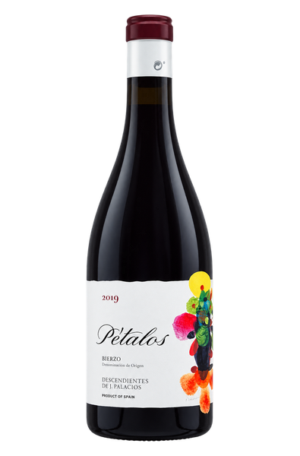
Descendientes de J. Palacios 2019 Pétalos del Bierzo
Spanish Red
$42.99
Red fruit, violet flowers and black-pepper spice accompany a fleshy, light and fresh profile. The finish is juicy and vibrant. Old Mencía vines grow on steep, rocky slate soils, and the vineyards span several Bierzo municipalities. The grapes are partially destemmed and crushed. Maceration lasts thirty days. Fermentation takes place in wooden vats and open stainless-steel tanks, while ageing lasts ten months in French oak.
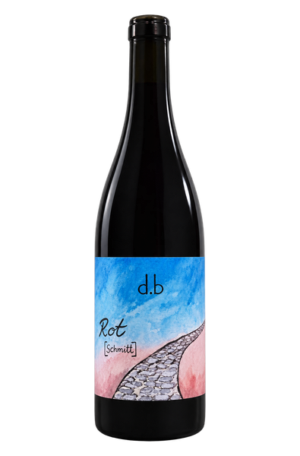
D.B. Schmitt 2017 Rot
German Red
$42.99
Merlot, Pinot Noir, Portugieser and Dornfelder are macerated together for six weeks. Ageing lasts one year on gross lees in a 4,000-litre Bavarian oak cask. The wine is neither fined nor filtered, and no sulphite is added. Limestone, sandstone, loess and clay are present in the vineyard soils. The estate has organic certification and holds Demeter biodynamic certification.
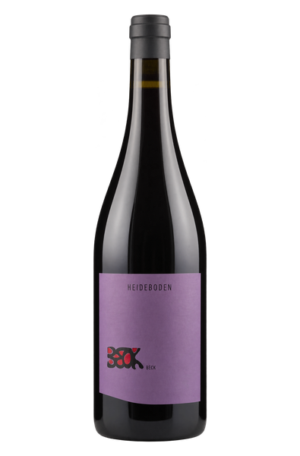
Judith Beck 2017 Heideboden
Austrian Red
$46.99
Cherry, cassis and spice appear with ripe tannins and a juicy character. The blend contains Blaufränkisch and Zweigelt. The grapes are destemmed and macerated for eighteen days, while fermentation starts spontaneously. The wine completes malolactic fermentation and spends twelve months in used barriques. Bottling is unfiltered. The vines grow on sand and clay with limestone, under organic and biodynamic farming.
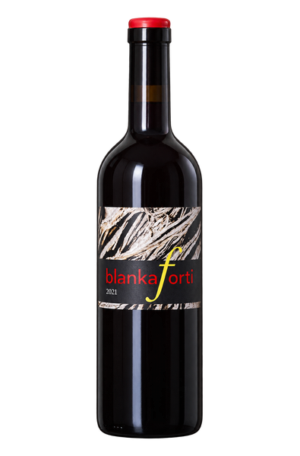
Jordi Llorens 2021 Blankaforti
Spanish Red
$42.99
Cherry, pomegranate and a touch of liquorice accompany ripe fruit. The palate is juicy and fresh, with supple tannins and a light spritz when first opened. Cabernet Sauvignon, Grenache and Syrah grow on limestone in Catalonia. The wine is made without fining or filtration and without added sulphur. It is a red wine from Conca de Barberà.
Domaine Zinck Crémant d’Alsace Brut Rosé NV
French Sparkling
$43.99
Wild red-fruit aromas meet freshness, a dry profile, silky texture and persistent mousse. Made entirely from Pinot Noir, the grapes are hand harvested from thirty-five-year-old vines on the loamy slopes of Eguisheim. Vinification and ageing take place in stainless steel, followed by fifteen months on fine lees. The wine is made by the traditional method and carries Ecocert and Demeter certification.
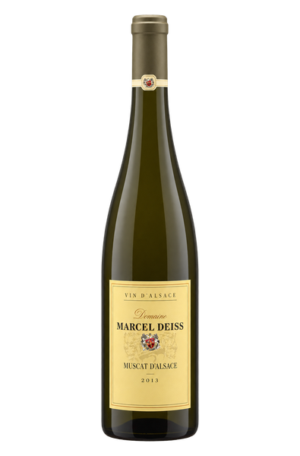
Domaine Marcel Deiss 2013 Muscat de Bergheim
French White
$44.99
Fresh lime, star anise and pineapple appear in a lively, crisp profile. The palate is balanced, with a rich, voluptuous mouthfeel and aromatic character. Made from Muscat grapes in Alsace, this white wine contains twelve percent alcohol. It can be served as an aperitif or alongside salmon, asparagus, veal in cream, pear tart or lemon-meringue tart.
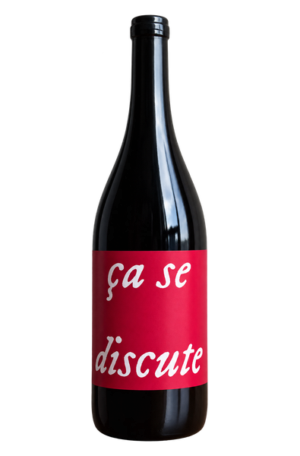
Laurent Saillard 2022 Ça Se Discute
French Red
$49.99
Fresh, fruity and juicy, with a light peppery thread that is fully integrated. Pineau d’Aunis from certified-organic, biodynamically farmed vines is used. The grapes undergo six days of whole-cluster maceration and mature in fibre tanks, with no sulphur added. The wine is classified as Vin de France, comes from the Loire Valley and has twelve percent alcohol.
Foradori 2024 Fontanasanta Manzoni Bianco
Italian White
$64.99
Made entirely from Incrocio Manzoni, this white wine is vinified with its skins in cement and rests for twelve months in acacia casks. Olive oil and fresh bread appear with mimosa, acacia honey and soft moss. The profile has both vigour and liveliness, while the wine carries eleven-and-a-half percent alcohol. Skin contact lasts about one week.
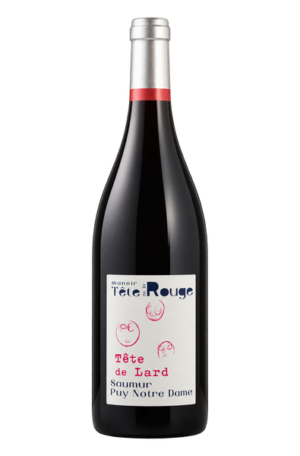
Manoir de la Tête Rouge 2019 Tête de Lard Saumur Puy-Notre-Dame
French Red
$46.99
Forest-floor, toasted and lightly animal notes accompany a silky, lively palate. The red wine is complex and rich, with present, granular tannins that remain free of astringency, a chalky texture and a long finish. Cabernet Franc grows in clay-limestone soils. Grapes are harvested by hand, and the cuvée is made under organic and biodynamic farming.
Baldovar 923 2023 Cañada París Merseguera
Spanish White
$45.99
Citrus and mineral notes accompany fresh acidity and a long finish. Merseguera comes from old bush vines planted between 900 and 1,200 metres on silica-rich sandstone and limestone marl. After selection, the grapes are destemmed, pressed gently and settled at low temperature. Spontaneous fermentation takes place in French oak and stainless steel, followed by nine months split among clay amphora, 500-litre French oak and stainless steel.
Marjan Simčič 2023 Ribolla Brda Classic
Slovenian White
$44.99
Bright pale straw with light-gold accents, this dry Ribolla carries poached pear, acacia and wild marjoram. Fine acidity accompanies light complexity and salinity. Fruit comes from Medana and Jordano vineyards at 200 to 250 metres on marl, slate and sandstone. The grapes are harvested by hand, and the wine spends six months on its yeasts in stainless steel followed by at least one month in bottle.
Comando G 2017 Mataborricos
Spanish Red
$44.99
Garnacha and Cariñena come from roughly five hectares of mountain vineyards on granite and sandy soils. The vines are farmed biodynamically, and the soil is worked by horse. Grapes are harvested by hand, macerated as whole bunches and fermented spontaneously with native yeast in open amphora. Maturation lasts twelve months in amphora. Fruit, balsamic and herbal notes accompany integrated tannins.
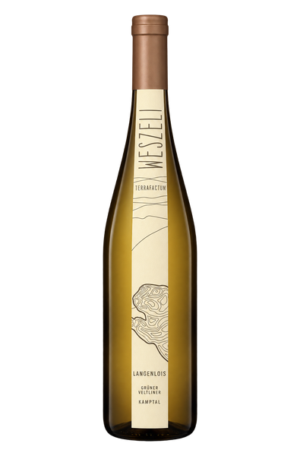
Weingut Weszeli 2023 Langenlois Grüner Veltliner Kamptal DAC
Austrian White
$49.99
White fruit, vegetal and spice notes accompany a velvety palate with integrated acidity and a clear, precise, fruity finish. The grapes come from sixty vineyards around Langenlois, all on loess. Thirty percent receives overnight skin contact with stems, while seventy percent is whole-cluster pressed for five hours. Fermentation is spontaneous with wild yeast, and maturation lasts five months on fine lees in stainless steel.
Catherine & Pierre Breton 2022 Bourgueil Trinch!
French Red
$49.99
Raspberry aromas meet a tender attack and a finish marked by grape-skin texture. Cabernet Franc comes from gravel soils and vines around thirty years old. The grapes are harvested by hand, gently destemmed and cold-macerated in stainless steel. Daily pumpovers are used, and maturation lasts ten months in concrete. The Cabernet Franc vineyard is certified biodynamic.
Orsi Vigneto San Vito 2018 Grotto Pignoletto
Italian White
$46.99
Deep straw yellow, with tropical fruit, citrus zest and white flowers, this white wine is fruity, slightly mineral and persistent. Made entirely from Pignoletto, it comes from biodynamically farmed vines at 200 metres on limestone and clay. The grapes are hand-harvested, fermented spontaneously in large Slavonian-oak barrels, aged nine months on the lees and given six months in bottle.
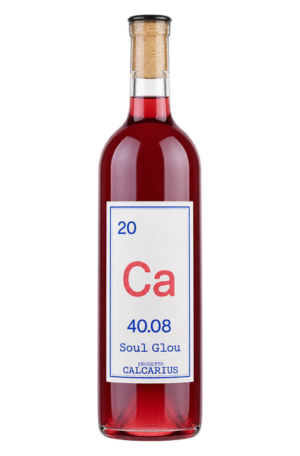
Calcarius 2019 Soul Glou Primitivo
Italian Red
$45.99
Pomegranate, blood orange and summer herbs accompany wild berries, strawberry and balsamic notes, with a lightly tannic, crunchy finish. The Primitivo is hand-harvested and left in whole bunches for carbonic fermentation in sealed stainless steel. After two days on skins, the fruit is basket-pressed. Maturation lasts six months in stainless steel before unfined and unfiltered bottling with a small sulphur addition.
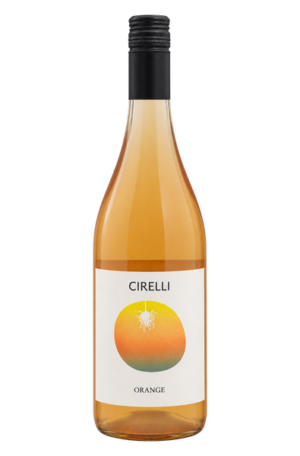
Cirelli Orange Abruzzo NV
Italian White
$46.99
Pale orange in colour, the wine offers nectarine marmalade, orange peel, neroli, white peach, raw almond and linseed. Crisp acidity, fine tannins and a refreshing citrus finish shape the palate. The Trebbiano Abruzzese comes from clay and limestone soils. The grapes are hand-harvested and destemmed, then spend about thirty days on their skins in stainless steel. The wine is bottled unfiltered after roughly four months on fine lees.
Johannes Zillinger 2023 Reflexion K* Grüner Veltliner
Austrian White
$46.99
Bright orchard fruit and stone fruit appear with green apple, light pepper, mild salinity and a touch of lactic richness. A light fizz is present, and the finish is savoury, mineral and long. Grüner Veltliner provides the full composition from three vineyards. One lot matures in an old wooden barrel, another in stainless steel, and the third is vinified in a one-thousand-litre amphora.
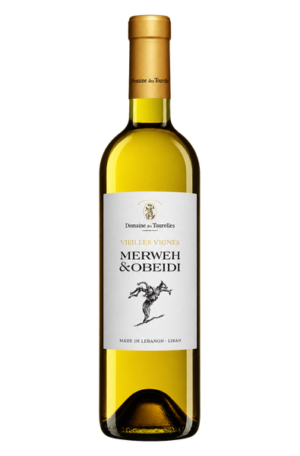
Domaine des Tourelles 2022 Vieilles Vignes Merweh & Obeidi
Lebanese White
$46.99
Pale gold in colour, the wine has aromas of white peach, chamomile and flint. Quince, pear and citrus peel appear with dried herbs, honey and almond. The finish is long and savoury, with nuttiness and mineral lift. Merweh and Obeidi are cold-fermented separately with wild yeasts. The components are blended and stored briefly in stainless steel. Alcohol is eleven percent.
Marchisio Family Organic Estate 2022 Mungalat Langhe Nebbiolo
Italian Red
$46.99
Intense ruby in colour, this Nebbiolo shows wild cherry, juicy plum, mature fruit, flowers, resinous herbs and mineral notes. The palate has bright acidity, balanced tannins and persistent fruit. Vines are fifteen to twenty-five years old and grow in sandy, calcareous marl. Production includes a short maceration, native fermentation and up to one year of maturation in large oak barrels. Alcohol is fourteen percent.
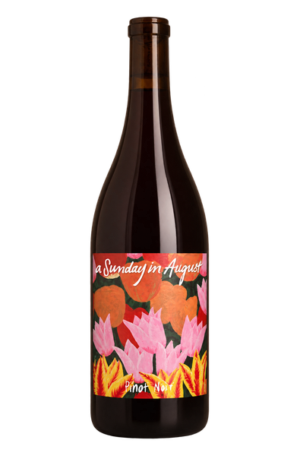
A Sunday in August 2024 Johan Vineyard Pinot Noir
Canadian Red
$47.99
Deep red cherry and spice define the profile, with a velvety texture and a very long finish. The Pinot Noir comes from Dijon clones 114, 115 and 667 at Johan Vineyard. The grapes are certified biodynamic and regeneratively farmed. Forty percent is whole cluster and sixty percent is destemmed. Élevage takes place in neutral 500-litre puncheons and 225-litre barriques.
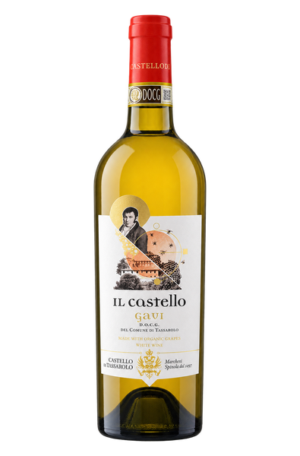
Castello di Tassarolo 2023 Il Castello Gavi
Italian White
$47.99
This dry white is made entirely from Cortese grown in Gavi, Piedmont. It contains thirteen percent alcohol and matures for five months in stainless steel. Organic certification comes from BIOS, while AGRIBIO provides biodynamic certification; the wine is also sustainable and vegan. A natural cork closes the glass bottle, and residual sugar is below five grams per litre.
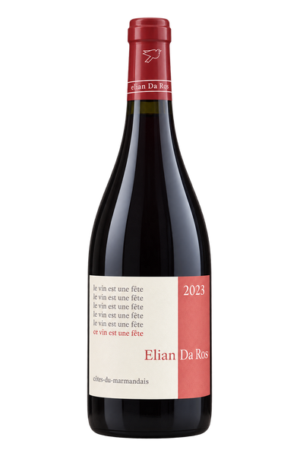
Elian da Ros 2023 Le Vin est Une Fête Côtes du Marmandais
French Red
$47.99
Abouriou, Cabernet Franc and Merlot form this red blend. Merlot and Cabernet Franc are destemmed and fermented in vats, while Abouriou is vinified in whole clusters with semi-carbonic maceration. Maturation lasts about ten to twelve months in foudres, older barrels and concrete before slight filtration. Red and dark fruit appear with spice, lively structure and an alcohol level of twelve-and-a-half percent.
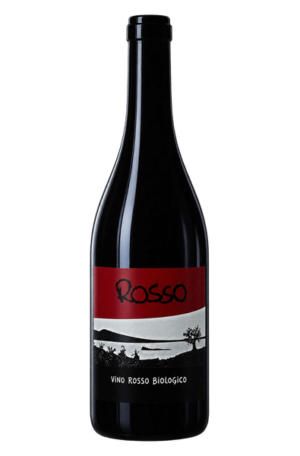
Le Coste 2022 Rosso Lazio
Italian Red
$68.99
Mostly Grechetto Rosso, a local Sangiovese clone, is joined by small amounts of Ciliegiolo, Colorino, Canaiolo and Vaiano. The grapes come from biodynamically cultivated volcanic soils in Lazio. Hand harvesting is followed by destemming, ten days on the skins and fermentation with indigenous yeasts in barrels. The wine then ages for one year in old Slavonian oak before bottling without filtration, fining or added sulphites.
Progetto Calcarius Nù Litr Bianco Puglia 1 L
Italian White
$48.99
Bombino Bianco from younger vines in Gargano National Park produces a straw-coloured dry white. Lemon, pear and orange peel appear with fresh, savoury citrus character, an agile body and a precise finish. The vineyards lie on white limestone rock in the park and are farmed with biodynamic methods. This organic, natural wine contains eleven-and-a-half percent alcohol and comes in a one-litre bottle.
Claus Preisinger 2024 Puszta Blanca!
Austrian White
$48.99
Grüner Veltliner, Pinot Blanc and Muscat Ottonel form a 60/35/5 blend. The fruit comes from biodynamic vineyards in Burgenland on limestone and gravel soils. Fermentation begins spontaneously in stainless steel with seven days of skin contact, followed by seven months on the lees. Preserved lemon, honeysuckle, ginger, pomelo, yellow grapefruit and pineapple accompany a mineral, saline structure.
Ampeleia 2018 Kepos Costa Toscana Rosso
Italian Red
$49.99
Bright ruby in colour, this red wine brings fresh cherry, plum, raspberry and floral notes. Tension, salinity, tannins and fruit appear on the palate. Fruit comes from three vineyard sites at different elevations, with soils ranging from stony to volcanic. The wine is organic, and its grapes are grown biodynamically under Demeter certification. It contains thirteen percent alcohol.
Les Cortis 2020 Xylofaune
French Red
$49.99
Made entirely from Mondeuse, this red wine undergoes carbonic maceration as whole clusters and ferments with indigenous yeasts. Ageing lasts twelve months in tank and 500-litre demi-muids. The six-hectare estate lies near Belley, west of the Massif des Bauges in Savoie. Its clay-limestone parcels are cultivated according to biodynamic practices. The finished wine contains 10.5 percent alcohol.
Domaine Ostertag 2023 Vieilles Vignes de Sylvaner
French White
$48.99
Red apple and ginger spice meet a dry, saline profile with pear, white flowers and chalk. The vines are more than fifty-five years old and are farmed biodynamically. After harvest, the wine spends twelve months on its lees in stainless steel. It carries both organic and biodynamic certification, contains 12.5 percent alcohol, and fresh mineral character is also present.
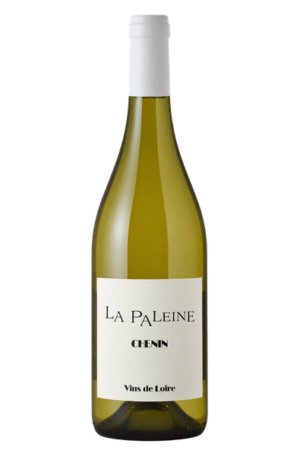
Domaine La Paleine 2024 Saumur Blanc
French White
$51.99
Apple, pear, white flowers and honey appear in a dry, medium-bodied Chenin with present acidity and a delicate texture. The wine has no oak character and contains less than 1.2 grams of residual sugar per litre. It carries Organic and Biodynamic classifications. The grapes are hand harvested, and fermentation uses indigenous yeasts in stainless steel; maturation lasts twelve months in stainless steel.