











Unsubscribe at any time.

Biodynamic
Biodynamic
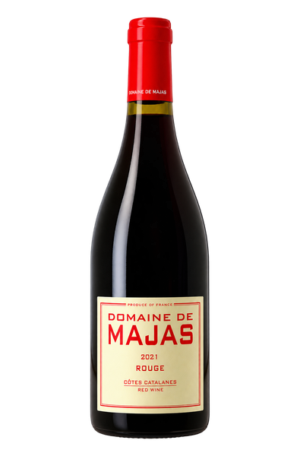
Domaine de Majas 2024 Côtes Catalanes Rouge
French Red
$46.99
Bright blackberry and juicy cherry appear in the profile, with silky tannins and a fresh finish. The wine blends Carignan and Grenache from biodynamically farmed vineyards, including older vines reaching one hundred and twenty years. The estate’s production was already Ecocert-certified organic by this vintage. The wine comes from Côtes Catalanes in Languedoc-Roussillon and contains thirteen percent alcohol.
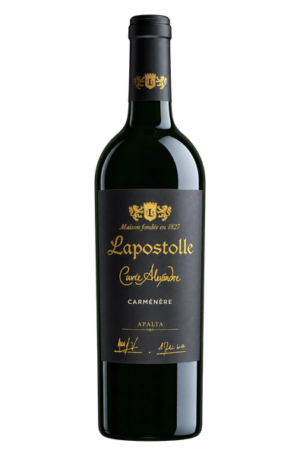
Lapostolle 2023 Cuvée Alexandre Carménère
Chilean Red
$52.99
Blackberry, cassis and lemony oak meet a tannic palate and black-fruit flavours. The blend contains eighty-five percent Carménère and fifteen percent Syrah, all from the Apalta vineyard. Fruit was harvested by hand. Wild yeasts carried fermentation in stainless-steel tanks and wooden vats, with four to five weeks on skins. Maturation lasted thirteen months in French oak, including twenty-nine percent new barrels.
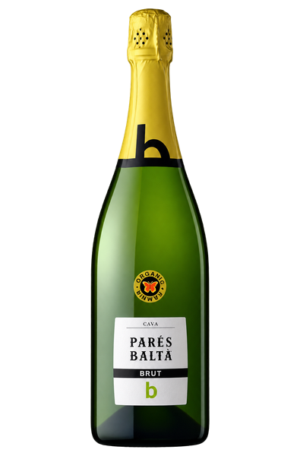
Parés Baltà Cava Brut B Organic NV
Spanish Sparkling
$33.99
Pear, apple and toast appear in a pale-yellow sparkling wine with a fresh, lively fruit profile. The texture is light and soft, and the finish is pleasant. Macabeo, Xarel·lo and Parellada form the blend. The wine is certified organic, biodynamic and vegan-friendly. Its fruit comes from high-altitude vineyards in Pontons, and the cuvée undergoes a second fermentation in bottle.
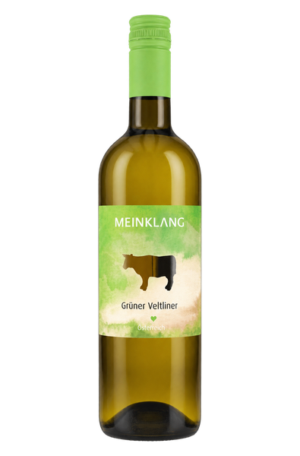
Meinklang 2024 Grüner Veltliner
Austrian White
$43.99
Granny Smith apple, lime, peach and white pepper accompany a dry, light profile with lively acidity. Grüner Veltliner grows on sandy loam. The grapes are gently pressed into stainless steel, where fermentation and a short period of lees ageing take place. The wine is loosely filtered and bottled with ninety parts per million total sulphur. Alcohol is eleven-and-a-half percent.
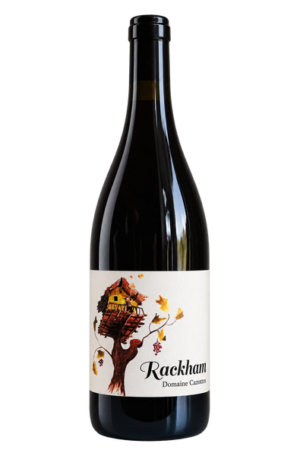
Laurent Cazottes 2021 Rackham
French Red
$34.99
Wild berries and cherry meet a fresh, fine profile. Old-vine Jurançon Noir, also called Folle Noire, grows on limestone and clay. The grapes were harvested by hand, then macerated for twenty-four hours in concrete. Fermentation and élevage took place in concrete. Free-run and press juices were kept separate and blended before bottling, with very little sulphur dioxide added.
Mas des Caprices 2018 Le Blanc de l’Oeuf Corbières Blanc
French White
$34.99
Fresh white fruit, chopped herbs and a dry saline finish define a rounded yet fresh profile. Carignan Blanc, Macabeu and Grenache Blanc make up the blend. The wine is raised in an egg-shaped cement vessel, contributing breadth and suppleness. The biodynamically farmed estate works sixteen hectares across the limestone plateau of Leucate and the schist foothills of Corbières.
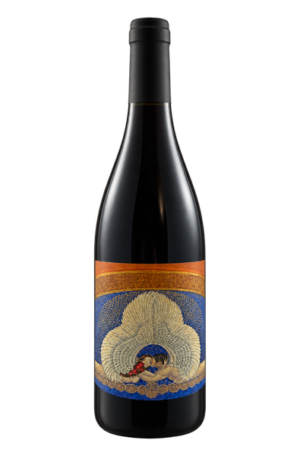
Domaine de l’Ecu 2019 Nobis Syrah
French Red
$41.99
Juicy fruit and pepper spice define a supple red profile. The Syrah comes from organically and biodynamically farmed Southern Rhône plots planted approximately twenty-five to thirty years ago. The grapes were harvested by hand and destemmed. Fermentation lasted ten days with indigenous yeasts, followed by pneumatic pressing and ten months in stainless steel. The wine was bottled without filtration or clarification at fourteen and a half percent alcohol.
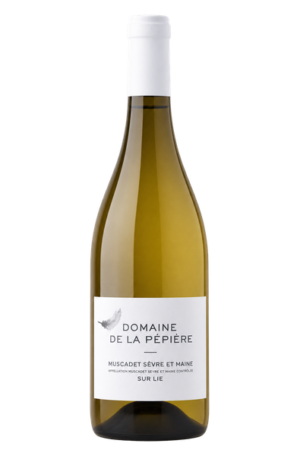
Domaine de la Pépière 2024 Muscadet Sèvre-et-Maine Sur Lie
French White
$42.99
White flowers, citrus and mineral notes meet apple and gentle yeasty nuances. The palate has fresh acidity, texture and length. Made from Melon de Bourgogne, the dry white is bottled at twelve and a half percent alcohol. It comes from the Loire Valley and carries biodynamic production status. The clean, refreshing style can accompany oysters and other shellfish.
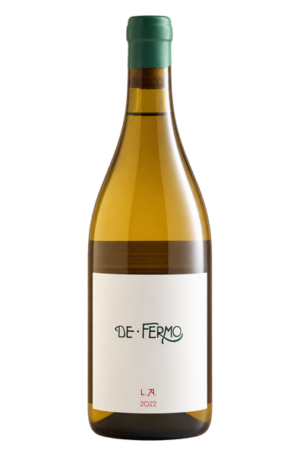
De Fermo 2022 Concrete Bianco
Italian White
$36.99
Pecorino and Chardonnay form the blend. Fermentation and ageing take place in concrete, using grapes from vineyards around 300 metres. Nettle, daisy, almond blossom and apple appear in a pale-yellow wine with a savoury, slender palate and stony character. Biodynamic farming excludes systemic chemical treatments, while the cellar uses no selected yeast, fining, filtration or synthetic processing aids.
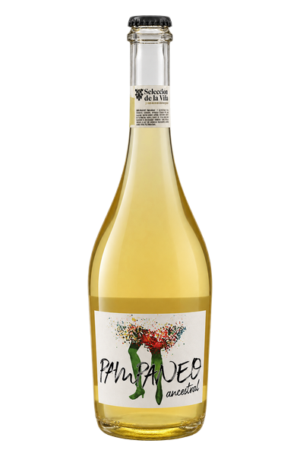
Esencia Rural Pampaneo Ancestral
Spanish Sparkling
$42.99
Pineapple, pear and sweetgrass join herbal notes in this fresh, fruity sparkling wine. Crisp and light, it has fine, playful bubbles. Airén from organically and biodynamically farmed vineyards in La Mancha finishes fermentation in the bottle using the ancestral method.
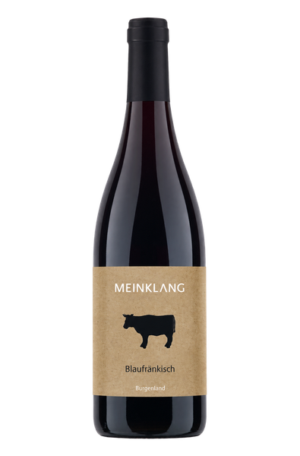
Meinklang 2019 Blaufränkisch
Austrian Red
$39.99
Blueberry, blackcurrant, leather and tobacco meet juicy fruit, a lightly taut texture and a gently bitter edge. Violets and plums add floral and dark-fruit detail. Blaufränkisch spends about nine days on the skins with manual punch-downs, then ages on fine lees in large used barrels and stainless steel. The dry red is biodynamically farmed in Burgenland and carries 12 percent alcohol.
Weninger 2024 Franz Plays with Szürke, Fehér & Kék
Hungarian Wine
$39.99
Pink grapefruit, mirabelle plum and sour cherry join light herbal notes in a fresh profile with a faint fizz, between rosé and orange wine. Pinot Gris, Pinot Blanc and Pinot Noir are used together. Fermentation lasts ten days on the skins, followed by seven months in 500-litre wooden barrels and natural malolactic fermentation. The dry wine comes from Sopron and is biodynamically farmed.
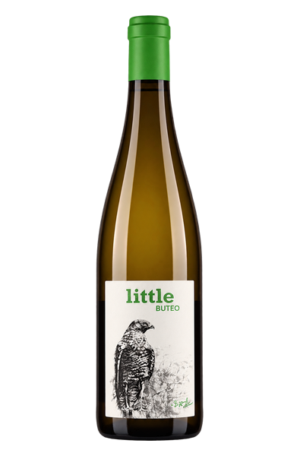
Michael Gindl 2019 Little Buteo Grüner Veltliner
Austrian White
$44.99
Citrus, grass and minerality accompany texture and a tightly woven structure. Grüner Veltliner comes from loam, loess and sandstone soils. Half the fruit is directly pressed, while the remainder receives four to eight hours of skin contact. Spontaneous fermentation and six months of maturation take place in stainless steel before unfined, unfiltered bottling without added sulphur.
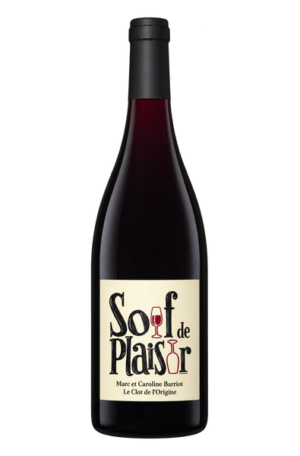
Clot de l’Origine 2019 Soif de Plaisir
French Red
$43.99
Floral notes and minerality characterize this dry red. Carignan comes from Estagel, while Syrah comes from Caudiès-de-Fenouillèdes, with schist and schist-marl soils. The wine can be served cool with grilled dishes, salads or pizza, or at cellar temperature with beef and stew. It is also suited to the aperitif. The producer suggests drinking it within five to eight years.
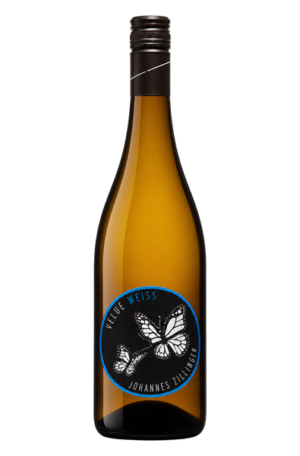
Johannes Zillinger 2020 Velue Weiss
Austrian White
$42.99
Jasmine, rose, yellow apple, kiwi and herbal notes share the aromatic profile. The palate is juicy, with ripe fruit, fine tannins and vivid acidity, followed by a salty finish. Half Grüner Veltliner is joined by equal quarter portions of Riesling and Gelber Muskateller. Part of the fruit is whole-bunch pressed, while other lots are destemmed or foot-trodden before nine months on lees.
Parés Baltà 2023 Materia Prima Orange Penedès
Spanish White
$39.99
Xarel-lo is fermented with about ten percent Gewürztraminer skins. Wild-yeast fermentation takes place in stainless steel, with twice-daily punch-downs and one month of skin contact. The wine receives very little filtration and may show haze or sediment. Mandarin, pomelo, pear, white flowers, spice and pepper accompany a medium body, a sleek mid-palate and a lively finish. The release is classified Organic, Biodynamic, Vegan and Natural.
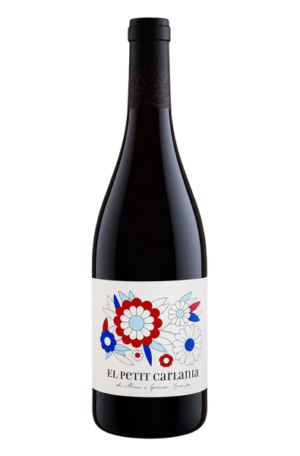
Carlania Celler 2018 El Petit Carlania
Spanish Red
$41.99
This light, fluid Trepat red comes from Conca de Barbera and organically and biodynamically farmed fruit. The wine is unsulphured and presented as natural. Pomegranate colour accompanies floral and fruity aromas, spice and blueberry. The palate is fresh, fruity and spicy, with a dry finish. The vines grow above four hundred metres and are more than fifty years old.
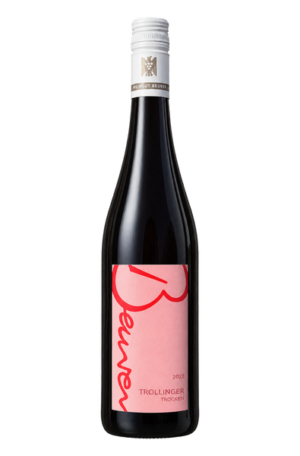
Weingut Beurer 2022 Trollinger Trocken
German Red
$39.99
Trollinger grows on Bunter Mergel and Kieselsandstein soils below the Pulvermacher vineyard. The old vines cover 1.2 hectares on a steep, south-facing slope. Most clusters are destemmed and given a cold maceration. After several days, some juice is bled for rosé and the remainder is warmed for fermentation. The wine receives a short élevage before bottling with minimal sulphur. The finished red is lighter-bodied and unoaked.
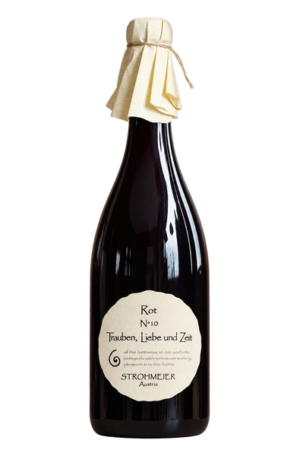
Franz Strohmeier 2019 TLZ Rot No. 10
Austrian Red
$39.99
Ripe small red fruit and blueberry meet smoky character. The palate is smooth and delicate, with fine tannins. Fruit comes from twenty-eight-year-old vines rooted in gneiss and rocky soils. Fermentation takes place in stainless steel, with five weeks of skin contact before pressing. The wine matures for twenty months in wooden barrels and is bottled without added sulphur.
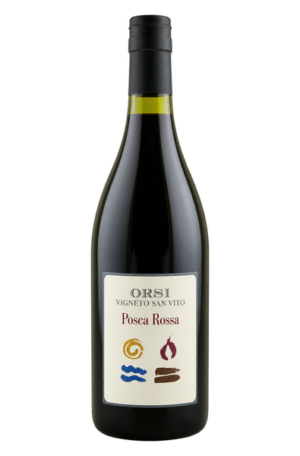
Orsi Vigneto San Vito Posca Rossa NV
Italian Red
$39.99
Drawn from a long-running perpetual vat, the red version is topped up almost monthly with younger wine, bringing several harvests together. Fermentation is spontaneous, and the wine is neither clarified nor filtered. The vineyards are cultivated biodynamically. The cuvée is continually evolving and is intended as a daily wine. The bottle uses a glass closure with a separate sealing ring.
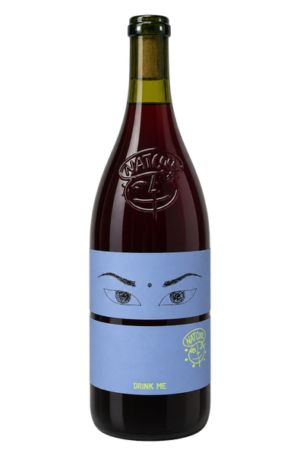
Niepoort 2023 Nat’Cool Bairrada Tinto 1 L
Portuguese Red
$43.99
Made entirely from Baga, the wine brings together red cherry, strawberry, savoury herbs and mineral notes in a fresh, bright profile. The grapes grow on limestone soils under organic and biodynamic farming. They are destemmed, fermented carbonically and matured for ten months in stainless steel. Minimal sulfur is added at bottling, and the wine carries eleven percent alcohol with a silky texture and slight spritz.
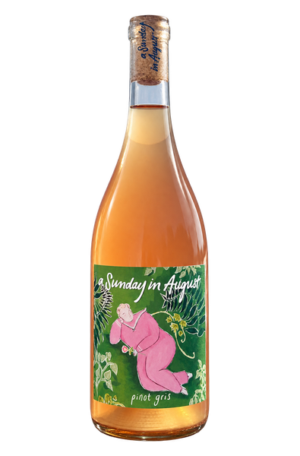
A Sunday in August 2024 Pinot Gris
Canadian White
$41.99
Dark pink in colour, the wine is dense and concentrated, with watermelon and candied-strawberry character. Pinot Gris comes from Johan Vineyard in Oregon’s Willamette Valley, where the fruit is certified biodynamic and regeneratively farmed. The grapes are pressed directly, fermented naturally and raised in a neutral oak puncheon. The wine is bottled unfined and unfiltered with twenty-five parts per million of sulfur.
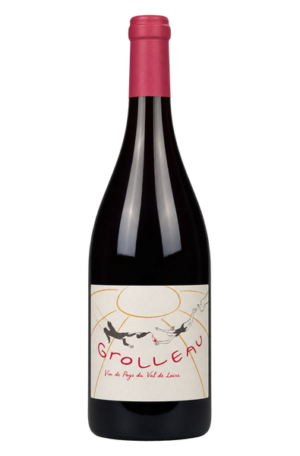
Catherine & Pierre Breton 2023 Grolleau
French Red
$49.99
Made from Grolleau, this red comes from the Loire and carries 10.4 percent alcohol. The estate’s vineyards are certified biodynamic and receive organic care without chemical treatments. Harvest is by hand. Fermentation uses indigenous yeasts, sulphur is kept to a minimum, and the wines are bottled without filtration. The release is classified as Vin de Pays du Val de Loire.
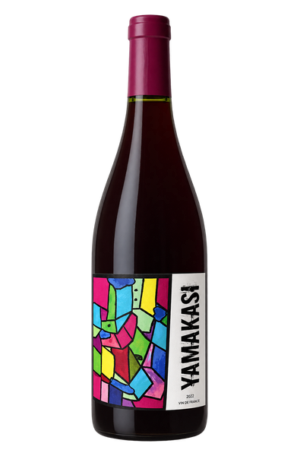
Domaine Duseigneur 2022 Yamakasi Rouge
French Red
$41.99
Red fruit and herbs appear in a fresh, lively profile with supple tannins. Grenache, Syrah and Cinsault form the blend. Indigenous yeasts drive natural fermentation, and no sulphites are added. The wine is certified organic and made under France’s Vin Méthode Nature framework, with minimal cellar intervention. The finished wine is dry and carries thirteen and a half percent alcohol.
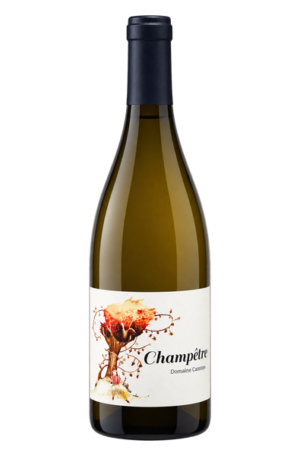
Domaine Cazottes 2021 Champêtre Blanc
French White
$41.99
Fresh apple and pear accompany a lively profile with slight roundness and no residual sugar. Mauzac Blanc comes from organic vines on clay-limestone slopes near Cahuzac-sur-Vère. Whole clusters are pressed into tank for a cool overnight settling, then racked to tank for fermentation and maturation. The wine is lightly filtered before bottling with a judicious addition of sulphur dioxide. The vineyards receive biodynamic treatments.
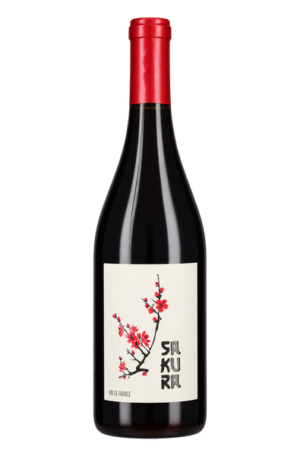
Domaine Duseigneur 2023 Sakura
French Red
$42.99
Deep purple colour introduces black and red fruit, cherry, pepper, sweet spice, floral and herbal notes. The palate is round, velvety and fruit-forward, with a fresh, juicy character. A lightly bitter finish carries vegetal and dark-fruit nuances. This Vin de France red was produced as a low-sulphur natural wine and carries organic and biodynamic classifications.
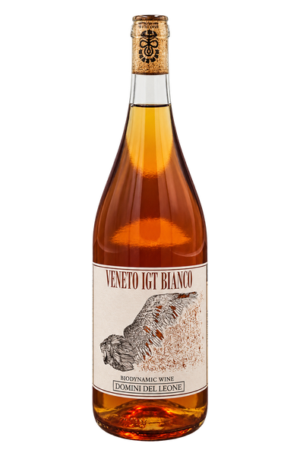
Fidora Domini del Leone Orange NV
Italian White
$43.99
Pinot Grigio and Chardonnay are co-fermented from biodynamically farmed Veneto fruit grown near the coast. Caranto soil combines clay with hard calcareous deposits and rocky debris carried by the Piave River. Ripe pear, lychee, creamed wildflower honey and an umeboshi-like sour sensation appear in a creamy, textured profile. The skin-contact wine spends five months in concrete and is bottled without filtration.
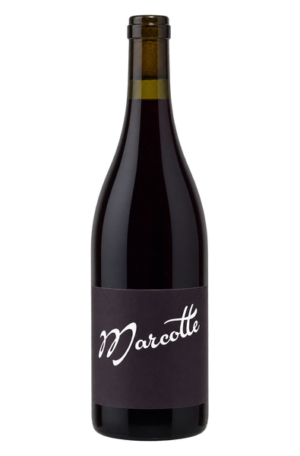
Domaine Cazottes 2022 Marcotte Rouge
French Red
$42.99
Braucol, Duras and Syrah are destemmed and fermented separately in stainless steel. Each variety macerates for five days, with daily pump-overs before pressing into stainless steel. Indigenous yeasts drive a long, slow fermentation at 17°C. The profile includes fruit, spice and pepper. The vineyards are farmed organically with biodynamic practices, and the wine is bottled without filtration.
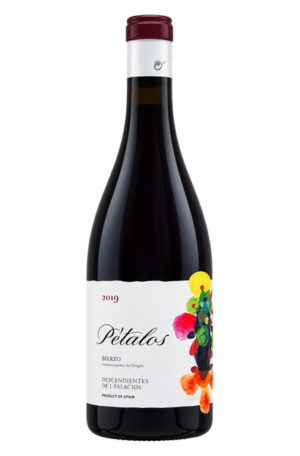
Descendientes de J. Palacios 2019 Pétalos del Bierzo
Spanish Red
$42.99
Red fruit, violet flowers and black-pepper spice accompany a fleshy, light and fresh profile. The finish is juicy and vibrant. Old Mencía vines grow on steep, rocky slate soils, and the vineyards span several Bierzo municipalities. The grapes are partially destemmed and crushed. Maceration lasts thirty days. Fermentation takes place in wooden vats and open stainless-steel tanks, while ageing lasts ten months in French oak.
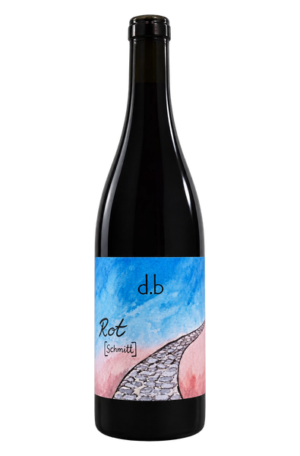
D.B. Schmitt 2017 Rot
German Red
$42.99
Merlot, Pinot Noir, Portugieser and Dornfelder are macerated together for six weeks. Ageing lasts one year on gross lees in a 4,000-litre Bavarian oak cask. The wine is neither fined nor filtered, and no sulphite is added. Limestone, sandstone, loess and clay are present in the vineyard soils. The estate has organic certification and holds Demeter biodynamic certification.
All listed prices are before tax unless stated otherwise. Vintage availability may vary.