








France
France
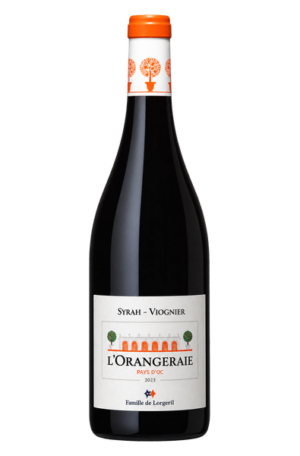
Lorgeril L’Orangeraie 2023 Syrah-Viognier Pays d’Oc
French Red
$26.99
Deep colour shows cherry highlights. Spice, pepper and black cherry lead the aromas, while the palate is round, with good volume and a flavourful finish. The blend combines eighty-four percent Syrah with sixteen percent Viognier from clay-limestone soils under ocean influence. Fermentation is regulated near twenty-four degrees Celsius, daily tastings determine maceration length, and maturation takes place in stainless steel.
Gérard Bertrand 2024 La Grande Bleue IGP Méditerranée
French White
$27.99
White pear and peach meet lemon, grapefruit, white flowers and hawthorn. A subtle exotic note is also present. The palate is lively, refreshing, mineral and rounded, with fruit followed by a long, saline finish. Rolle, Grenache Blanc, Viognier, Chardonnay and Sauvignon Blanc are vinified separately at low temperature in stainless steel, with no barrel ageing. The wine is organically produced.
La Lisse 2025 Soie d’Ivoire Chenin Blanc
French White
$28.99
Round and supple, with rich toasted notes from oak ageing and a gentle citrus character. The palate is densely fruity, led by peach flambée. Chenin Blanc grows on cool clay-and-limestone slopes in the Pyrenean foothills, where later picking brings full ripeness while retaining crispness. Partial vinification and maturation use new and seasoned French oak, and the wine carries HVE3 sustainable certification.
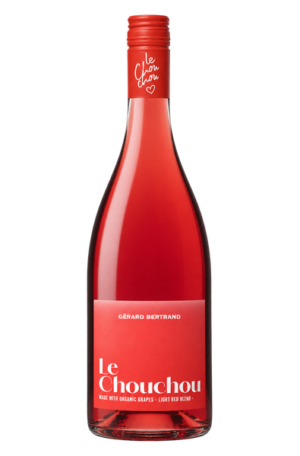
Gérard Bertrand 2023 Le Chouchou
French Red
$27.99
Ruby colour and ripe red fruit meet floral notes, strawberry, cherry and a touch of spice. The texture is silky, with soft, integrated tannins. It is a light red wine. Grapes are harvested early in the morning. Maceration lasts three to five days, fermentation finishes at twenty degrees Celsius, and ageing takes place for three months in tank.
Villa Aix 2025 Coteaux d’Aix-en-Provence Rosé
French Rosé
$27.99
White peach and floral notes accompany a pale pink colour. The palate is fresh and juicy, with lively acidity, a silky texture and a fruity finish. The blend contains sixty percent Grenache, thirty-five percent Cinsault and five percent Syrah. Fruit is harvested in the early morning, with brief skin contact, gentle pressing and fermentation in stainless steel.
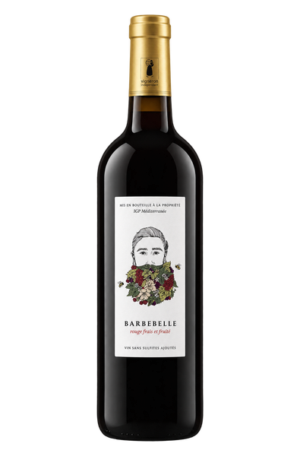
Château Barbebelle 2022 Rouge Fleuri Sans Sulfites Ajoutés
French Red
$27.99
Raspberry, forest fruit and blackberry accompany an intense purple colour and a round palate. The red wine is made entirely from Caladoc without added sulphites. Caladoc is a crossing of Grenache and Malbec. Production uses mechanical night harvesting, bioprotection and a long maceration. Cellar work includes manual punchdowns and pumpovers, and maturation takes place in stainless steel tanks. Alcohol is fourteen percent.
Domaine Zinck 2023 Pinot Blanc Portrait
French White
$31.99
Green apple, pear and white flowers form a dry, fresh profile. The palate is supple and balanced, with a light body and a clean finish. Fermentation takes place in stainless steel, and the grapes come from plain parcels and are harvested by hand. The wine carries organic and biodynamic classifications. This Pinot Blanc contains 12.5 percent alcohol.
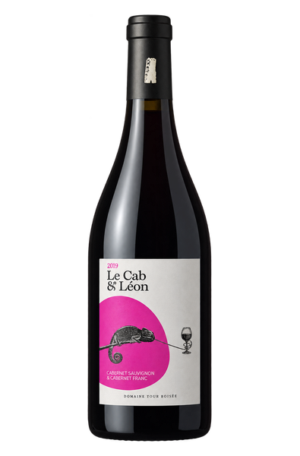
Domaine La Tour Boisée 2019 Cab et Léon
French Red
$28.99
Ripe black fruit, fresh plum, black cherry and blackberry appear alongside a dried-hay note. The wine has a fruity, crunchy attack, followed by a supple, ample palate and tannins. Cabernet Franc accounts for seventy percent of the blend, with Cabernet Sauvignon making up the remainder. Grapes are destemmed without crushing, fermented separately under cap, and matured for twelve months in tank.
Château d’Astros 2022 La Belle Vie Rosé
French Rosé
$28.99
Peach, melon and citrus form a fresh profile with a rounded palate. Redcurrant and citrus appear in a silky finish. The rosé is made from Grenache, Cinsault and Syrah grown in Provence. Grapes are harvested at night, and cellar work limits added inputs and sulphites. The wine carries organic status, is classified under Côtes de Provence and contains 13 percent alcohol.
DIVIN 0.0 Sparkling Sauvignon Blanc
French Non-Alcoholic Wine
$28.99
Delicate bubbles accompany white peach and tropical fruit. The palate is balanced, with lively freshness. Sauvignon Blanc comes from the Loire, and fermentation takes place in stainless steel. Alcohol is removed under vacuum at low temperature before the wine is carbonated. The finished sparkling wine is dry, contains zero percent alcohol and is classified as vegan.
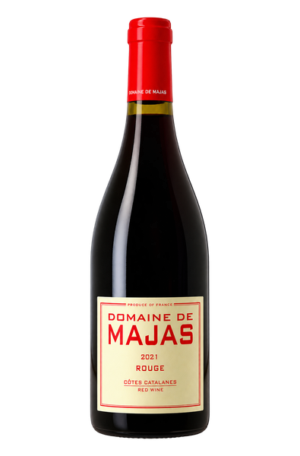
Domaine de Majas 2021 Côtes Catalanes Rouge
French Red
$41.99
Bright blackberry and juicy cherry appear in the profile, with silky tannins and a fresh finish. The wine blends Carignan and Grenache from biodynamically farmed vineyards, including older vines reaching one hundred and twenty years. The estate’s production was already Ecocert-certified organic by this vintage. The wine comes from Côtes Catalanes in Languedoc-Roussillon and contains thirteen percent alcohol.
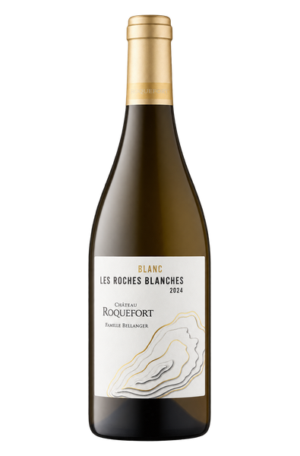
Château Roquefort 2024 Les Roches Blanches Sauvignon Blanc
French White
$29.99
Elderflower, lemon balm, jasmine and white peach appear with a fresh, intense profile and typical Sauvignon Blanc aromas. Vines average twenty years old and grow organically on clay-limestone soils containing fossilised oyster beds. Winemaking includes protection of the harvested fruit from oxidation, skin maceration and low-temperature fermentation. Ageing takes place in temperature-controlled stainless-steel vats. The wine contains twelve and a half percent alcohol.
Au Coeur des Terroirs 2022 Sauvignon Blanc
French White
$31.99
A luminous lime-yellow colour accompanies ripe citrus, passion fruit and yellow flowers. The palate is juicy and flavourful, with lively acidity and a balanced expression of fruit. Sauvignon Blanc grows on clay-limestone soils in the Loire Valley. Fermentation takes place in stainless steel at eighteen degrees Celsius. The wine receives lees contact and six months of stainless-steel ageing. The dry profile contains about eleven and a half percent alcohol.
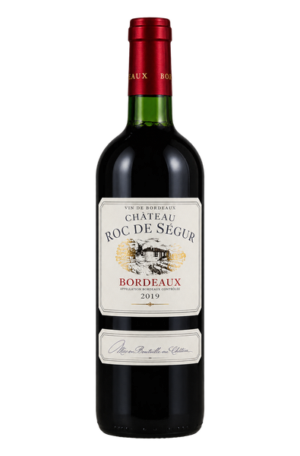
Château Roc de Ségur 2019 Bordeaux
French Red
$29.99
Raspberry and other red-fruit notes appear on a full, structured palate with silky, integrated tannins and a long finish. The blend contains seventy percent Merlot, twenty-seven percent Cabernet Sauvignon and three percent Cabernet Franc. Vines are more than thirty years old. Vinification takes place in stainless steel, and maturation lasts ten months in stainless steel. The wine contains thirteen and a half percent alcohol.
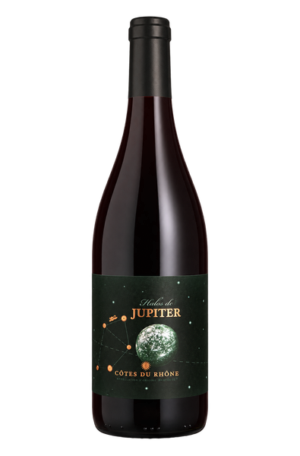
Les Halos de Jupiter 2024 Côtes du Rhône
French Red
$29.99
The profile includes red and black fruit, violet, pepper, stony minerality, medium body, freshness and length. The blend contains seventy percent Grenache, twenty percent Mourvèdre and ten percent Syrah. Grapes grow on limestone and galet soils, are fully destemmed and mature in concrete vats. The wine comes from Côtes du Rhône in France’s Rhône Valley and contains fifteen percent alcohol.
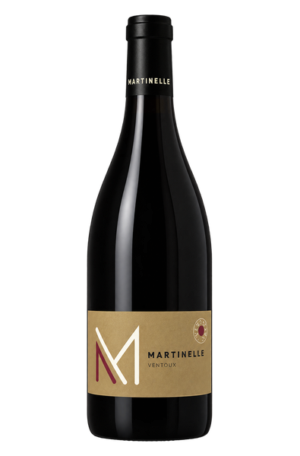
Domaine Martinelle 2022 Dentelles Ventoux
French Red
$41.99
Ripe black and red fruit appears with garrigue and sweet spice. The style is lighter and refreshing, with acidity. The blend contains seventy percent Mourvèdre, twenty percent Grenache and ten percent Syrah from organically farmed, southeast-facing terraces on clay-limestone soils. Grapes are harvested by hand and the wine matures in concrete vats. The vineyards sit at higher altitude behind the Dentelles de Montmirail.
Christophe Coquard 2017 Les Coeurs de l’Amour Saint-Amour
French Red
$29.99
Fresh cherry and raspberry sit with peony, rose and light spice. Kirsch and reseda are also present in the red-fruit profile. Made from Gamay in Saint-Amour, the wine is ruby red and contains thirteen percent alcohol. The appellation lies in Beaujolais. Serve it lightly chilled, around fourteen to sixteen degrees Celsius, with poultry, charcuterie or composed salads.
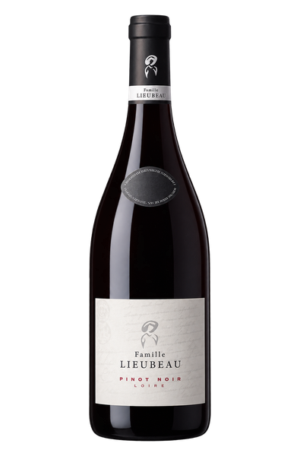
Famille Lieubeau 2023 Pinot Noir
French Red
$30.99
Blackcurrant, raspberry, violet, ripe red fruit and vanilla sit in a fresh profile with a long finish. The Pinot Noir grows on schist in the Loire and carries twelve percent alcohol. Vinification includes two weeks of maceration in temperature-controlled stainless steel with regular cap work. A portion matures in oak, while the balance remains in tank before bottling.
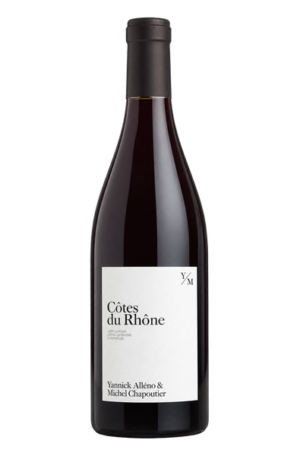
Yannick Alléno & Michel Chapoutier 2016 Côtes du Rhône
French Red
$30.99
Dark berries, plum, herbs, sweet spice, garrigue and liquorice sit in a balanced profile with tannic finesse and length. The blend contains sixty-five percent Syrah and thirty-five percent Grenache, with fourteen-and-a-half percent alcohol. Pebbly soils lie over sand and marl, and the grapes are harvested by hand. Maturation takes place in concrete tanks for twelve months.
Dolin Rouge Vermouth de Chambéry
French Fortified
$33.99
Bright copper colour accompanies stewed fruit, prune, walnut and herbal notes. Sichuan pepper, almond, citrus, pear and cinnamon sit with gingerbread, tobacco, oregano and hyssop above a subtle bitter base. The recipe uses thirty to forty spices and botanicals and carries sixteen percent alcohol. Serve it over ice as an aperitif or use it in a Negroni or Manhattan.
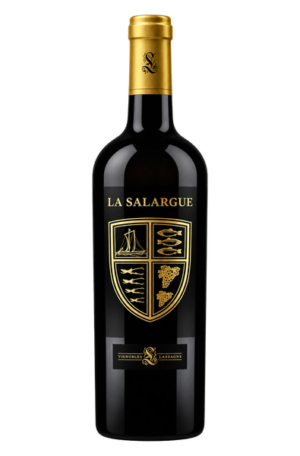
Château La Salargue 2023 Bordeaux Supérieur
French Red
$33.99
Deep ruby colour accompanies very ripe fruit. The palate is fleshy, structured and balanced. The vines grow on clay-silt soils over gravel on the left bank of the Dordogne at Moulon. The cuvée comes from a one-hectare parcel within a sixty-five-hectare property, with vines averaging thirty-five years. Maturation takes place for twelve months in concrete tanks.
Le Sourire de Cyrano 2024 Côtes de Bergerac Moelleux
French Dessert
$31.99
Clear, golden and bright in colour, this sweet white shows orchard fruit and vine peach. The palate balances peach sweetness and roundness with the freshness and liveliness of citrus, followed by lychee on the finish. The wine is light and fruity. It belongs to a four-colour range that also includes red, rosé and dry white wines.
Gérard Bertrand 2022 Grand Terroir Tautavel
French Red
$36.99
Grenache makes up seventy-five percent of the blend, with fifteen percent Syrah and ten percent Carignan. One third ages in tank; two thirds mature in barrels, including thirty-three percent new oak. Rose petal, liquorice and potpourri notes sit with black cherry. The palate is medium to full-bodied and open-knit, with a light dusting of tannins on the finish.
Villa Symposia 2015 L’Équilibre Languedoc
French Red
$31.99
Blackcurrant and blueberry fruit sit with liquorice, dried herbs and a stony mineral character. The profile also includes dense tannins, red and black fruit and a long finish. This red comes from the Languedoc appellation and carries 12.5 percent alcohol. The blend combines Syrah, Carignan and Grenache. The estate identifies L’Équilibre among its named cuvées.
Catherine & Pierre Breton 2019 La Ritournelle Bourgueil Rosé
French Rosé
$49.99
Made from Cabernet Franc, this Bourgueil rosé is bright and crisp. Pale pink colour carries a faint golden hue and a berry-scented perfume with a very faint exotic quality. The palate is balanced and flavourful, showing floral-tinged berry fruit. A distinct citrus note appears on the finish. The wine comes from the Loire Valley in France.
Monmousseau 2020 Rosé d’Anjou
French Rosé
$31.99
Cabernet Franc makes up seventy percent of the blend, with Grolleau accounting for the remainder. The grapes are pressed immediately after harvest, using only the first pressing, then fermented without skins at low temperature. Pale pink with a salmon tint, the wine carries floral and strawberry aromas with raspberry and cherry blossom undertones. The finish is fresh and off-dry.
Château Segonzac 2020 Vieilles Vignes
French Red
$33.99
Black fruit and vanilla oak sit within a broad, round profile with aromatic richness and a slight sweetness. This red comes from the Blaye-Côtes de Bordeaux appellation. The Vieilles Vignes cuvée draws on older vines, while the estate’s clay-limestone subsoil lies over a thick limestone platform. The vineyard carries certified organic status. Red plantings include Merlot, Cabernet Sauvignon, Malbec, Cabernet Franc and Petit Verdot.
Domaine de L’Agramante 2023 M’Arricriu Côtes du Rhône
French Red
$41.99
Red cherry, wild strawberry and plum meet dried herbs, liquorice, black pepper and violets. The medium-bodied palate is bright and vibrant, with red and black fruit, fresh acidity, fine tannins and a lightly rustic character. The blend combines Grenache, Cinsault, Syrah and Counoise from sandy and silty terraces near Sabran. Grapes are hand harvested, fully destemmed, fermented and matured in tank.
Domaine Ménard-Gaborit 2020 Ex Nihilo
French White
$31.99
Melon de Bourgogne and Folle Blanche are among four varieties in the blend. Citrus flavours, minerality and taut acidity give the wine a lively, tight profile. Sauvignon also appears in the cuvée’s established composition. This dry white is classified as Vin de France, comes from the Nantes vineyard area in Loire-Atlantique and carries twelve percent alcohol. The profile also includes fresh fruit and aromatic richness.
Nathalie Fauvin 2022 Chénas Cuvée Séléné
French Red
$34.99
Blackberry, redcurrant, blueberry and floral notes appear with cedar, pepper, laurel and vanilla. The palate is intense and silky. Made entirely from Gamay, the wine comes from Chénas in Beaujolais. Thirty percent receives partial barrel ageing, while stainless-steel tank is also used. The cuvée combines wines selected from three other estate bottlings and was created for the grower’s daughter.