








France
France
Clos Roussely 2023 L’Escale Sauvignon Blanc Touraine
French White
$38.99
Fresh flowers and citrus lead a lively, balanced palate where acidity meets rounded texture and clear fruit. Sauvignon Blanc comes from twenty-year-old vines on clay-limestone soils in Touraine. Harvesting combines hand and mechanical picking. Fermentation proceeds slowly with indigenous yeasts, followed by ageing on fine lees. The vineyard is in conversion to organic farming, and the wine carries 12.5 percent alcohol.
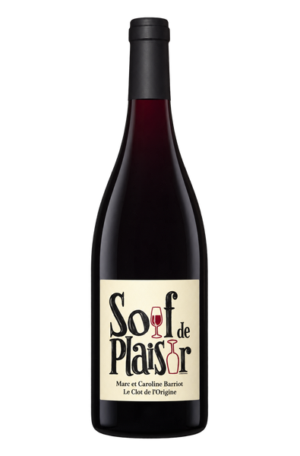
Clot de l’Origine 2019 Soif de Plaisir
French Red
$43.99
Floral notes and minerality characterize this dry red. Carignan comes from Estagel, while Syrah comes from Caudiès-de-Fenouillèdes, with schist and schist-marl soils. The wine can be served cool with grilled dishes, salads or pizza, or at cellar temperature with beef and stew. It is also suited to the aperitif. The producer suggests drinking it within five to eight years.
Zink Crémant d’Alsace Blanc Brut
French Sparkling
$38.99
Ripe apple, plum and white-flower aromas accompany a bright straw colour. The palate is creamy and dry, with refreshing bubbles. Riesling, Pinot Blanc and Pinot Noir make up the blend. This sparkling wine comes from Alsace and is made in the traditional method. Its fruit-forward profile is well suited to service as an aperitif before a meal.
Tracy & Cie 2024 Les Marnes Sauvignon Blanc
French White
$38.99
Flowers and citrus open a lively, concentrated profile with polished texture. Exotic fruit develops with air, while lime and delicate minerality shape the clean finish. Sauvignon Blanc comes from marl, limestone and silt soils. Fermentation takes place in stainless steel between fifteen and eighteen degrees, followed by ageing on fine lees in tank. The finished profile is fresh, mineral and fruity.
Domaine Rolet Macvin du Jura Rouge
French Fortified
$46.99
Garnet red in colour, with kirsch-like aromas of sweet cherries and ripe fruit. The palate balances sweetness and alcohol, leaving a gentle fruit sensation on the finish. Poulsard must is combined with old destemmed marc that spent more than six years in oak. The finished Macvin then ages for more than thirty-six months. Serve cool, between six and eight degrees Celsius.
Maison Kuehn Crémant d’Alsace Brut Blanc de Blancs
French Sparkling
$38.99
A very pale yellow colour shows gold reflections. Lively white-fruit notes and a toasted touch appear on the nose, while the palate carries freshness, elegance, delicate flavours and structure. Auxerrois and Pinot Blanc form the blend. Traditional-method production includes a second fermentation in bottle and fifteen to eighteen months of ageing on laths. Dosage is nine grams per litre.
Domaine François Chidaine 2022 Touraine Rouge
French Red
$42.99
Equal parts Côt, Cabernet Franc and Pinot d’Aunis come from biodynamically farmed vineyards around Montrichard and Chissay-en-Touraine. Red fruit, faint minerality and pepper shape the profile, supported by medium tannins, bright acidity and moderate complexity. The blend carries good concentration and length, while the three varieties remain clearly integrated. Plenty of character completes the profile.
Château Saint-Michel 2011 Sauternes
French Dessert
$38.99
Sémillon leads the estate plantings at eighty percent, joined by fifteen percent Sauvignon and five percent Muscadelle. The two-and-a-half-hectare property lies on the heights of Illats, on the Bel Air plateau, where clay-limestone and gravel soils support Sauternes production. Careful, balanced viticulture is practiced across the parcels. Golden colour accompanies honey, apricot and exotic fruit, with an unctuous texture and a balance of sweetness and acidity.
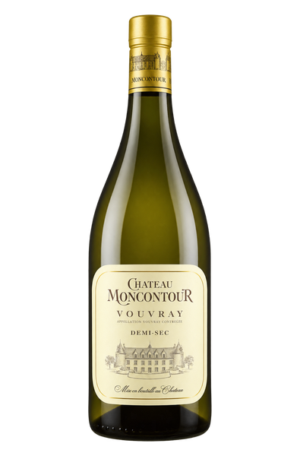
Château Moncontour 2025 Vouvray Demi-Sec
French White
$41.99
Chenin gives a pale-yellow colour with green tints. Citrus, white flowers, apricot and green apple accompany a rich, fresh profile. The palate is soft, round and sweet, with acidity and an almost dry finish. Fruit comes from the La Monaco plot on chalky clay soil. Fermentation lasts one month in temperature-controlled tanks. Maturation lasts three months with fining and regular racking.
Olivier Ravoire 2016 Vacqueyras
French Red
$38.99
Black fruit, garrigue and oak are present. The palate is powerful, smooth and rounded, with persistent fruit. The blend is eighty percent Grenache and twenty percent Syrah. All Syrah matures for twelve months in 225-litre French oak barrels, split evenly between new and once-used wood. Ten percent of the Grenache spends twelve months in new 600-litre French oak. Melted tannins, smoke and red fruit are also present.
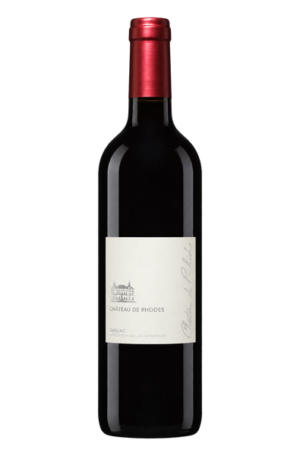
Château de Rhodes 2020 Gaillac Rouge
French Red
$41.99
Black fruit and spice are present in a rich, dense profile. Wood ageing and softened tannins are also recorded. The blend combines Braucol, Duras, Syrah and Prunelard in proportions of forty-one, thirty, twenty-one and eight percent. The wine is dry, organically produced and identified as natural, with fourteen and a half percent alcohol. Residual sugar is three point three grams per litre.
Chartron et Trébuchet 2024 Bourgogne Chardonnay
French White
$39.99
Classic straw-yellow colour shows golden reflections. Yellow-fleshed fruit, herbs and dried fruit shape a broad, intense bouquet. The palate is round, rich, nearly unctuous and fresh. Chardonnay comes from limestone soils on northwest-facing vineyards around three hundred metres above sea level. The vines are trained to espalier at a density of approximately 3,500 plants per hectare.
Lambert de Seyssel 2016 Royal Seyssel Brut
French Sparkling
$49.99
Fine bubbles accompany green apple and white flowers, with a dry palate, pineapple jelly, citrus acidity and a creamy texture. Toast, salted butter and quince jelly are also present. Made from Altesse and Molette, the wine follows the traditional method and spends three years ageing sur lattes. It comes from Savoie and carries the Seyssel appellation. Alcohol is twelve percent.
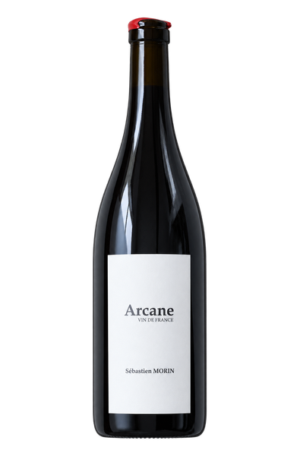
Sébastien Morin 2020 Arcane
French Red
$45.99
Deep fruit and fine tannins shape the profile. Gamay comes from old vines on sandy granitic soils near the cellar in Saint-Étienne-des-Oullières. Seventy percent of the fruit is destemmed and layered with whole bunches for fermentation. The vineyard is farmed organically without certification. Fermentation is spontaneous, and the wine is bottled unfined and unfiltered, with no additives.
J. Moreau & Fils 2024 Gloire de Chablis
French White
$49.99
Clear golden colour accompanies creamy aromas and exotic fruit. The wine is complex and fresh, with crisp citrus and almond flavours followed by a long, pleasant aftertaste. Made entirely from Chardonnay grown in Chablis, it contains 12.5 percent alcohol. This white comes from Burgundy and carries the Chablis appellation. The house was founded in Chablis in 1814.
Château Moncontour Vouvray Brut
French Sparkling
$41.99
Fine bubbles accompany white-fruit and floral scents. The palate is lively and powerful, with apricot and a rich, harmonious character. This white sparkling wine is made entirely from Chenin in Vouvray using the traditional method. The cuvée comes from a family estate in the Loire Valley. The wine contains 12.5 percent alcohol and 6.6 grams per litre of residual sugar.
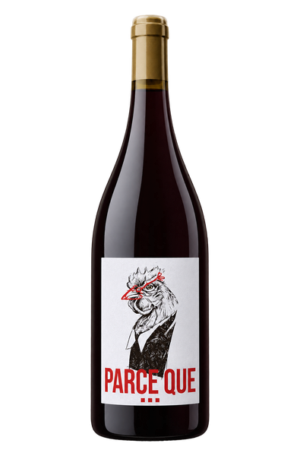
Julien Pineau 2021 Parce Que
French Red
$39.99
Black cherry, cassis, nuts and cassis-jam character are present. Tannins are also present, with astringency in the finish. Syrah, Grenache, Mourvèdre and Cabernet Sauvignon are macerated separately before fermentation and maturation. The organically farmed fruit comes from several French growers. Sulphur totals fifteen milligrams per litre, alcohol is thirteen percent, and the wine is classified as a French red.
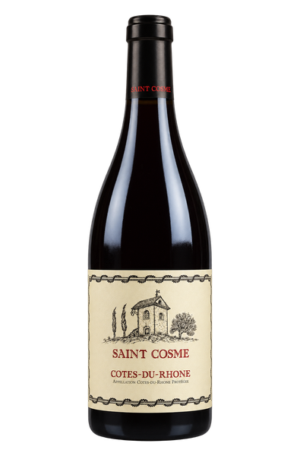
Château de Saint Cosme 2024 Côtes du Rhône
French Red
$39.99
Intense white pepper, ripe black cherry and wild herbs shape a perfumed profile, joined by peppery red and black fruit, spice and mineral character. The palate is medium-bodied, fresh, focused and balanced, with a savory aftertaste. This red wine is made entirely from Syrah grown in the southern Rhône, and it carries the Côtes du Rhône appellation.
Domaine Maby 2021 La Fermade Blanc Lirac
French White
$39.99
Bright light-yellow with green reflections, the wine combines yellow plum, spring flowers and a chalky note. The palate is silky, rounded and clean, with lively freshness. The blend is forty percent Clairette, thirty-five percent Grenache Blanc and twenty-five percent Picpoul. Vines average thirty-nine years old. Fermentation lasts five weeks in tank, and maturation takes place in stainless steel.
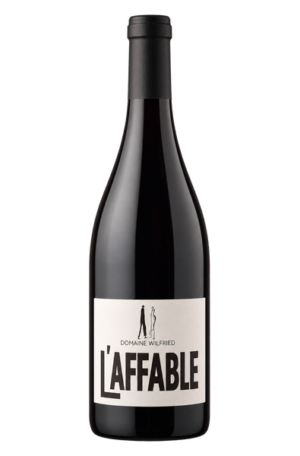
Domaine Wilfried 2019 L’Affable Côtes du Rhône
French Red
$39.99
The blend brings together Carignan, Cinsault, Grenache Noir and Syrah. Grapes at the estate are harvested by hand and sorted, while fermentation uses native yeasts without oenological additions. Maturation takes place mainly in concrete vats. Depending on the release and cuvée, a light sulphur addition may follow malolactic fermentation or precede bottling. The vineyards are organically certified.
Gérard Bertrand 2024 Hampton Water Rosé
French Rosé
$40.99
Pale pink in colour, the wine brings together red-fruit, citrus and spice notes with minerality, freshness and intensity. Grenache, Cinsault, Mourvèdre and Syrah are harvested separately. The fruit is destemmed, cooled and pressed, then fermented for fifteen to more than thirty days. A portion of the wine is handled in barrel before the final blend is assembled.
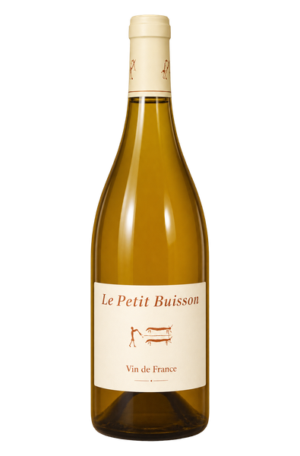
Clos du Tue-Boeuf 2020 Le Petit Buisson
French White
$45.99
Made from Sauvignon Blanc, the wine shows ripe apple, fresh herbs, citrus and flint. It is medium-bodied and refreshing, with bright acidity, a delicate texture and a long finish. Grapes are hand harvested and gently pressed. Fermentation occurs in neutral vessels with wild yeast, followed by six months on the lees in Burgundy barriques. It is bottled without fining or filtration.
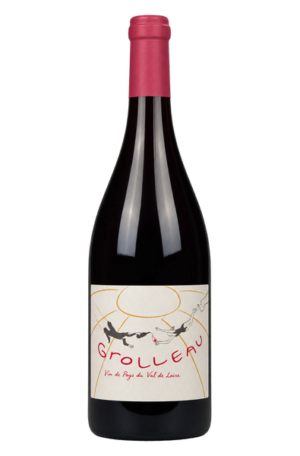
Catherine & Pierre Breton 2023 Grolleau
French Red
$49.99
Made from Grolleau, this red comes from the Loire and carries 10.4 percent alcohol. The estate’s vineyards are certified biodynamic and receive organic care without chemical treatments. Harvest is by hand. Fermentation uses indigenous yeasts, sulphur is kept to a minimum, and the wines are bottled without filtration. The release is classified as Vin de Pays du Val de Loire.
Domaine Bernard Baudry 2009 Chinon La Croix Boissée
French Red
$69.99
Dark pomegranate and black-cherry character appear with black pepper, rose petals and other floral notes. The wine is mineral and intensely structured, with ripe tannins and a long finish marked by acidity. Fruit comes from a steep, south-facing site covered in chalk with little topsoil. Cabernet Franc was fermented in wooden vats for twenty to thirty days and matured in oak for as long as eighteen months.
Gérard Bertrand Esprit de Côtes des Roses Brut Rosé
French Sparkling
$41.99
Chardonnay accounts for fifty-five percent of the blend, Pinot Noir thirty percent and Grenache fifteen percent. Fine mousse accompanies lime and chalk aromas, while the palate is clean and soft. Red berries and white flower petals are also present, and the finish is long and refreshing. The cuvée includes reserve wine, completes its second fermentation in bottle and spends time ageing on the lees.
Pierre-Olivier Bonhomme 2020 Vercheny Rouge
French Red
$47.99
The release is made entirely from Pinot Noir grown in the Cheverny area on clay-and-sand soils. The clay is associated with concentration and depth, while the sandy ground is associated with fruit character. The harvest yielded thirty-five hectolitres per hectare. Because the blend contains no Gamay, the wine is presented as Vin de France rather than under the Cheverny appellation.
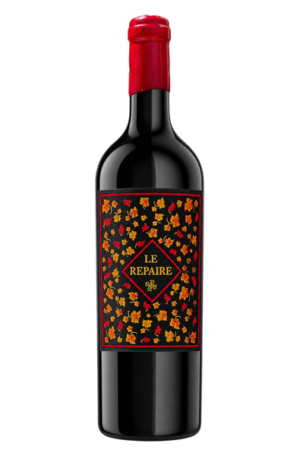
Vignobles Lassagne 2023 Le Repaire Lussac-Saint-Émilion
French Red
$41.99
Cabernet Sauvignon and Petit Verdot are used in equal proportions. The red has tangy freshness, pure fruit and creamy, fine, velvety tannins on a medium-bodied palate. Maturation takes place in concrete vats, and alcohol is thirteen and a half percent. The family property dates to nineteen fifty-two and covers forty-eight hectares across Bordeaux, Lussac-Saint-Émilion and Lalande-de-Pomerol.
Rose Gold 2025 Côtes de Provence Rosé
French Rosé
$43.99
Bright citrus, strawberry and cherry appear with minerality and clean acidity. The rosé is crisp and carries thirteen percent alcohol. Casey Barber founded the company in Texas and works with a collective of producers around Saint-Tropez and the surrounding Golden Triangle of Provence. Grenache is the stated variety, the wine is dry, and its country of origin is France.
Domaine Zind-Humbrecht 2020 Muscat Turckheim
French White
$59.99
Muscat d’Alsace accounts for eighty-five percent of the blend, with fifteen percent Muscat Ottonel. The thirty-seven-year-old vines grow on gravelly silt and loam at the edge of Herrenweg de Turckheim, where the microclimate is warm. Fermentation was quick and finished bone dry. Pale yellow-green colour accompanies delicate floral aromas, an airy texture and soft velvet on the palate. The profile has tannic structure and a long finish.
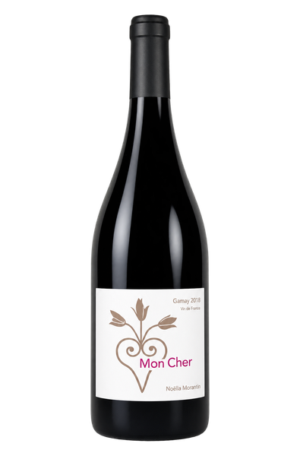
Noëlla Morantin 2018 Mon Cher
French Red
$41.99
Gamay from the Loire Valley forms this natural red wine. The grower’s parcels were already farmed organically when she began working them. After training in viticulture and oenology, she worked alongside natural-wine producers in the Loire and Burgundy before making her first vintage. She later became the owner of the vineyards and retained one hectare planted to Gamay.