











Italy
Italy
Pacina 2019 Donesco Toscana Rosso
Italian Red
$48.99
Made entirely from Sangiovese, this dry red comes from younger vines at the Pacina estate in Tuscany. Fermentation and malolactic fermentation take place in concrete, and ageing lasts approximately twenty-four months in concrete and stainless-steel tanks. The wine is neither fined nor filtered, and selected yeasts are not added. Total sulphur is ten milligrams per litre. The vineyard work is organic, and the finished wine contains 14.5 percent alcohol.
Nicosia 2020 Lenza di Munti Etna Rosso
Italian Red
$49.99
Brilliant ruby in colour, the wine combines eighty-five percent Nerello Mascalese with fifteen percent Nerello Cappuccio. Floral notes and red fruit appear in a lively, smooth profile with strong minerality and an intense fruity finish. The grapes come from volcanic soils on lava terraces at an average elevation of 720 metres. Fermentation lasts ten to fifteen days in stainless steel, and ageing includes four months before bottling plus five to six months in bottle.
Castellare di Castellina 2023 Chianti Classico
Italian Red
$49.99
Ruby red in colour, the wine presents red fruit, liquorice and subtle vanilla aromas. Its fruity structure is soft and long, with a refreshing, mineral finish. The blend contains ninety percent Sangiovese and ten percent Canaiolo. Vinification takes place in vats with alcoholic and malolactic fermentation, followed by seven months in French oak and a further seven months in bottle.
Voerzio Martini 2023 Bricco Cappellina Langhe Arneis
Italian White
$48.99
Straw yellow with green reflections, the wine is bright, with a fresh and harmonious aroma and intense flavour. Made entirely from Arneis, it does not undergo wood ageing. Apple, gooseberry, flowers and an unusual perfumed spice appear alongside fresh acidity, light effervescence and mineral notes. Orange and blackberry add further fruit detail to this white wine from Piedmont.
Le Vigne di Zamò 2021 Orange Zero Malvasia
Italian White
$52.99
Floral notes, peach, apricot and citrus appear in a dry, fresh profile. The palate brings soft tannins and a mix of dried apricot, blood grapefruit and fresh herbs. A textured profile also includes bitter marmalade, pleasant bitterness, dried flowers and roasted stone fruit. Made entirely from Malvasia, this orange wine comes from Friuli-Venezia Giulia and contains 13.5 percent alcohol.
Cantina Giardino 2021 NA Vino Bianco
Italian White
$48.99
Golden orange in colour, the wine is dry and structured, with floral notes, pure fruit, stone fruit, mineral character and a salty finish. The blend includes Coda di Volpe, Falanghina, Fiano and Greco. Fermentation is spontaneous, and no sulphur dioxide is added. This natural, skin-contact white comes from Campania in Italy and also shows tannin.
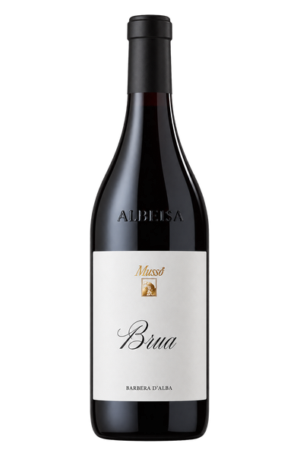
Musso 2020 Brua Barbera d’Alba Superiore
Italian Red
$51.99
Bitter almond, violet candy and a hint of liquorice appear in the aromas. The palate is velvety, with red fruit, structure, body, light tannins and lively bitter notes. Grapes are destemmed and softly crushed before stainless-steel fermentation with maceration and frequent pump-overs. Ageing lasts about two years in large casks and five-hundred-litre tonneaux. The wine contains 15.5 percent alcohol.
Noelia Ricci 2017 Bro’ Bianco Forlì IGT
Italian White
$48.99
Bright lemon yellow in colour, the wine brings fresh citrus with spicy mineral notes recalling seashells. It is dry, made from Trebbiano, and contains 12.5 percent alcohol. The vineyards lie around fifty kilometres from the Adriatic, while maturation takes place only in stainless steel. The profile is light, with apple, pear and white flowers also present.
Cantina Terlano 2025 Pinot Grigio
Italian White
$49.99
Light straw yellow in colour, the wine carries grapefruit, white peach, lychee and floral notes. The palate is rounded and soft, with harmonious acidity, black-tea spice, melon, mango and fine minerality. Grapes are hand-picked and selected, then gently whole-cluster pressed. Fermentation takes place in temperature-controlled stainless steel, followed by about six months on fine lees in steel.
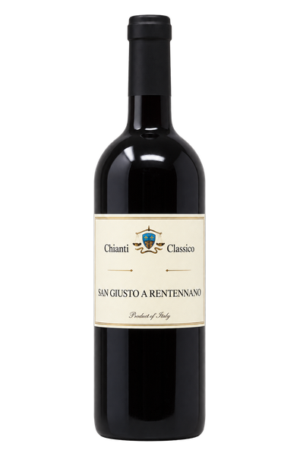
Fattoria San Giusto a Rentennano 2022 Chianti Classico
Italian Red
$61.99
Bright red cherry, red plum, mint, cedar, tobacco, game, liquorice and rose petal shape a mid-weight profile. Acidity is bright, and the wine is fresh and concentrated. The blend is ninety-five percent Sangiovese and five percent Canaiolo. Oak ageing lasts eleven months, while analysis records 14.5 percent alcohol, less than one gram per litre of sugar and 5.35 grams per litre of acidity.
Cesare Bussolo 2023 Dolcetto d’Alba
Italian Red
$51.99
Deep young red in colour, the wine carries ripe plum and cherry. The palate is full, with softness, fine acidity and tannins. It remains refreshing and firm through a long finish. Made entirely from Dolcetto in Piedmont, it contains thirteen percent alcohol, less than three grams per litre of sugar and 5.4 grams per litre of acidity.
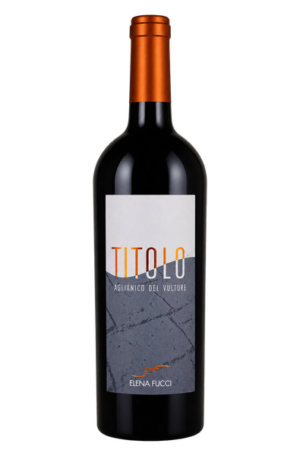
Elena Fucci 2008 Titolo Aglianico del Vulture
Italian Red
$49.99
Dark fruit, red cherry, raspberry and plum appear with spice, leather, balsamic herbs and crushed mineral. Bay, incense, camphor, juniper, anise and graphite are also present. The wine is dense, with lively acidity and a long finish. Aglianico grows at about 650 metres on volcanic soil containing lava and pozzolana. Malolactic fermentation takes place in oak. Alcohol is fourteen percent.
Cirelli Frizzante Bianco
Italian Sparkling
$49.99
White fruit, citrus, melon and orange peel appear with white flowers, almonds and a saline note. The palate is light and delicate, with dominant acidity and no oak character. Trebbiano undergoes spontaneous fermentation with indigenous yeasts, and sulphite additions are minimal. The wine is organically produced, naturally made and contains less than 1.2 grams of residual sugar per litre.
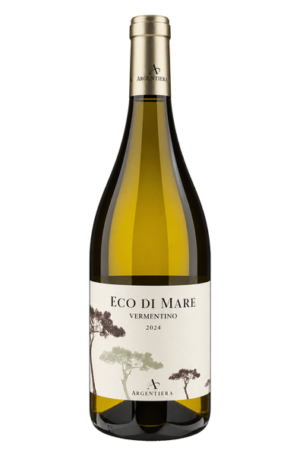
Tenuta Argentiera 2024 Eco di Mare Vermentino Toscana IGT
Italian White
$49.99
Lime, grapefruit, toasted almond and wildflowers appear with lavender, white flowers and a light herbal note recalling wild sage. The palate is fresh and balanced, with pronounced salinity and minerality. Vermentino grows in Donoratico’s red aeolian sands at twenty to eighty metres, with a western exposure. Grapes are harvested by hand; fermentation and fine-lees contact last fifteen days in stainless steel.
Italo Cescon 2021 Cabernet
Italian Red
$49.99
Intense ruby-red colour has violet reflections. The bouquet includes woodland, fruit, spice and herbal notes. Concentration accompanies dry tannins, fruit, oak and lively freshness. The blend contains seventy percent Cabernet Sauvignon and thirty percent Cabernet Franc from Fagarè, Vallonto and Fontanelle, where the soils are alluvial clay. Grapes are hand-harvested in late September, and the wine matures twelve months in oak followed by twelve months in bottle.
Carranco 2022 Villa dei Baroni Etna Bianco
Italian White
$57.99
Green apple and citrus fruit accompany a complex, saline and intense profile. The palate shows freshness and softness. Carricante accounts for the entire blend and comes from Contrada Carranco in Castiglione di Sicilia. Vinification takes place in stainless steel, and the wine spends six to seven months in cement on the fine lees. Alcohol is thirteen percent and the designation is Etna Bianco DOC.
La Rivolta 2025 Le Mongolfiere a San Bruno Aglianico del Taburno Rosato
Italian Rosé
$53.99
Cerasuolo pink colour accompanies floral notes and a light fruit character led by strawberry. The palate is lively and flowing, with clear salinity. Aglianico accounts for the entire blend. Fermentation and maturation take place in stainless steel, and the wine records 14.5 percent alcohol. The grapes are organically grown in Campania under the Aglianico del Taburno designation.
Scarpa 2022 Monferrato Bianco Timorasso
Italian White
$49.99
Timorasso grows at the I Bricchi estate, near Castel Rocchero and Acqui Terme, at about 380 metres. The soils are mainly clay with a small sandy component. The fruit receives roughly twenty hours of cool skin contact before stainless-steel fermentation and ageing, with regular bâtonnage. White flowers, citrus, ripe yellow fruit, saffron and flint accompany lively acidity and persistent minerality.
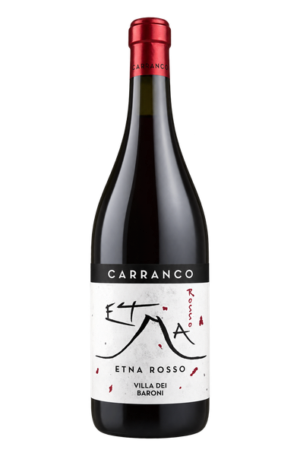
Carranco 2019 Villa dei Baroni Etna Rosso
Italian Red
$57.99
Nerello Mascalese grows on the northern side of Etna in volcanic soils at about 500 metres. Vinification takes place in concrete, followed by maturation in large Slavonian-oak casks. Currant, rose, cherry, ripe peach, sulphur, liquorice, citrus, anise and mint shape the profile. The palate is juicy, with lively acidity, reactive savoury tannins and a long saline trail.
Argillae 2023 Orvieto Superiore
Italian White
$49.99
Bright straw-yellow colour accompanies yellow flowers, citrus and tropical fruit. The palate is broad, complex, fruity and persistent, with mineral notes, refreshing acidity and a fresh finish. Grechetto, Procanico, Malvasia, Chardonnay and Sauvignon Blanc form the blend. Fermentation and four to five months of ageing take place in stainless steel, followed by one month of bottle ageing.
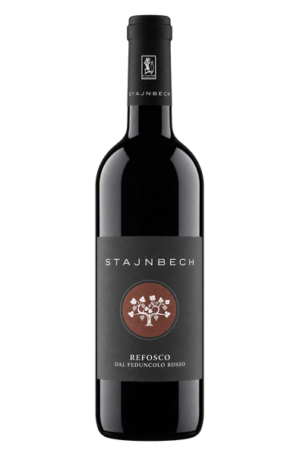
Borgo Stajnbech 2016 Refosco dal Peduncolo Rosso
Italian Red
$51.99
Ruby colour carries purple and violet reflections. Blackberry, raspberry, blueberry and morello cherry lead the fruit, with red rose, black pepper and damp earth also present. Acidity and softness are balanced, while the tannins leave the palate dry and the finish recalls red fruit. The wine aged for ten months in stainless steel and another two months in bottle.
Brovia 2021 Roero Arneis
Italian White
$51.99
Stone fruit and citrus meet a mineral spine in this dry white. Arneis comes from a 0.80-hectare, south-facing sandy vineyard in Vezza d’Alba at about 340 metres. Harvest is manual, followed by brief maceration and fermentation at controlled temperature for two to three weeks. The wine rests in stainless steel until early spring before several months of bottle ageing.
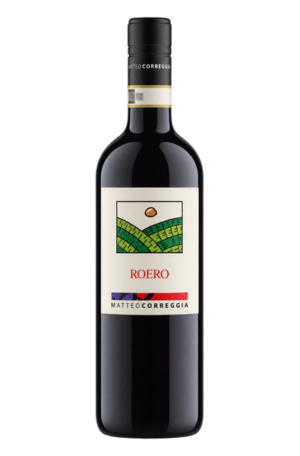
Matteo Correggia 2022 Roero Rosso
Italian Red
$49.99
Nebbiolo grows in the sandy hills of Roero. The grapes are harvested by hand, then macerated in stainless steel for six to eight days. The wine spends six months in second-use barriques. Violet, dried flowers, white pepper and balsamic herbs define the aromatic profile. The palate is intense and structured, with present tannins and a persistent finish.
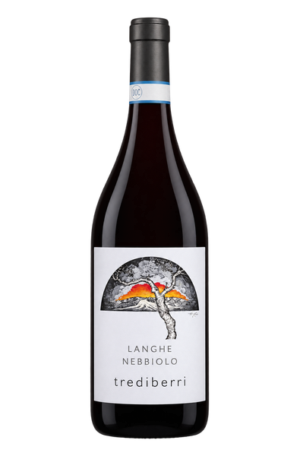
Trediberri 2024 Langhe Nebbiolo
Italian Red
$49.99
Warm fruit and pepper accompany a light, juicy profile with restrained tannins. Nebbiolo comes mainly from La Morra and Levice, with smaller portions from Vicoforte and Monticello d’Alba. Alcoholic fermentation occurs mostly in concrete for about ten to twelve days. Malolactic fermentation uses concrete or stainless steel, followed by several months of ageing in concrete, steel and plastic before bottling.
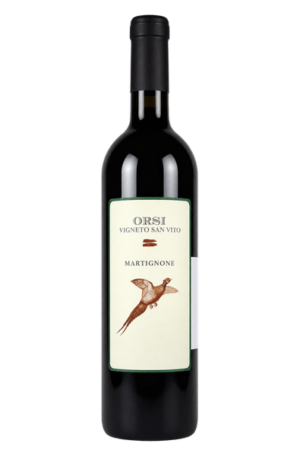
Orsi Vigneto San Vito 2019 Barbera Martignone
Italian Red
$50.99
Barbera grows in heavy clay over limestone under certified biodynamic farming. Maceration lasts one month. Fermentation and twelve months of ageing take place in botti, and the wine is bottled without fining or filtration. Sulphur use varies with the sanitary condition of the grapes; some years receive none, while other years see a small addition at harvest or bottling.
Marchesi di Grésy 2021 Martinenga Langhe Nebbiolo
Italian Red
$62.99
Bright ruby colour accompanies strawberry, raspberry and black cherry. The palate is fresh, lively and balanced, with medium body and tannins. A short vinification and malolactic fermentation take place in steel. Ageing takes place mainly in cement with some tank. Floral notes accompany the red-fruit profile. Nebbiolo comes from the Martinenga vineyard in Piedmont’s Langhe.
Malacari 2010 Grigiano Conero Riserva DOCG
Italian Red
$61.99
Montepulciano forms the entire wine. The dry, still red comes from a three-hectare vineyard yielding twenty-five quintals per hectare. Fermentation uses no selected yeast, and the wine is unfiltered. Dark fruit includes prune, raisin, damson and blackberry, with spice and vanilla. Twenty days on skins include délestage; malolactic fermentation takes place in tonneaux, and the wine returns to tonneaux after racking. Alcohol is fourteen percent.
Vino di Anna 2021 Palmentino Rosso
Italian Red
$59.99
Bright crimson colour accompanies red cherry and wild strawberry aromas. The palate is dry and fruit-driven, with juicy ripe tannins and fresh acidity. Organically grown Nerello Mascalese comes from old bush vines on high, terraced vineyards on Etna’s northern face. Half the blend is made in a traditional palmento, thirty percent in Georgian qvevri and twenty percent in a large used oak botte. Indigenous yeasts conduct spontaneous fermentation; the wine rests twelve months on fine lees and is bottled without fining or filtration.
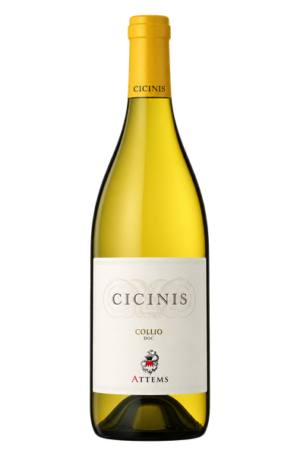
Attems 2022 Cicinis Collio Sauvignon Blanc
Italian White
$51.99
Citrus, papaya and sage appear with vanilla, moka and jasmine. Lime and white blackberry are present on the finish. Sauvignon Blanc comes from a single vineyard at the foot of Monte Calvario on Ponca soils. Twenty-year-old vines are cooled by Bora winds and harvested by hand. Fermentation and nine months of maturation take place in concrete egg tanks and barriques, without malolactic fermentation. Alcohol is thirteen point five percent.
La Miraja 2021 Ruchè di Castagnole Monferrato
Italian Red
$51.99
Violet, rose, iris, jasmine, cardamom, white pepper and lychee appear with wild berries, red cherry and pomegranate. The palate has robust acidity and moderate tannins. Ruchè comes from estate vineyards at 250 metres on calcareous red-clay soils. Hand-harvested fruit is destemmed, basket pressed into stainless steel and kept on the skins for ten days during native fermentation. Malolactic fermentation is spontaneous. Maturation includes three months in cement and four months in bottle.