









Unsubscribe at any time.

Selection
Selection
A Sunday in August 2025 Pinot Gris
Canadian White
Watermelon-candy fruit meets a fresh, rounded texture in this Pinot Gris, which includes a dash of Gewurztraminer. The fruit comes from Kelowna in British Columbia and is organically farmed. Natural fermentation follows five days of maceration, and élevage takes place in stainless steel. The wine is bottled unfined and unfiltered, with low sulfur and nothing else added.
Laughing Stock 2023 Blind Trust Red
Canadian Red
Blackberry, dark cherry and baking spice accompany a ripe, rich aroma, while soft tannins shape the medium-bodied palate. Merlot, Cabernet Sauvignon, Syrah, Malbec, Cabernet Franc and Petit Verdot form the blend. Fruit is hand picked, with clusters and berries sorted. Fermentation uses stainless-steel and French-oak vessels, followed by extended maceration and fifteen months of maturation in French oak.
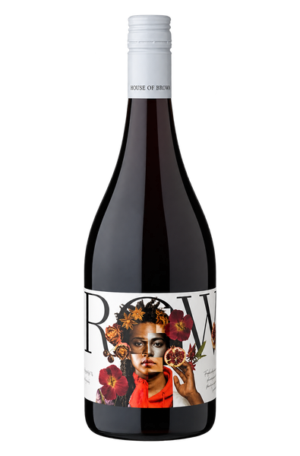
House of Brown 2021 Red Blend
American Red
Hibiscus, tea rose, pomegranate and maraschino cherry meet cinnamon, clove and lavender in this light-bodied red. Crisp acidity carries the fruit and spice into a lingering finish. Sustainably produced and vegan, it blends 80% Cabernet Sauvignon and 20% Pinot Noir from Lodi and the Cosumnes River area.
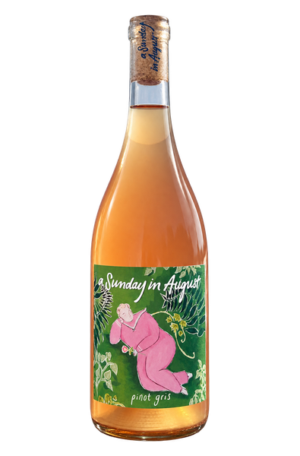
A Sunday in August 2024 Pinot Gris
Canadian White
Dark pink in colour, the wine is dense and concentrated, with watermelon and candied-strawberry character. Pinot Gris comes from Johan Vineyard in Oregon's Willamette Valley, where the fruit is certified biodynamic and regeneratively farmed. The grapes are pressed directly, fermented naturally and raised in a neutral oak puncheon. The wine is bottled unfined and unfiltered with twenty-five parts per million of sulfur.
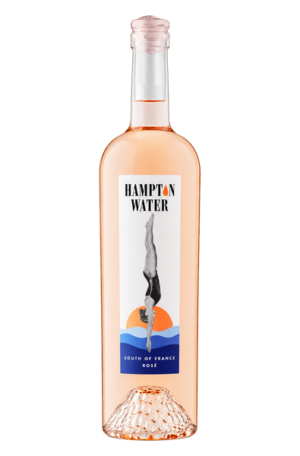
Gérard Bertrand 2024 Hampton Water Rosé
French Rosé
Pale pink in colour, the wine brings together red-fruit, citrus and spice notes with minerality, freshness and intensity. Grenache, Cinsault, Mourvèdre and Syrah are harvested separately. The fruit is destemmed, cooled and pressed, then fermented for fifteen to more than thirty days. A portion of the wine is handled in barrel before the final blend is assembled.
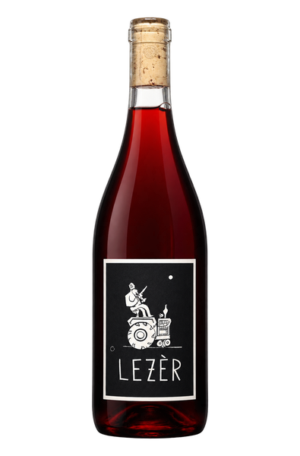
Foradori 2025 Lezèr Vigneti delle Dolomiti
Italian Red
Purple-violet in colour, the wine combines berries, plum, cherry and floral notes with a fresh, juicy and light profile. Twenty separately fermented lots are assembled, using vessels that include barrels, amphorae, stainless steel and cement. Crunchy acidity accompanies red-berry and black-fruit character. The wine is made in Trentino and carries the Vigneti delle Dolomiti designation.
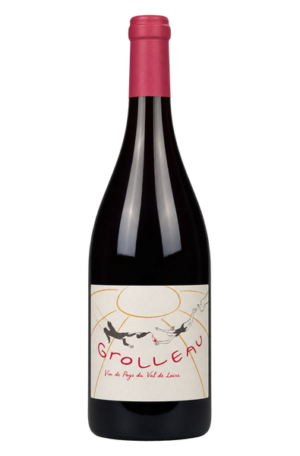
Catherine & Pierre Breton 2023 Grolleau
French Red
Made from Grolleau, this red comes from the Loire and carries 10.4 percent alcohol. The estate’s vineyards are certified biodynamic and receive organic care without chemical treatments. Harvest is by hand. Fermentation uses indigenous yeasts, sulphur is kept to a minimum, and the wines are bottled without filtration. The release is classified as Vin de Pays du Val de Loire.
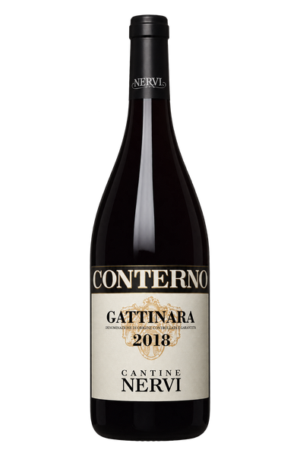
Nervi 2018 Gattinara
Italian Red
Garnet colour accompanies a bouquet of marasca cherry and blueberry, with powder, fireplace and tertiary aromas emerging as the wine opens. The palate is austere rather than immediate and develops gradually in the glass. Bunches are gently destemmed and pressed, with maceration lasting at least twenty days in oak and steel vats. Maturation takes place for a minimum of three years in large oak casks.
Little Farm Winery 2022 Pied de Cuve Chardonnay
Canadian White
Smoked lemon and grapefruit appear with spice, red apple and a hint of cherry. The palate is fresh and delicate, with pristine lemon fruit. Chardonnay from an organic vineyard in Cawston was fermented with a pied-de-cuve starter, divided between older barrel and tank, and matured on gross lees for ten months. It was bottled unfined and unfiltered, with minimal sulphur added at bottling.
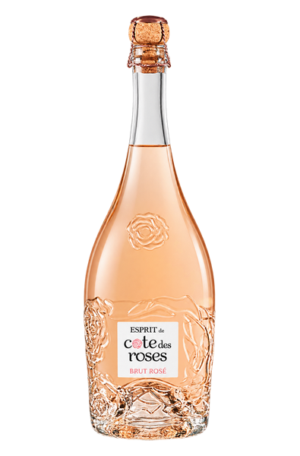
Gérard Bertrand Esprit de Côtes des Roses Brut Rosé
French Sparkling
Chardonnay accounts for fifty-five percent of the blend, Pinot Noir thirty percent and Grenache fifteen percent. Fine mousse accompanies lime and chalk aromas, while the palate is clean and soft. Red berries and white flower petals are also present, and the finish is long and refreshing. The cuvée includes reserve wine, completes its second fermentation in bottle and spends time ageing on the lees.
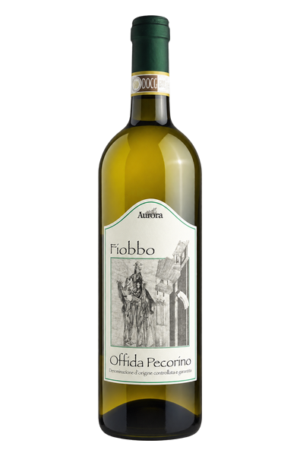
Vini Aurora 2018 Fiobbo Offida Pecorino
Italian White
The yellow colour is bright without being deep. A slight initial reserve gives way to fresh floral character with a touch of botrytis. The palate is both soft and incisive, with acidity, salinity and freshness alongside a lightly mentholated finish. Pecorino is the sole variety. Half of the wine ferments and matures in large barrels, with the remainder handled in stainless steel; both parts age for a year before blending.
Kumeu River 2025 Village Pinot Noir
New Zealand Red
Lifted red fruit aromas accompany a cool, round and fruity palate with chalky tannin and a dry, refreshing finish. The Pinot Noir comes from Rays Road in Hawke’s Bay, where wind-blown clay loess lies over limestone. Grapes were hand harvested, destemmed and crushed. Fermentation used indigenous yeasts, total cuvaison lasted two weeks, and maturation took place for seven months in tank.
Pierre-Olivier Bonhomme 2019 Vercheny Rouge
French Red
The release is made entirely from Pinot Noir grown in the Cheverny area on clay-and-sand soils. The clay is associated with concentration and depth, while the sandy ground is associated with fruit character. The harvest yielded thirty-five hectolitres per hectare. Because the blend contains no Gamay, the wine is presented as Vin de France rather than under the Cheverny appellation.
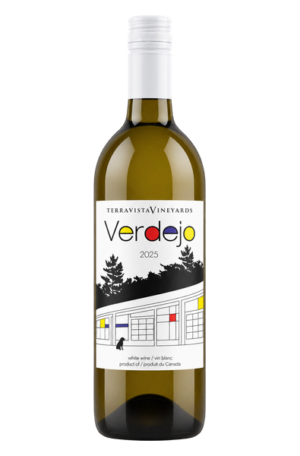
Terravista Vineyards 2025 Verdejo
Canadian White
Nectarine opens the profile with delicate stone-fruit and floral notes. Ripe melon and fresh citrus accompany a textured, medium-bodied palate, while key lime gives the finish a dry, tart edge. The Verdejo was hand-picked in two lots, twenty days apart, then whole-cluster pressed. Fermentation used stainless steel and twenty-eight percent concrete. Lees ageing lasted five months, and alcohol is 13.4 percent.
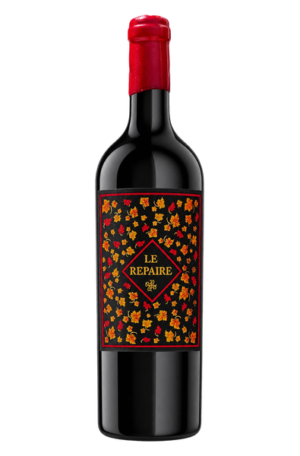
Vignobles Lassagne 2023 Le Repaire Lussac-Saint-Émilion
French Red
Cabernet Sauvignon and Petit Verdot are used in equal proportions. The red has tangy freshness, pure fruit and creamy, fine, velvety tannins on a medium-bodied palate. Maturation takes place in concrete vats, and alcohol is thirteen and a half percent. The family property dates to nineteen fifty-two and covers forty-eight hectares across Bordeaux, Lussac-Saint-Émilion and Lalande-de-Pomerol.
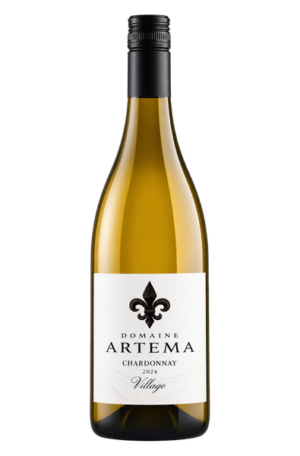
Domaine Artema 2024 Chardonnay Village
American White
Apples lead the fruit profile, joined by pears and peaches. The Chardonnay is fresh and light, with softness on the palate and a leesy finish. Fermentation is divided equally between stainless steel and neutral French oak barrels. The wine undergoes complete malolactic fermentation and ages on its lees in tank with periodic stirring. Fruit for the release came from Washington State.
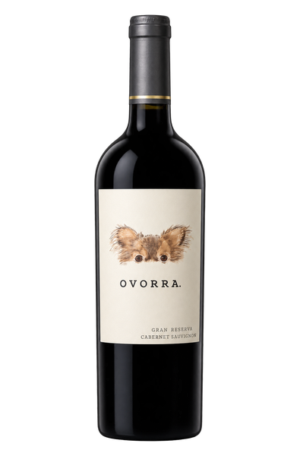
Ovorra 2022 Gran Reserva Cabernet Sauvignon
Chilean Red
Blackcurrant, ripe plum and dark cherry form a concentrated aromatic profile. Vanilla, cedar and warm spice are also present. The Cabernet Sauvignon spends a year in French oak. It is intense and structured, while the palate is powerful and composed. The tannins are firm and polished, and the finish is long and expressive. Fruit comes from the Maipo Valley in Chile.
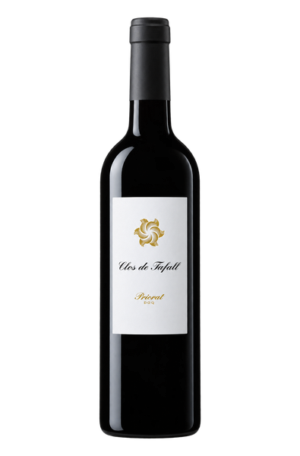
Clos Berenguer 2019 Clos de Tafall Priorat
Spanish Red
Grenache, Cariñena, Syrah and Cabernet Sauvignon form the red blend, with fruit drawn from estate vineyards around El Molar. Ripe fruit appears with balsamic detail, aromatic herbs and light toast. Smoke, stone and iron accompany strawberry preserves, red liquorice, violet and cured tobacco. The palate has volume and balance, with chalky tannins providing weight and focus. The finish is long and persistent.
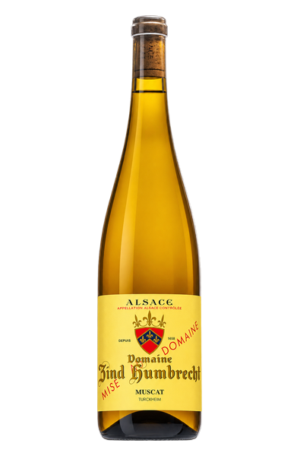
Domaine Zind-Humbrecht 2020 Muscat Turckheim
French White
Muscat d’Alsace accounts for eighty-five percent of the blend, with fifteen percent Muscat Ottonel. The thirty-seven-year-old vines grow on gravelly silt and loam at the edge of Herrenweg de Turckheim, where the microclimate is warm. Fermentation was quick and finished bone dry. Pale yellow-green colour accompanies delicate floral aromas, an airy texture and soft velvet on the palate. The profile has tannic structure and a long finish.
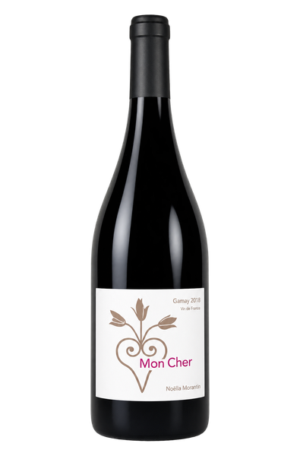
Noëlla Morantin 2021 Mon Cher
French Red
Gamay from the Loire Valley forms this natural red wine. The grower's parcels were already farmed organically when she began working them. After training in viticulture and oenology, she worked alongside natural-wine producers in the Loire and Burgundy before making her first vintage. She later became the owner of the vineyards and retained one hectare planted to Gamay.
Cantina Gaffino 2023 Il Buon Bastardo Cabernet Sauvignon
Italian Red
Cabernet Sauvignon grows on volcanic clay soils at a density of 6,300 vines per hectare. Harvest falls in the final third of September. Cold pre-fermentation maceration lasts twelve hours at ten degrees Celsius, followed by twenty-four days on the skins. Maturation includes six months in barriques and a further six months in bottle. The profile is balanced and includes tannins.
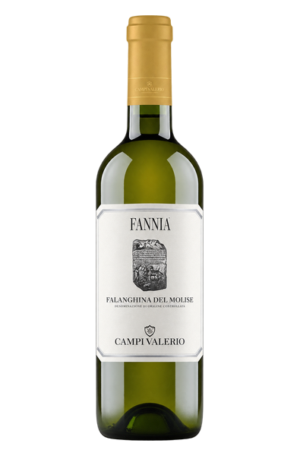
Campi Valerio 2023 Fannia Falanghina del Molise
Italian White
Falanghina comes from a one-hectare vineyard in Monteroduni, planted at 560 metres on mainly clay soil. Harvest takes place in mid-September, followed by alcoholic and malolactic fermentation in stainless steel. Orange blossom and yellow-fleshed fruit appear with freshness, balance and pronounced minerality. The wine is dry and carries a medium finish, with field flowers, pear and white pepper also present.
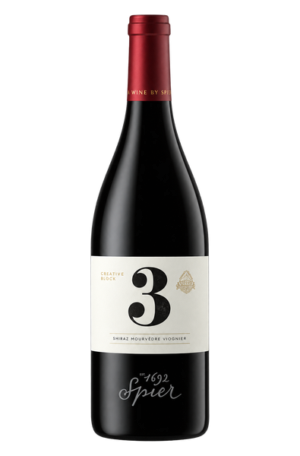
Spier 2018 Creative Block 3
South African Red
Shiraz, Mourvèdre and Viognier form this red blend from South Africa's Coastal Region. Violets, black cherry and mulberry appear with black pepper and fennel. The mid-palate is silky and rich, with concentrated fruit and dense tannins. Grapes are harvested by hand, fermented for up to two weeks, and matured for sixteen months in French and American oak barrels.
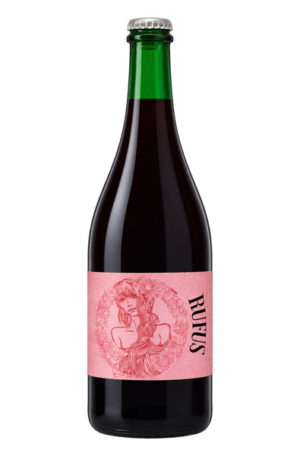
Dlúhé Grefty 2021 Rufus
Czech Red
The wine comes from Mutěnice in the Czech Republic. The family farms one and a half hectares of organic vines across eight small plots of clay and loess. Relatives help in the vineyard and cellar, while the children inspire the label artwork. The plantings include several central European varieties, and every bottle is closed under crown cap.
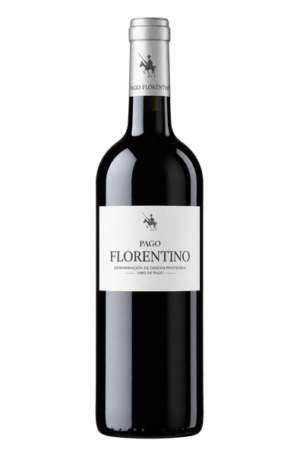
Bodegas Arzuaga 2019 Pago Florentino
Spanish Red
Cencibel is harvested in small boxes from a south-facing vineyard in Malagón. Cold maceration lasts three days, while maturation takes place for twelve months in French and American oak. Blackberry and blueberry appear with liquorice, roasted coffee, dark chocolate, toast and incense. The palate has ripe red fruit, acidity and body, with long, velvety persistence and roasted notes.
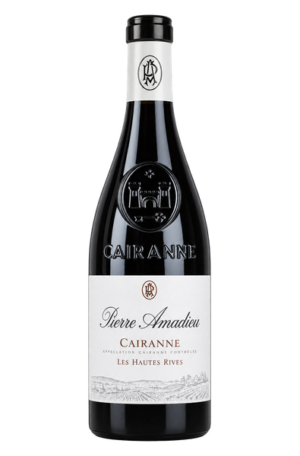
Pierre Amadieu 2021 Les Hautes Rives Cairanne
French Red
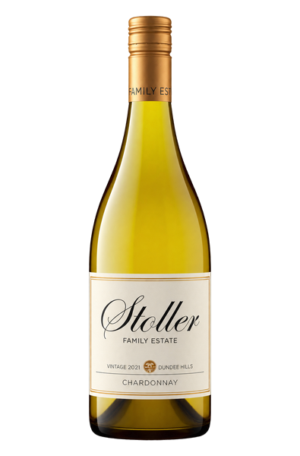
Stoller Family Estate 2021 Dundee Hills Chardonnay
American White
Chardonnay opens with wet stone and lemon tart. Persimmon and starfruit appear with firm vibrancy and tension. The finish is clean and taut, with plusher fruit flavours lingering. Fruit comes from south-facing Dundee Hills sections planted on well-drained red Jory soil. Fermentation and ageing use stainless steel, concrete and neutral French oak, followed by three months together in tank.
Cave de Lugny 2023 L’Aurore Bourgogne Pinot Noir
French Red
Pinot Noir comes mainly from vineyards in Saint-Gengoux-de-Scissé and Cruzille. The vines average thirty years old on shallow limestone soils and south to southeast-facing slopes. Mechanical harvest is followed by a short maceration, alcoholic fermentation in temperature-controlled stainless steel and wooden vats, and complete malolactic fermentation. Raspberry, blackcurrant and spice appear with red fruit, liquorice and a fresh, soft finish.
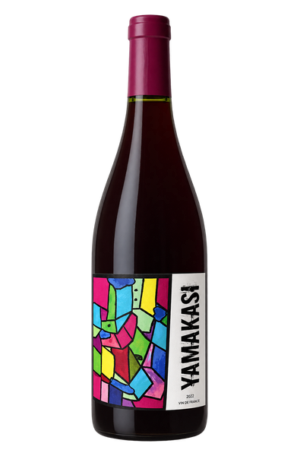
Domaine Duseigneur 2022 Yamakasi Rouge
French Red
Red fruit and herbs appear in a fresh, lively profile with supple tannins. Grenache, Syrah and Cinsault form the blend. Indigenous yeasts drive natural fermentation, and no sulphites are added. The wine is certified organic and made under France's Vin Méthode Nature framework, with minimal cellar intervention. The finished wine is dry and carries thirteen and a half percent alcohol.
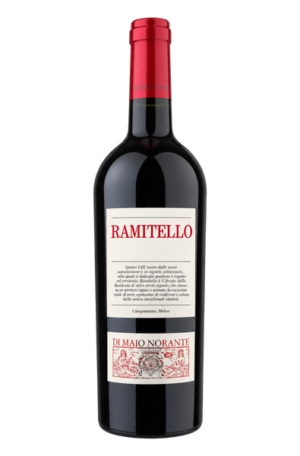
Di Majo Norante 2017 Ramitello Biferno Rosso
Italian Red
Montepulciano and Aglianico come from clay soils at one hundred metres in Campomarino. The wine spends about a month in contact with the skins and completes malolactic fermentation. Maturation takes place partly in cask and partly in stainless steel, followed by six months in bottle. Plum, leather, liquorice and spice appear within a full, soft and velvety profile.
All listed prices are before tax unless stated otherwise. Vintage availability may vary.