









Unsubscribe at any time.

2017
2017
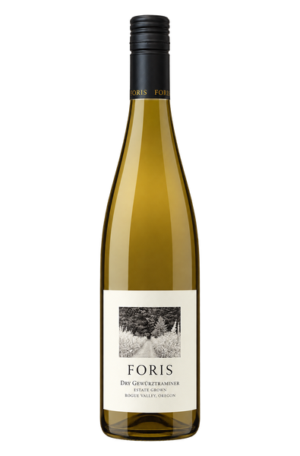
Foris Vineyards 2017 Dry Gewürztraminer
American White
Bright straw-gold in colour, with yellow rose, lychee, peach, cardamom and fresh rose. Nectarine, citrus, rose petal and orange pith appear on the palate, while sweet ginger and white pepper accompany the finish. Estate-grown fruit was harvested in three lots in mid-October, whole-cluster pressed and fermented at low temperature in stainless steel for thirty days. The wine contains fourteen and a half percent alcohol.
Christophe Coquard 2017 Les Coeurs de l’Amour Saint-Amour
French Red
Fresh cherry and raspberry sit with peony, rose and light spice. Kirsch and reseda are also present in the red-fruit profile. Made from Gamay in Saint-Amour, the wine is ruby red and contains thirteen percent alcohol. The appellation lies in Beaujolais. Serve it lightly chilled, around fourteen to sixteen degrees Celsius, with poultry, charcuterie or composed salads.
Quinta de Santiago 2017 Alvarinho Reserva
Portuguese White
Pear and peach accompany a pronounced mineral character and a long finish. The dry profile has a chalky texture. This white wine is made from Alvarinho grown in Portugal’s Vinho Verde region, within Monção e Melgaço. Alcohol is thirteen-and-a-half percent. Production was limited to four thousand bottles, with total acidity measured at six-and-a-half grams per litre.
Château de Mattes-Sabran 2017 Le Clos Redon Corbières
French Red
Spice, liquorice and fruit appear in both aroma and flavour. The palate is structured by well-extracted tannins. The wine is made entirely from Syrah grown on the Clos Redon parcel. Maceration lasts one month. Vinification and maturation take place in concrete tanks. Ten thousand bottles were produced. The wine comes from Corbières and carries fourteen percent alcohol.
Mouchão 2017 Dom Rafael White
Portuguese White
Bright citrus and tangy acidity accompany a crisp, fruity profile. Lemon curd, orange peel and chalk appear with toasted almond, roasted peanut and a mineral-dust note. A brisk, rich texture is also present. Arinto and Antão Vaz form the blend. The grapes ferment at low temperature in stainless steel. The wine carries thirteen-and-a-half percent alcohol and comes from Alentejo.
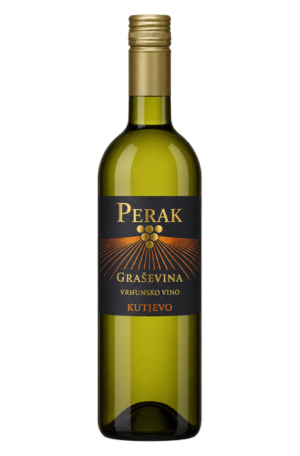
Perak 2017 Graševina Vrhunska
Croatian White
Golden in colour with green reflections, this dry white combines fruit and floral aromas with a rich, harmonious body. Freshness remains well balanced across the palate, and the profile stays firmly dry. Graševina comes from Kutjevo in Slavonia, and the wine contains twelve and a half percent alcohol. Serve cool alongside chicken, lighter dark-meat dishes or white sea fish.
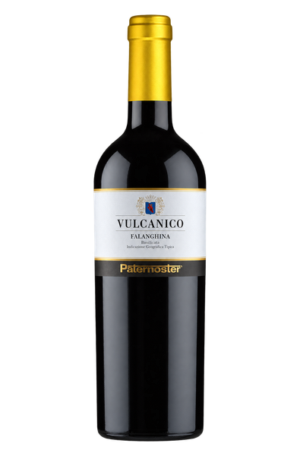
Paternoster 2017 Vulcanico Falanghina Basilicata IGT
Italian White
Bright straw yellow with green reflections, this Falanghina offers delicate white flowers and light fruit. The palate is fresh and balanced, with a clean finish and gentle persistence. Fermentation and maturation take place in stainless steel. The grapes come from Basilicata around Monte Vulture. The dry white is bottled at thirteen percent alcohol and suits an aperitif, fish, vegetables or fresh cheese.
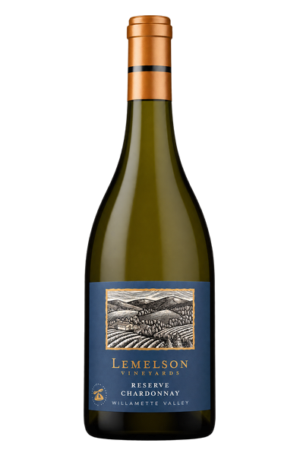
Lemelson Vineyards 2017 Reserve Chardonnay
American White
Chamomile, linden blossom, citrus peel, peach and ginger are joined by hazelnut, cinnamon, crème brûlée and white pepper. The finish is long, delicate and fresh. Chardonnay from two organically farmed Willamette Valley vineyards was whole-cluster pressed, fermented with native yeast in barrel, and matured on its lees for fifteen months in French oak, twenty-five percent new. Bottling was unfiltered.
Esencia Rural 2017 De Sol a Sol Velasco
Spanish Red
Juicy red fruit, herbal notes and spice meet a deep, fresh and savoury palate. Marked acidity and integrated tannins accompany a long, slightly balsamic finish. The wine is made from Tinto Velasco grown near Quero in La Mancha. The vineyard covers less than one hectare and contains vines about 150 years old on sandy, calcareous soils. Grapes are hand harvested and fermented with native yeasts.
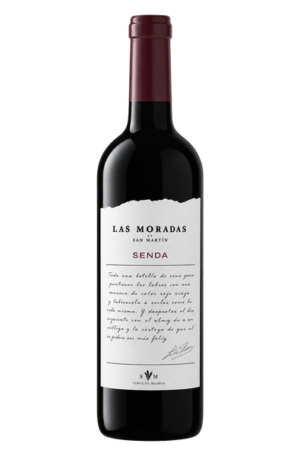
Las Moradas de San Martín 2017 Senda
Spanish Red
Cherry, plum and floral notes meet scrubland and mineral character, with granite detail and a long finish. The wine is made entirely from Garnacha. Selected fruit is harvested by hand, destemmed and fermented spontaneously in separate parcels before spending ten months in French oak. The vineyards range from forty to eighty-five years old, and the release is certified organic.
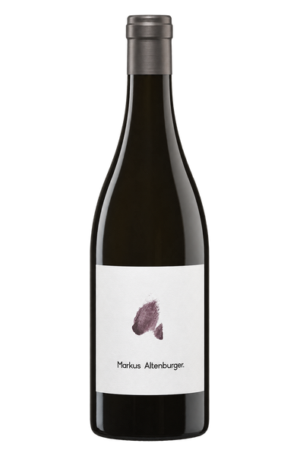
Markus Altenburger 2017 Rot Blaufränkisch
Austrian Red
Blaufränkisch comes from a blend of hillside sites with limestone and slate soils. Fermentation proceeds with little intervention, and maturation takes place in large wood. The wine is unfiltered, certified organic and carries 12.5 percent alcohol. Its profile emphasizes freshness, juiciness and drinkability. The release is classified as Leithaberg DAC and represents the Jois expression of this grape.
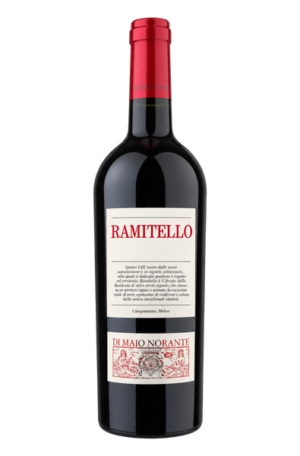
Di Majo Norante 2017 Ramitello Biferno Rosso
Italian Red
Montepulciano and Aglianico come from clay soils at one hundred metres in Campomarino. The wine spends about a month in contact with the skins and completes malolactic fermentation. Maturation takes place partly in cask and partly in stainless steel, followed by six months in bottle. Plum, leather, liquorice and spice appear within a full, soft and velvety profile.
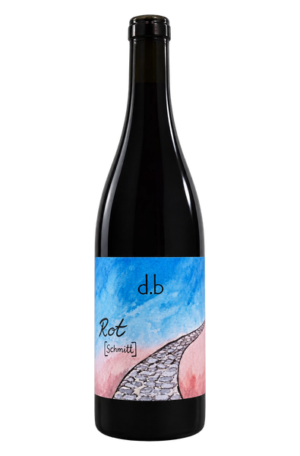
D.B. Schmitt 2017 Rot
German Red
Merlot, Pinot Noir, Portugieser and Dornfelder are macerated together for six weeks. Ageing lasts one year on gross lees in a 4,000-litre Bavarian oak cask. The wine is neither fined nor filtered, and no sulphite is added. Limestone, sandstone, loess and clay are present in the vineyard soils. The estate has organic certification and holds Demeter biodynamic certification.
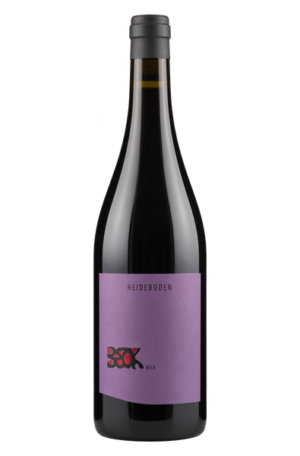
Judith Beck 2017 Heideboden
Austrian Red
Cherry, cassis and spice appear with ripe tannins and a juicy character. The blend contains Blaufränkisch and Zweigelt. The grapes are destemmed and macerated for eighteen days, while fermentation starts spontaneously. The wine completes malolactic fermentation and spends twelve months in used barriques. Bottling is unfiltered. The vines grow on sand and clay with limestone, under organic and biodynamic farming.
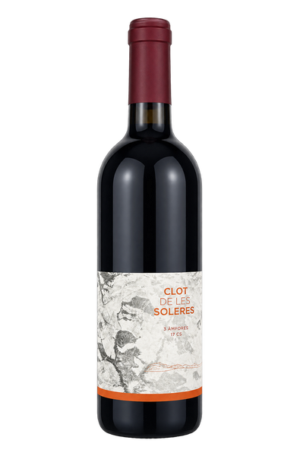
Clot de les Soleres 2017 Cabernet Sauvignon Àmfora
Spanish Red
Dark fruit, cinnamon, cacao and pine appear in this red wine from Penedès. It is made entirely from Cabernet Sauvignon. Grapes are harvested by hand in boxes and destemmed immediately. The must macerates with skins for twenty days before draining without pressing. Fermentation finishes in temperature-controlled stainless steel, and the wine spends at least eleven months in amphora.
Trefethen 2017 Dry Riesling
American White
Jasmine, honeyed white peach and grapefruit appear in a fresh, fragrant profile. Punchy lime acidity accompanies tropical and mineral characters, with freshness, verve and definition. The wine is dry and carries twelve and a half percent alcohol. It comes from the Oak Knoll District of Napa Valley, where the estate grows the Riesling used for this bottling.
Comando G 2017 Mataborricos
Spanish Red
Garnacha and Cariñena come from roughly five hectares of mountain vineyards on granite and sandy soils. The vines are farmed biodynamically, and the soil is worked by horse. Grapes are harvested by hand, macerated as whole bunches and fermented spontaneously with native yeast in open amphora. Maturation lasts twelve months in amphora. Fruit, balsamic and herbal notes accompany integrated tannins.
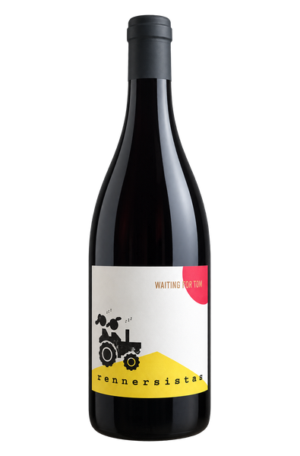
Rennersistas 2017 Waiting for Tom Rot
Austrian Red
Ruby-red and medium-bodied, this organic red brings raspberry, blackberry, red cherry and plum, with orange zest, tobacco and flinty character. The texture is juicy, with fine integrated tannins and a mineral finish. The blend combines Zweigelt, Sankt Laurent and Blaufränkisch. Maturation takes place in 500-litre and larger oak vessels, and the alcohol level is twelve percent.
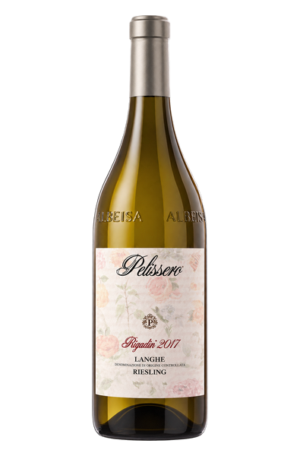
Pelissero 2017 Rigadin Langhe Riesling
Italian White
Golden colour with green highlights accompanies honey, butter, apricot, green pear, lemon and grapefruit. Flint, tobacco, tea, thyme, sage, nettles and hawthorn add further detail. The palate is concentrated and savoury, with acidity and mineral character. The Riesling vineyard sits at four hundred metres with a northern exposure, and low-temperature skin contact is used during production.
Milan Nestarec 2017 Forks & Knives Red
Czech Red
Cabernet Franc, Blaufränkisch, Cabernet Sauvignon and Pinot Noir come from twenty-year-old vines planted on sand in Moravský Žižkov. The grapes are destemmed and undergo carbonic maceration, followed by maturation in old large oak. The wine is made without added sulphur and contains twelve and a half percent alcohol. It is a red wine from the Czech Republic.
Campolargo 2017 Bical Barrica Bairrada
Portuguese White
Cinnamon, quince and green plum appear together in a perfumed profile with fresh fruit and acidity. The wine is light-bodied and it also has an almost oxidized character. Whole Bical grapes from clay-limestone soil are pressed and decanted before fermentation in used French oak barrels without temperature control. The wine remains in those barrels until bottling.
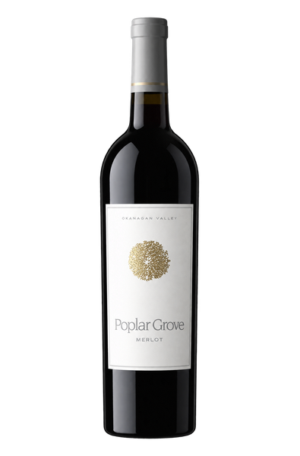
Poplar Grove 2017 Merlot
Canadian Red
Merlot forms eighty-five percent of the blend, joined by seven percent Malbec, five percent Cabernet Sauvignon and three percent Cabernet Franc. Fruit, baked flavours and chocolate appear in a dry profile. The wine spends twenty-one months in barrel, using twenty-five percent new oak and seventy-five percent one-to-three-year-old barrels, then another year in bottle. It comes from the Okanagan Valley in British Columbia.
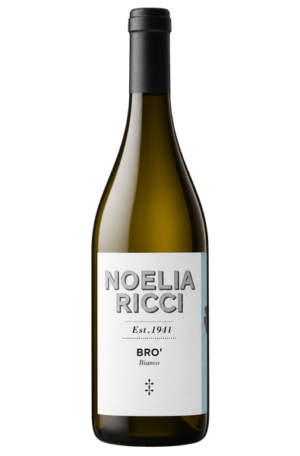
Noelia Ricci 2017 Bro’ Bianco Forlì IGT
Italian White
Bright lemon yellow in colour, the wine brings fresh citrus with spicy mineral notes recalling seashells. It is dry, made from Trebbiano, and contains 12.5 percent alcohol. The vineyards lie around fifty kilometres from the Adriatic, while maturation takes place only in stainless steel. The profile is light, with apple, pear and white flowers also present.
Domaine du Tix 2017 Cuvée Bramefan Ventoux
French Red
Ruby-purple colour with violet reflections accompanies fine wood, toast, prune, fig and macerated cherry. The bouquet is complex and deep, while the attack is highly spicy. Dusty blueberry, violet and graphite are also present. Full-bodied, the wine has firm, powdery tannins and black and blue fruit. Syrah makes up ninety-two percent of the blend, with eight percent Grenache.
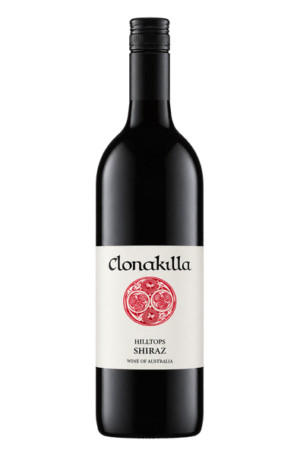
Clonakilla 2017 Hilltops Shiraz
Australian Red
Fresh herbs, smoky cedar, earth and spice accompany lightly peppered aromas. Red plum, ripe dark cherry, liquorice, clove and peppered meat define the flavour profile. The wine is medium-bodied, with richness, fine length and a juicy character. It is made from Shiraz grown in the Hilltops region of New South Wales, contains fourteen percent alcohol and is closed under Stelvin.
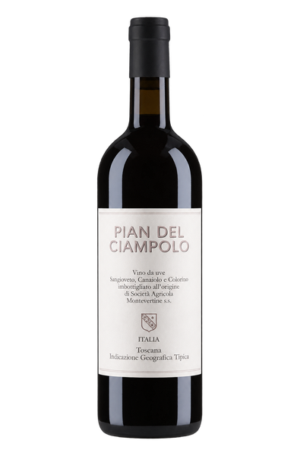
Montevertine 2017 Pian del Ciampolo Toscana IGT
Italian Red
Red fruit, strawberry, raspberry, blackberry, cassis, plum and floral notes define the profile. Sangiovese forms the blend with small amounts of Canaiolo and Colorino. The parcel covers 1.5 hectares and has an east-northeast exposure, producing a long growing season and complete grape maturation. The wine matures for eighteen months in large barrels and contains thirteen percent alcohol.
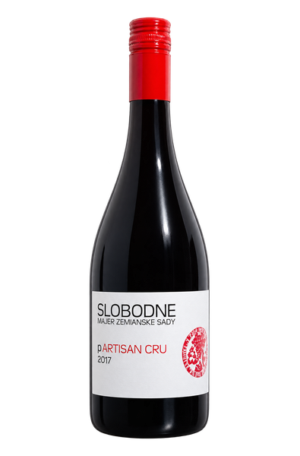
Slobodné Vinárstvo 2017 Partisan Cru
Slovak Red
Frankovka Modrá makes up about sixty percent of the blend, with thirty percent Cabernet Sauvignon and ten percent Alibernet. Grapes are grown in organic vineyards with biodynamic practices on calcium-rich loess soils at 200 metres with southwest exposure. Fermentation uses no selected yeast, enzymes or other additives. The wine is neither fined nor filtered, contains twelve percent alcohol and has twenty-four milligrams per litre of total sulfur.
Slobodné Vinárstvo 2017 Alternativa
Slovak Red
Cranberry and sage appear in a bright red with soft, silky texture and a lightly funky note. Made entirely from Frankovka Modrá, the wine comes from the Lopata vineyard in Slovakia's Small Carpathians. Fermentation on the skins lasts four weeks, followed by at least eighteen months in oak. Selected barrels are bottled without fining or filtration, and the wine contains thirteen percent alcohol.
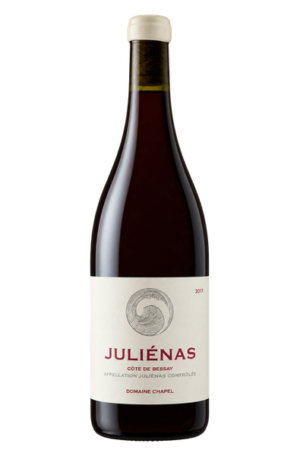
Domaine Chapel 2017 Juliénas Côte de Bessay
French Red
Red cherry and spice sit within a supple, fresh and bright profile. The wine is juicy and light in style, with crunchy red fruit and integrated tannins. Gamay comes from the four-hectare Côte de Bessay plot at the edge of Juliénas, where blue stones and granite are present. A low-extraction, carbonic approach is used in the cellar.
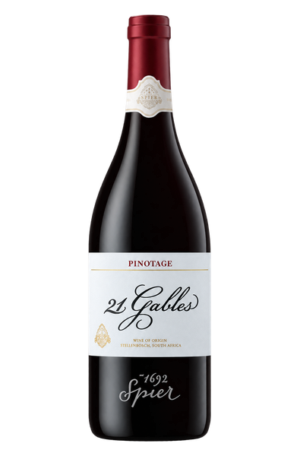
Spier 2017 21 Gables Pinotage Stellenbosch
South African Red
Deep ruby colour is present with caramelized black cherry, blackberry, allspice and dark chocolate. The palate is generous, with dense fruit, velvety tannins, balance and length. Grapes from the Stellenbosch vineyard are hand-harvested, destemmed and individually sorted. Fermentation takes place in stainless steel. The wine matures for twenty months in French, American and Hungarian oak barrels, using both first-fill and second-fill vessels.
All listed prices are before tax unless stated otherwise. Vintage availability may vary.