









Unsubscribe at any time.

Bordeaux
Bordeaux

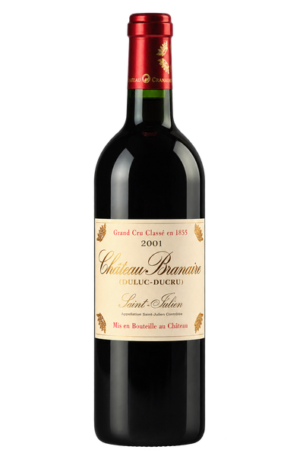
Château Branaire-Ducru 2001 Saint-Julien
French Red
$189.99
Ripe plum and dark berry fruit are framed by graphite, smoke and a floral lift. The palate has generous fruit, velvety tannins and a firm, dry core. It has depth without heaviness, with the balance between ripe fruit and structure giving this Saint-Julien both definition and an elegant finish.
Lillet Rosé Wine Aperitif
French Fortified
$29.99
Red fruit, orange blossom and grapefruit shape the profile. Rosy and brilliant in colour, the wine aperitif is fresh, lively and fruity, with a balanced structure, light acidity and a long aromatic finish. Selected white wines are combined with natural infusions of citrus, quinine and red fruit. The blend is not aged in oak and contains 17 percent alcohol.
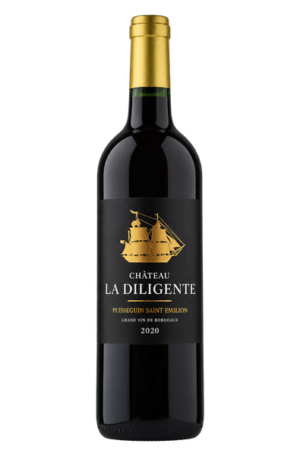
Château La Diligente 2020 Puisseguin-Saint-Émilion
French Red
$23.99
Firm texture and a full-bodied frame accompany black fruit, spice and richness. The wine carries fourteen percent alcohol. The estate occupies eight hectares of clay-limestone soils, with Merlot joined by Cabernet Franc and Cabernet Sauvignon. Fruit is harvested by hand and vinified in stainless steel. Maturation uses a combination of tanks, new barrels and previously used barrels.
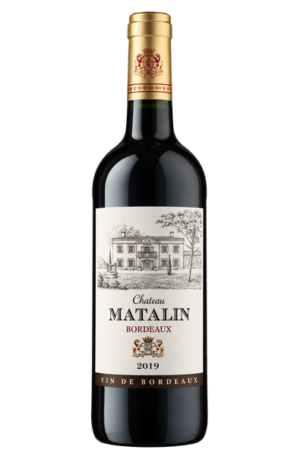
Château Matalin 2019 Bordeaux
French Red
$25.99
Dense cherry-red colour shows ruby reflections. Preserved red and black berries appear with floral and earthy notes. The palate is generous and structured, with tannins and fresh, slender fruit. The finish is flavourful and perfumed. The blend brings together Merlot, Cabernet Sauvignon and Cabernet Franc from vineyard parcels on clay, limestone and gravel soils in Targon and Capian.
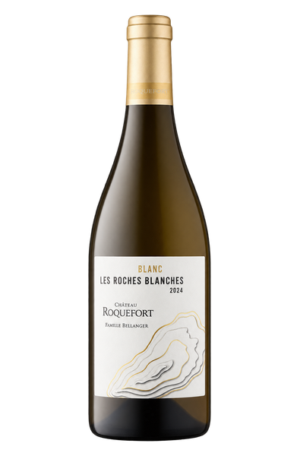
Château Roquefort 2024 Les Roches Blanches Sauvignon Blanc
French White
$29.99
Elderflower, lemon balm, jasmine and white peach appear with a fresh, intense profile and typical Sauvignon Blanc aromas. Vines average twenty years old and grow organically on clay-limestone soils containing fossilised oyster beds. Winemaking includes protection of the harvested fruit from oxidation, skin maceration and low-temperature fermentation. Ageing takes place in temperature-controlled stainless-steel vats. The wine contains twelve and a half percent alcohol.
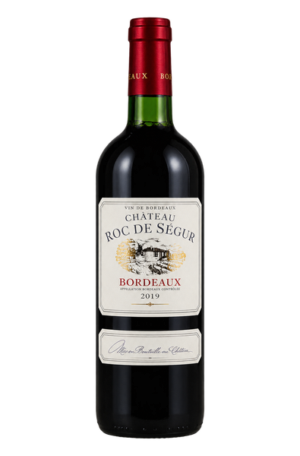
Château Roc de Ségur 2019 Bordeaux
French Red
$29.99
Raspberry and other red-fruit notes appear on a full, structured palate with silky, integrated tannins and a long finish. The blend contains seventy percent Merlot, twenty-seven percent Cabernet Sauvignon and three percent Cabernet Franc. Vines are more than thirty years old. Vinification takes place in stainless steel, and maturation lasts ten months in stainless steel. The wine contains thirteen and a half percent alcohol.
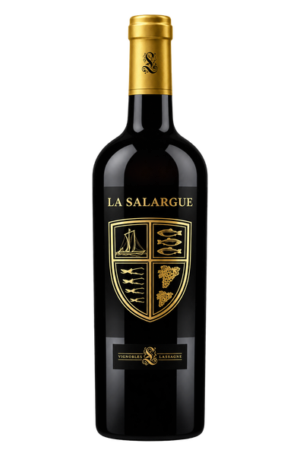
Château La Salargue 2023 Bordeaux Supérieur
French Red
$33.99
Deep ruby colour accompanies very ripe fruit. The palate is fleshy, structured and balanced. The vines grow on clay-silt soils over gravel on the left bank of the Dordogne at Moulon. The cuvée comes from a one-hectare parcel within a sixty-five-hectare property, with vines averaging thirty-five years. Maturation takes place for twelve months in concrete tanks.
Château Segonzac 2020 Vieilles Vignes
French Red
$33.99
Black fruit and vanilla oak sit within a broad, round profile with aromatic richness and a slight sweetness. This red comes from the Blaye-Côtes de Bordeaux appellation. The Vieilles Vignes cuvée draws on older vines, while the estate’s clay-limestone subsoil lies over a thick limestone platform. The vineyard carries certified organic status. Red plantings include Merlot, Cabernet Sauvignon, Malbec, Cabernet Franc and Petit Verdot.
Château Recougne 2021 Bordeaux Supérieur
French Red
$31.99
Red and black fruit accompany a deep, powerful structure. Silky tannins appear with freshness and light acidity. Merlot accounts for seventy-eight percent of the blend, with twelve percent Cabernet Franc and ten percent Cabernet Sauvignon. The estate’s three properties hold High Environmental Value Level III certification. The wine is red and carries 13.5 percent alcohol.
Château Roquegrave 2018 Médoc Cru Bourgeois
French Red
$34.99
Violet, blueberry, cassis, raspberry, liquorice, vanilla and toast appear in a ripe-fruit profile, with grey pepper and caramel also present. The palate is medium to full-bodied, with fine tannins, freshness, mineral notes and a delicate finish. Cabernet Sauvignon, Merlot and Petit Verdot make up the blend. The vineyard follows sustainable farming practices in the Médoc.
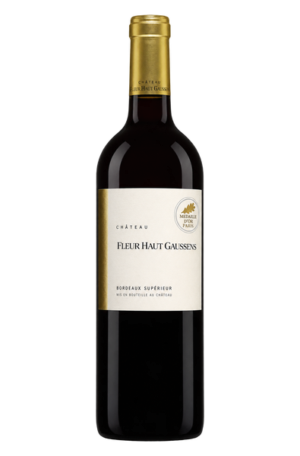
Château Fleur Haut Gaussens 2019 Bordeaux Supérieur
French Red
$38.99
Blackberry and cherry meet wooden tones in an expressive profile. The palate is silky, with a fine body and balanced, integrated tannins. Merlot accounts for eighty-five percent, while Cabernet Franc, Cabernet Sauvignon and Malbec each account for five percent. The red spends six months in French oak and is bottled at fourteen percent alcohol. Its clay-and-limestone vineyard is exposed to the south.
Château Penin 2024 Cabanes Bordeaux Blanc
French White
$37.99
Sauvignon Blanc accounts for forty percent of the blend, joined by thirty percent Sauvignon Gris and thirty percent Sémillon. The grapes come from a clay hillside over limestone. Fermentation lasts at least twenty days at fifteen degrees Celsius in concrete eggs, concrete tanks, stainless steel or oak barrels by parcel. Maturation lasts six months on fine lees with regular bâtonnage. Peach, pineapple, fresh fruit and a mineral finish shape the profile.
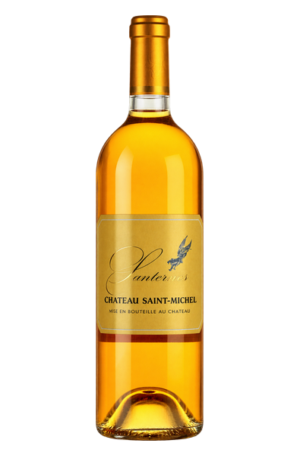
Château Saint-Michel 2011 Sauternes
French Dessert
$38.99
Sémillon leads the estate plantings at eighty percent, joined by fifteen percent Sauvignon and five percent Muscadelle. The two-and-a-half-hectare property lies on the heights of Illats, on the Bel Air plateau, where clay-limestone and gravel soils support Sauternes production. Careful, balanced viticulture is practiced across the parcels. Golden colour accompanies honey, apricot and exotic fruit, with an unctuous texture and a balance of sweetness and acidity.
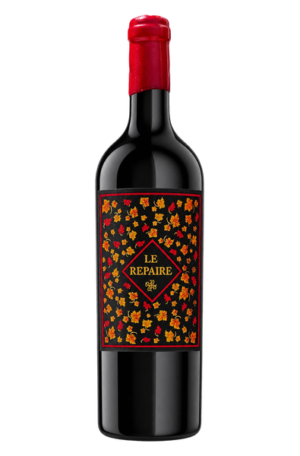
Vignobles Lassagne 2023 Le Repaire Lussac-Saint-Émilion
French Red
$41.99
Cabernet Sauvignon and Petit Verdot are used in equal proportions. The red has tangy freshness, pure fruit and creamy, fine, velvety tannins on a medium-bodied palate. Maturation takes place in concrete vats, and alcohol is thirteen and a half percent. The family property dates to nineteen fifty-two and covers forty-eight hectares across Bordeaux, Lussac-Saint-Émilion and Lalande-de-Pomerol.
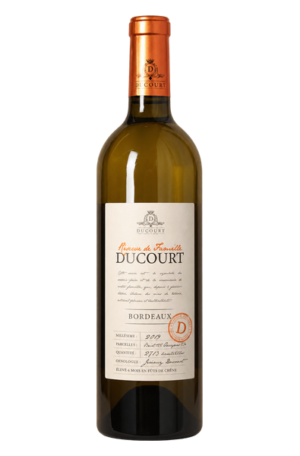
Famille Ducourt 2019 Réserve de Famille Bordeaux Blanc
French White
$41.99
Toasted and vanilla notes appear with citrus zest, acacia flowers and white peach. The palate is round, with white fruit, honey, freshness, structure and a long finish. Sauvignon Blanc and Sémillon form the blend. Fruit is selected from one plot for the vintage. Skin-contact maceration is used, followed by six months on fine lees in French oak barrels.
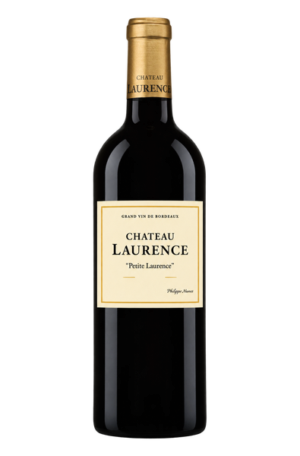
Château Laurence 2016 Petite Laurence Bordeaux Supérieur
French Red
$41.99
Coffee, oak, blackberry jam, plum and tobacco lead into a fruity, fresh and silky palate. Blackberry, strawberry and plum are framed by fine tannins. Merlot grows on clay and calcareous highlands for this Bordeaux Supérieur, with temperature-controlled fermentation in stainless steel followed by 16 months in French oak.
Château de Pitray 2016 Castillon Côtes de Bordeaux
French Red
$44.99
Ripe black fruit, spice and floral notes accompany an ample palate. The structure is solid, with freshness, velvety tannins and a long savoury finish. The blend comprises seventy-five percent Merlot, twenty-three percent Cabernet Franc and two percent Malbec. Vines grow on a clay-limestone plateau. Part of the wine matures in cement and part in oak for about twelve months.
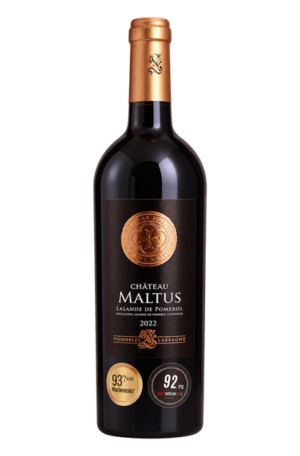
Château Maltus 2022 Lalande-de-Pomerol
French Red
$44.99
Blackcurrant, coffee, graphite, oak and undergrowth define the aromatic profile. The dry, full-bodied palate is generous, with present acidity and balanced wood. Structure and a polished texture accompany spice, pepper, dense black fruit and rich tannins. The fruit comes from vines averaging sixty-five years of age, and maturation lasts eighteen months in wood. Merlot accounts for seventy percent of the blend.
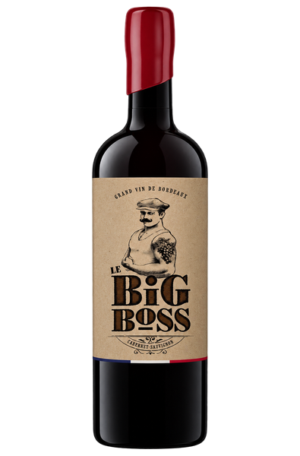
Vignobles Lassagne 2023 Le Big Boss Lussac-Saint-Émilion Cabernet Sauvignon
French Red
$39.99
Deep purple in colour, with intense fruit and spice. The palate is round and powerful, with silky tannins, red fruit and blackcurrant. The wine is made entirely from Cabernet Sauvignon grown on fifty-year-old vines in clay-limestone soil. It matures for eight months in cement tanks. The vineyard is in conversion to organic farming, and the wine contains thirteen-and-a-half percent alcohol.
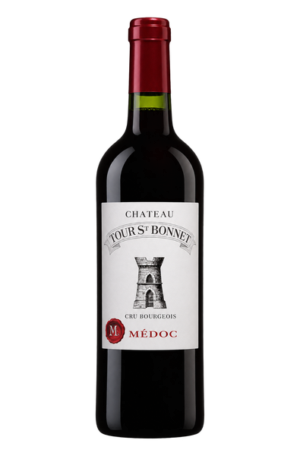
Château Tour Saint Bonnet 2018 Médoc
French Red
$46.99
Refined crushed-berry fruit appears with cassis and subtle oak. The palate is full-bodied, with grainy tannins and balanced structure. Cabernet Sauvignon, Merlot, Malbec and Petit Verdot form the blend. Fermentation takes place in traditional cement tanks, followed by eighteen months in large oak foudres. The vineyard occupies gravel soils near Saint-Christoly in the northern Médoc.
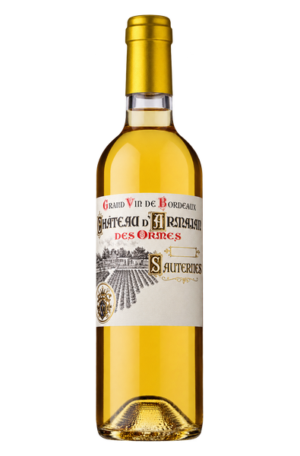
Château d’Armajan des Ormes 2020 Sauternes 375 mL
French Dessert
$46.99
Semillon, Sauvignon Blanc and Muscadelle form the blend. Mango, dried apricot, honeyed yuzu, vanillin and candied ginger appear with luscious sweetness and citrus acidity. Tea leaf and cinnamon are present on the finish. The fruit is harvested in five vineyard passes, and the wine matures for twenty-four months in barrel. It contains fourteen percent alcohol.
Château Le Grand Verdus 2015 Bordeaux Blanc
French White
$57.99
A round profile and comparatively low acidity place particular emphasis on apricot and nectarine, while the overall character remains fresh and clean. Sauvignon Blanc makes up sixty percent of the blend, with thirty percent Semillon and ten percent Muscadelle. The wine is white, comes from the Bordeaux region of France and carries the Bordeaux Blanc appellation.
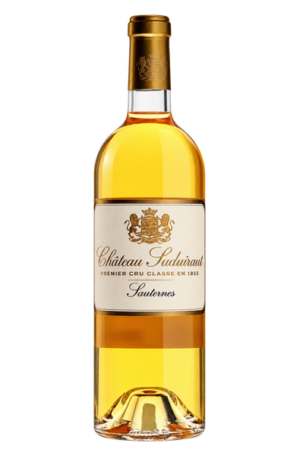
Château Suduiraut 2010 Sauternes
French Dessert
$161.99
Harvesting ran from late September to early November in five vineyard passes. The blend combines ninety percent Semillon with ten percent Sauvignon Blanc. Maturation lasts twenty months, split evenly between new barrels and barrels used for one previous wine. The finished wine has fourteen percent alcohol, 145 grams per litre of residual sugar and 3.6 grams per litre of total acidity.
Comtesse de Malet Roquefort 2022 Bordeaux Rouge
French Red
$49.99
Ripe red fruit and subtle spice accompany a supple palate, fine tannins and freshness. The blend is ninety percent Merlot and ten percent Cabernet Franc. Grapes are selected rigorously, with most sourced from family properties. The vines grow in sandy clay soils. The wine honours Countess Isabeau, the first Malet Roquefort owner of Château La Gaffelière in 1705.
La Familia Mauvinon 2024 Bordeaux Blanc
French White
$51.99
Lively citrus, white flowers and mineral notes lead to a chiselled, direct palate. Stéphane Defraine makes this Sauvignon Blanc from hand-harvested grapes, fermenting it at low temperature in stainless steel outside the château. Contains sulphites.
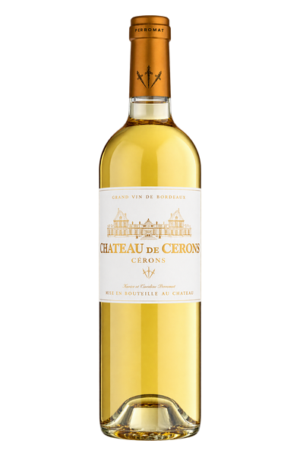
Château de Cérons 2016 Cérons 375 mL
French Dessert
$51.99
The colour is bright yellow. Restrained apricot, peach and lemon-zest notes appear with candied orange peel and vanilla. The wine is sweet and medium-bodied. Botrytis spice, mushroom powder, tension and length are also present. Botrytised berries are selected in successive passes, pressed slowly and fermented naturally in barrel. Sémillon, Sauvignon Blanc and Muscadelle form the blend, and maturation in barrel lasts two to three years.
Olivier Rivière 2024 Plaisir Simple Côtes de Bourg
French Red
$54.99
Cherry, cassis and ripe red fruit accompany a supple, velvety texture, fine tannins, freshness and a lightly mineral finish. The blend combines Merlot and Malbec. Grapes are harvested by hand and sorted twice. Parcel selections undergo maceration and fermentation in neutral tanks, followed by ageing in vessels chosen for the conditions and yield of the harvest. Alcohol is twelve percent.
Château Pailhas 2022 Saint-Émilion
French Red
$54.99
Red fruit, blackcurrant, blackberry, Morello cherry and spice shape the profile. The blend is eighty percent Merlot and twenty percent Cabernet Franc. The vines average thirty-five years on clay-limestone soils and are mechanically harvested. Vinification takes place in concrete and stainless-steel tanks. Ageing is divided evenly between new barrels and barrels that have held at least one wine.
Château Gigault 2001 Cuvée Viva Premières Côtes de Blaye
French Red
$54.99
Blackberry and boysenberry fruit accompany floral, plum and raspberry notes. Merlot forms ninety percent of the blend, with Cabernet Sauvignon accounting for the balance. The profile is light to medium in body, with silky tannins and fine mid-palate sweetness. The middle is defined, the fruit is not overdone, and the finish is medium in length.
Château Jacques Noir 2018 Saint-Émilion
French Red
$59.99
Made entirely from Merlot grown on clay, this red is aged in barrel. Ample, deep fruit accompanies blackcurrant, spice and wood-aged flavours. The palate has a firm, fine tannic structure. Production for this release amounted to 48,400 bottles, and alcohol is fourteen percent. Brilliant ruby colour, red fruit and toasted notes are also part of the profile.
All listed prices are before tax unless stated otherwise. Vintage availability may vary.