











Cinsault
Cinsault
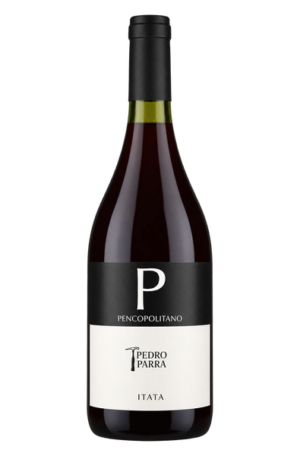
Pedro Parra y Familia 2019 Pencopolitano
Chilean Red
$44.99
Grapes from forty-five- to one-hundred-and-twenty-year-old vines include Cinsault, Carignan, Malbec, Syrah, Carmenere and Pais, drawn from Southern Chile’s Itata and Maule regions at two hundred fifty to three hundred fifty metres. Red granite, sandy and quartz soils underpin the sites. Each component is fermented with native yeast in stainless steel and cement before blending. Pitch, black raspberry, thorns and earthy character meet tight minerality, with cassis grip on the finish.
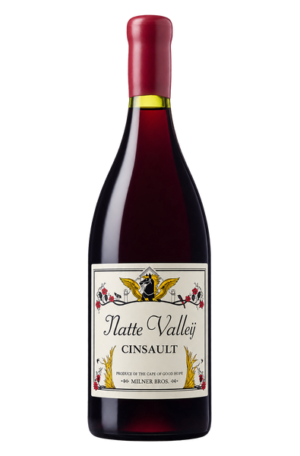
Natte Valleij 2021 Coastal Cinsault
South African Red
$41.99
Earthy wild strawberry, red fruit and dusty rose meet floral, potpourri and spicy freshness. The palate is medium-bodied and fleshy, with mineral tension and a soft finish. Cinsault comes from five dryland bush-vine parcels ranging from fourteen to fifty years old. The wine is wild fermented, matured in concrete eggs and foudres, bottled unfiltered and classified as vegan.
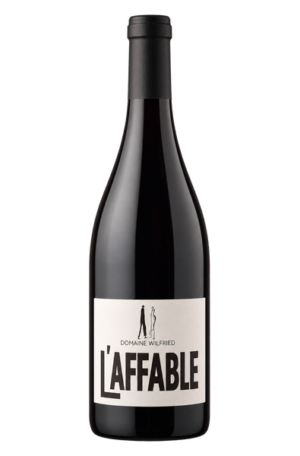
Domaine Wilfried 2019 L’Affable Côtes du Rhône
French Red
$39.99
The blend brings together Carignan, Cinsault, Grenache Noir and Syrah. Grapes at the estate are harvested by hand and sorted, while fermentation uses native yeasts without oenological additions. Maturation takes place mainly in concrete vats. Depending on the release and cuvée, a light sulphur addition may follow malolactic fermentation or precede bottling. The vineyards are organically certified.
Gérard Bertrand 2024 Hampton Water Rosé
French Rosé
$40.99
Pale pink in colour, the wine brings together red-fruit, citrus and spice notes with minerality, freshness and intensity. Grenache, Cinsault, Mourvèdre and Syrah are harvested separately. The fruit is destemmed, cooled and pressed, then fermented for fifteen to more than thirty days. A portion of the wine is handled in barrel before the final blend is assembled.
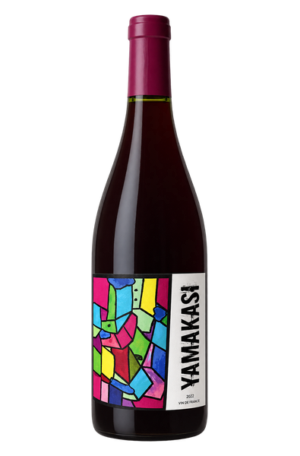
Domaine Duseigneur 2022 Yamakasi Rouge
French Red
$41.99
Red fruit and herbs appear in a fresh, lively profile with supple tannins. Grenache, Syrah and Cinsault form the blend. Indigenous yeasts drive natural fermentation, and no sulphites are added. The wine is certified organic and made under France’s Vin Méthode Nature framework, with minimal cellar intervention. The finished wine is dry and carries thirteen and a half percent alcohol.
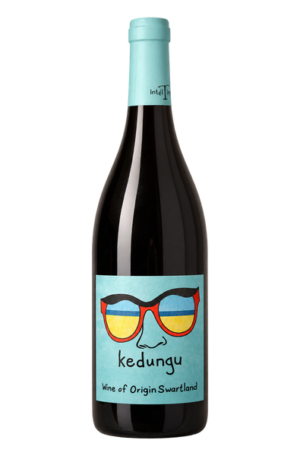
Intellego 2021 Kedungu
South African Red
$42.99
Hand-harvested Mourvèdre, Cinsault, Syrah and Pinotage were fermented separately, mostly under carbonic conditions, with some open-top semi-carbonic treatment. After eight days, the lots were pressed into neutral French barrels, aged for ten months, blended and bottled unfined and unfiltered with a small sulphur addition. Red and black berries, wild herbs, earth and black pepper appear with tart-fruit acidity and a long finish.
De Martino 2022 Ungrafted Cinsault
Chilean Red
$42.99
Fruit comes from ungrafted Cinsault vines more than forty years old in Guarilihue, Itata. No machinery is used in the vineyard. The grapes are destemmed and fermented in stainless steel, then aged for six months in neutral French barrels. Red fruit and savoury notes are present, with moderate acidity and freshness. The vines are farmed without synthetic pesticides, fertilizers or herbicides.
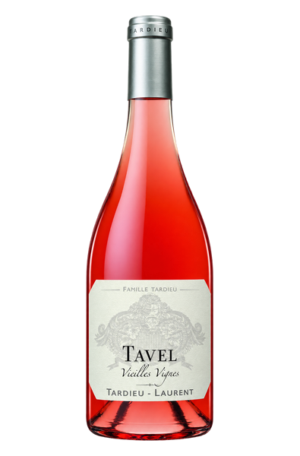
Tardieu-Laurent 2024 Tavel Vieilles Vignes
French Rosé
$48.99
Rolled pebbles, red clay and sand define the vineyard soils. The blend is sixty percent Grenache, twenty-five percent Cinsault and fifteen percent Syrah from vines between forty and fifty years old. Maturation lasts six months in concrete tanks. The wine is bottled without fining and with light filtration. Its palate is chiselled, tighter and less full than usual.
Domaine de Rimauresq 2024 Côtes de Provence Cru Classé Rosé
French Rosé
$46.99
White peach and citrus appear in this salmon-pink rosé. The palate is creamy, with citrus freshness. The blend comprises Grenache Noir, Cinsault, Syrah, Mourvèdre, Rolle, Cabernet Sauvignon, Carignan and Tibouren. The vineyard lies beneath the Maures Massif on schist and clay soils, and it is farmed organically. The wine contains twelve and a half percent alcohol.
French Door Estate Winery 2025 Rosé Okanagan Valley
Canadian Rosé
$47.99
The aromas include wild strawberry, cherry and rose petals. The palate has watermelon, redcurrant, bright fruit and crisp energy, with a clean, savoury finish. Grenache, Mourvèdre, Cinsault and Pinot Noir were direct-pressed and fermented separately in stainless steel at cool temperatures. The wine remained on gross lees for one month, was blended, and spent four months in tank before bottling.
Le Vieux Pin 2024 Désir Rosé
American Rosé
$49.99
Very pale baby pink in colour, with strawberry sorbet, sour cherry, watermelon and violet. The Cinsault comes from Wahluke Slopes in Washington. After four hours on the skins, the juice was gently pressed. The wine spent five months in stainless steel. River stones, mandarin peel and fine spice are also present, together with a sleek, saline and slender profile. Alcohol is thirteen percent.
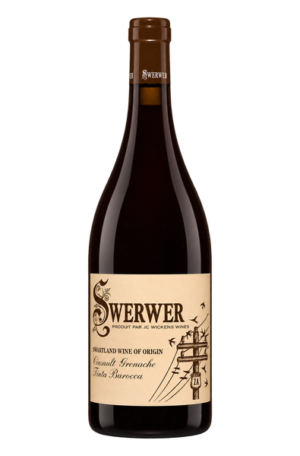
Swerwer 2022 Red Blend
South African Red
$49.99
Crushed plum, wild blackberry, cherry and anise accompany fynbos, dried herbs, fine black-tea tannins and a lingering saline finish. The palate is juicy. Cinsault and Grenache from granite soils are co-fermented with ten percent Tinta Barocca from a drier, clay-soiled vineyard. Native yeasts are used for fermentation, and the wine spends eleven months in large, old oak foudre.
Bunan 2020 Moulin des Costes Rouge Bandol
French Red
$59.99
Blackberry, raspberry and red-fruit notes accompany delicate oak. The palate is rich and balanced, with smooth tannins. Mourvèdre makes up seventy percent of the blend, with twenty percent Cinsault and ten percent Syrah. The grapes are organically cultivated and harvested by hand. Maturation lasts eighteen months in traditional foudres and barrels. The colour is dense ruby red.
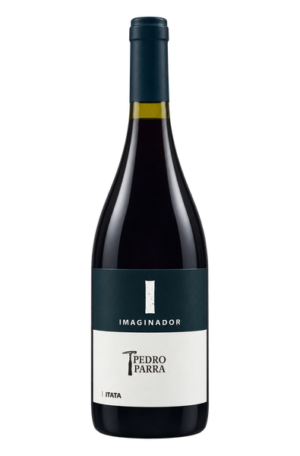
Pedro Parra y Familia 2022 Imaginador Cinsault Itata
Chilean Red
$56.99
Brambly berries, pomegranate, rosehip and white pepper appear with dried flowers, smoke and spice. The palate is bone dry, with taut tannins and a stony mineral finish. Cinsault comes from four old vineyards on granite soils in Guarilihue Alto. Whole clusters ferment with indigenous yeast in oak tanks at low temperatures for fifteen days, while maceration lasts twelve days. Ageing lasts one year in concrete and large oak casks.
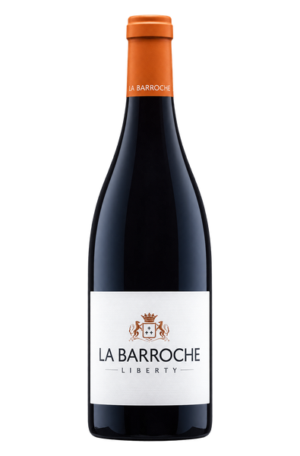
Domaine la Barroche 2021 Liberty Vin de France
French Red
$56.99
Juicy black raspberry, violets, peppery herbs and minerality appear in a concentrated, structured profile. The blend is 52% Grenache, 18% Cinsault, 13% Mourvèdre, 12% Syrah and 5% Carignan. The vines average sixty-five years old and grow at 125 metres on sand, blue and red clay and river stones. Vinification takes place in underground concrete vats, with more than four weeks on skins. Ageing lasts twenty months in old oak casks and 600-litre barrels.
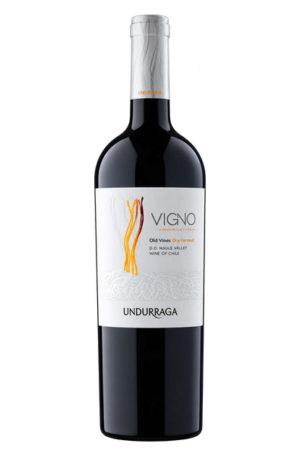
Undurraga 2021 VIGNO Carignan Maule Valley
Chilean Red
$58.99
Deep ruby colour accompanies raspberry, cherry, subtle smoke and black pepper. The palate carries red fruit and spice with freshness, fine tannins and balanced tension. The finish is long and persistently spicy. The blend is eighty-eight percent Carignan and twelve percent Cinsault. Its old bush vines grow on south-facing granite slopes in dry-farmed Maule countryside northeast of Cauquenes.
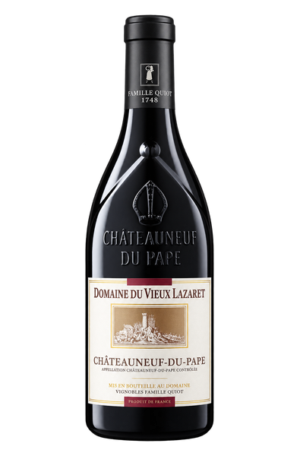
Domaine du Vieux Lazaret 2023 Châteauneuf-du-Pape
French Red
$61.99
Cherry and anise appear with red berries and sweet spice. Rooibos tea and sandalwood smoke are also present. The palate is textured, generous and dense, with polished tannins and a full body. The blend consists of sixty percent Grenache, twenty-five percent Syrah, ten percent Mourvèdre and five percent Cinsault. The wine is dry, red and fifteen percent alcohol.
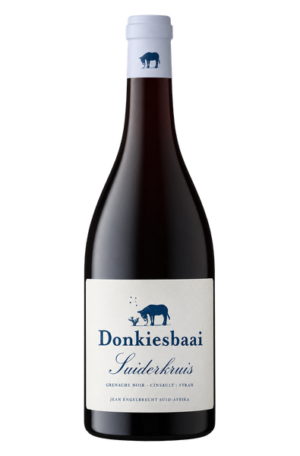
Donkiesbaai 2019 Suiderkruis Piekenierskloof Red
South African Red
$64.99
Cinsault accounts for forty-nine percent of the blend, Grenache Noir forty-two percent and Syrah nine percent. The varieties mature separately for twelve months in seasoned 500-litre French oak barrels. Cranberry, watermelon, blueberry and cinnamon are present, with delicate tannins, earth and new leather. The finish carries cranberry and redcurrant. Alcohol is 12.96 percent, and the wine comes from Piekenierskloof.
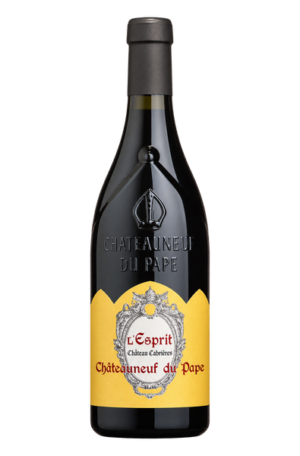
Château Cabrières 2017 Châteauneuf-du-Pape
French Red
$119.99
Dark cherry, fig and dried cranberry appear with light leather and spice. The wine is full bodied and tannic, with 15.5 percent alcohol. Grenache, Syrah, Mourvèdre and Cinsault form the blend. Red plum and kirsch are also present, along with freshness and a spicy finish. Part of the wine was aged in barrels for twelve months. The vineyards belong to Châteauneuf-du-Pape in the Rhône Valley.
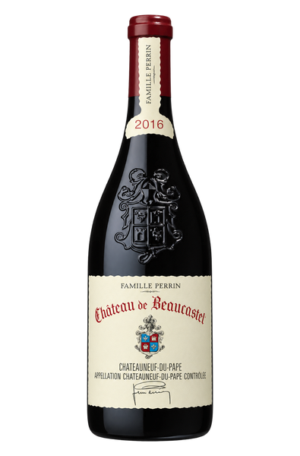
Château de Beaucastel 2016 Châteauneuf-du-Pape
French Red
$219.99
Deep ruby colour appears with a fresh chocolate note. The wine is round, with ripe fruit, soft tannins, good length, acidity and balance. Grenache and Mourvèdre each account for thirty percent of the blend, with fifteen percent Syrah, ten percent Counoise and five percent Cinsault. The remaining ten percent comprises eight other permitted varieties. The grapes are grown organically.
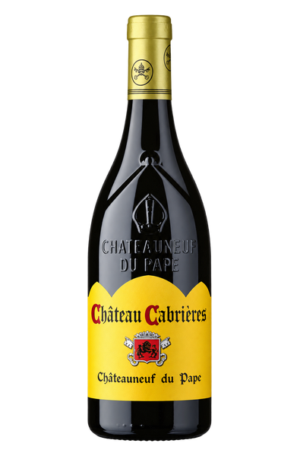
Château Cabrières 2018 Châteauneuf-du-Pape
French Red
$84.99
Deep ruby colour accompanies ripe dark berries, cherry and pungent flowers. A spicy element develops with air. The palate is broad and pliant, with juicy cherry cola, black raspberry and a hint of liquorice. Even tannins are present, along with a persistent finish carrying cherry and spice. The blend comprises Grenache, Syrah, Mourvèdre and Cinsault from the Châteauneuf-du-Pape appellation.
Undurraga 2023 Red Field Blend
Chilean Red
$67.99
Deep garnet colour with violet hues accompanies peppermint, pepper, violets, lavender, blackberry and red fruit. Raspberry and cherry appear with firm tannins, freshness, light toast and a long finish. The field blend is mainly Malbec, with Carignan, Cabernet Sauvignon, Cinsault and País. Old dry-farmed vines grow in Maule, and the co-fermented wine spends fourteen months in mostly neutral French oak.
Domaine d’Aupilhac 2022 Lou Maset Languedoc Rouge
French Red
$42.99
Cherry, raspberry and blackberry lead the documented fruit profile, joined by savoury herbs. The palate is medium-full and juicy, with a mineral backbone. A second exact record describes the wine as robust, fruity and refreshing, with fullness, silky tannins and a spicy finish. Cinsault and Grenache are the two varieties consistently supported by the retained exact-vintage evidence.
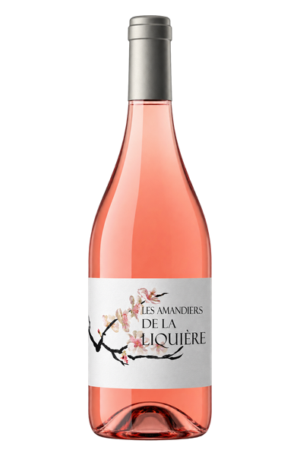
Château de la Liquiere 2021 Les Amandiers Rosé
French Rosé
$38.99
Raspberry and redcurrant rise from a bright, refreshing palate, joined by a gentle caramel nuance. Cinsault, Mourvedre and Grenache from schist soils give the wine both fruit clarity and a lightly savoury frame. Direct pressing and cool fermentation preserve freshness, while short tank ageing keeps the texture clean and supple. It finishes lively and mouth-filling, with red berries, gentle caramel and a clean, refreshing close.
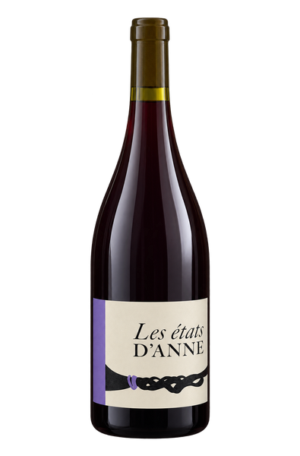
Autour de l’Anne 2023 Les États d’Anne
French Red
$45.99
Fresh red fruit opens with an energetic, lightly smoky edge. The palate is bright and tingly, with semi-carbonic crunch giving the Cinsault and Grenache blend a lively, chillable texture. Fine spice adds definition without muting the fruit, while concrete fermentation keeps the profile clear and direct. It finishes crisp and savoury, leaving red berries, smoke, gentle spice and a refreshing snap.
De Martino 2018 Viejas Tinajas Cinsault
Chilean Red
$56.99
Violets, fresh red and black fruit and a measured spice note shape a fragrant, lifted nose. Medium-bodied and supple, the palate combines smooth tannins with bright acidity, gentle earthy depth and a long, savoury finish. Traditional clay-amphora ageing keeps the fruit clear and the texture unforced. Pair with roast chicken, charcuterie, mushrooms or grilled vegetables.
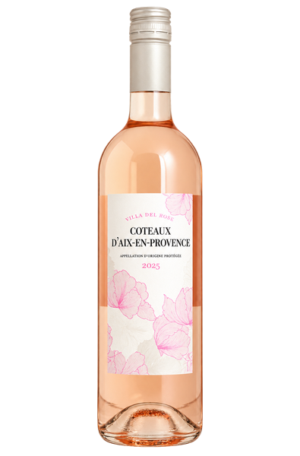
Villa del Rose 2025 Coteaux d’Aix-en-Provence Rosé
French Rosé
$21.99
Wild strawberry, white peach and watermelon lead, with fresh citrus, delicate flowers and a light herbal note adding lift. The palate is crisp and light-bodied, carrying raspberry, pink grapefruit and ripe melon over bright acidity and a clean mineral edge. Dry and elegant through the finish, this is a versatile rosé for seafood, salads or charcuterie.
Plaisir’Ose 2025 Méditerranée Rosé
French Rosé
$17.99
Pale and easygoing, with fresh strawberry, raspberry and citrus giving the nose a bright, uncomplicated lift. The palate is dry and refreshing, with gentle red-fruit sweetness balanced by clean acidity and a light, crisp finish. A versatile rosé for fried chicken, margherita pizza, grilled vegetables or a chilled summer aperitif.
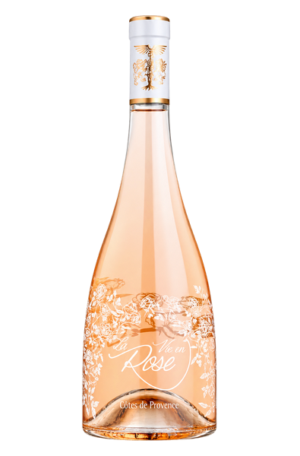
Château Roubine 2022 La Vie en Rose Rosé
French Rosé
$39.99
Ripe red berry fruit leads, with strawberry and raspberry tones joined by fragrant orange peel and a light floral lift. The palate is dry and softly rounded, while bright acidity keeps the fruit precise and refreshing. A clean, citrus-edged finish gives this poised rosé enough depth for the table.
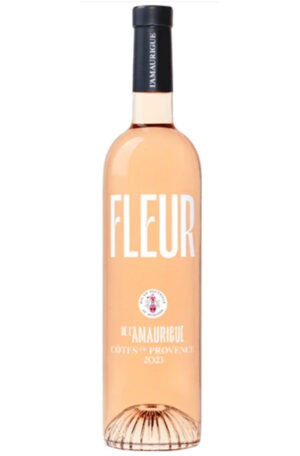
Domaine de l’Amaurigue 2024 Fleur de l’Amaurigue Côtes de Provence Rosé
French Rosé
$29.99
A delicate Provence rosé with grapefruit, white peach and fresh citrus on the nose. The palate is light-bodied and rounded, with bright acidity bringing clarity to the soft fruit and a clean, lingering finish. Refreshing and well balanced, it suits shellfish, salads, grilled vegetables or an unhurried glass on a warm afternoon.