








Loire Valley
Loire Valley
Domaine François Chidaine 2022 Touraine Rouge
French Red
$42.99
Equal parts Côt, Cabernet Franc and Pinot d’Aunis come from biodynamically farmed vineyards around Montrichard and Chissay-en-Touraine. Red fruit, faint minerality and pepper shape the profile, supported by medium tannins, bright acidity and moderate complexity. The blend carries good concentration and length, while the three varieties remain clearly integrated. Plenty of character completes the profile.
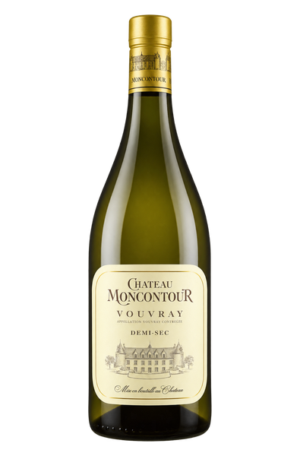
Château Moncontour 2025 Vouvray Demi-Sec
French White
$41.99
Chenin gives a pale-yellow colour with green tints. Citrus, white flowers, apricot and green apple accompany a rich, fresh profile. The palate is soft, round and sweet, with acidity and an almost dry finish. Fruit comes from the La Monaco plot on chalky clay soil. Fermentation lasts one month in temperature-controlled tanks. Maturation lasts three months with fining and regular racking.
Château Moncontour Vouvray Brut
French Sparkling
$41.99
Fine bubbles accompany white-fruit and floral scents. The palate is lively and powerful, with apricot and a rich, harmonious character. This white sparkling wine is made entirely from Chenin in Vouvray using the traditional method. The cuvée comes from a family estate in the Loire Valley. The wine contains 12.5 percent alcohol and 6.6 grams per litre of residual sugar.
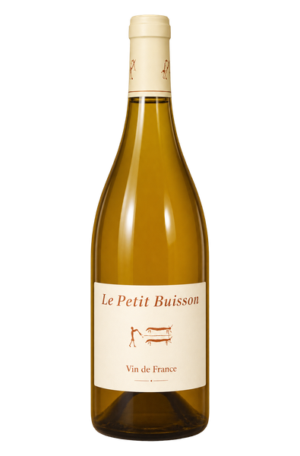
Clos du Tue-Boeuf 2020 Le Petit Buisson
French White
$45.99
Made from Sauvignon Blanc, the wine shows ripe apple, fresh herbs, citrus and flint. It is medium-bodied and refreshing, with bright acidity, a delicate texture and a long finish. Grapes are hand harvested and gently pressed. Fermentation occurs in neutral vessels with wild yeast, followed by six months on the lees in Burgundy barriques. It is bottled without fining or filtration.
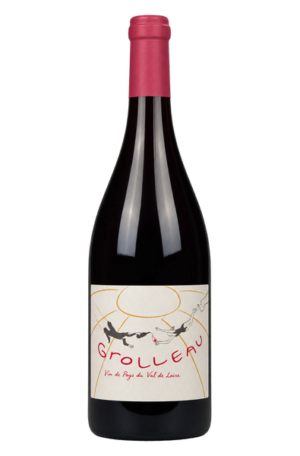
Catherine & Pierre Breton 2023 Grolleau
French Red
$49.99
Made from Grolleau, this red comes from the Loire and carries 10.4 percent alcohol. The estate’s vineyards are certified biodynamic and receive organic care without chemical treatments. Harvest is by hand. Fermentation uses indigenous yeasts, sulphur is kept to a minimum, and the wines are bottled without filtration. The release is classified as Vin de Pays du Val de Loire.
Domaine Bernard Baudry 2009 Chinon La Croix Boissée
French Red
$69.99
Dark pomegranate and black-cherry character appear with black pepper, rose petals and other floral notes. The wine is mineral and intensely structured, with ripe tannins and a long finish marked by acidity. Fruit comes from a steep, south-facing site covered in chalk with little topsoil. Cabernet Franc was fermented in wooden vats for twenty to thirty days and matured in oak for as long as eighteen months.
Pierre-Olivier Bonhomme 2020 Vercheny Rouge
French Red
$47.99
The release is made entirely from Pinot Noir grown in the Cheverny area on clay-and-sand soils. The clay is associated with concentration and depth, while the sandy ground is associated with fruit character. The harvest yielded thirty-five hectolitres per hectare. Because the blend contains no Gamay, the wine is presented as Vin de France rather than under the Cheverny appellation.
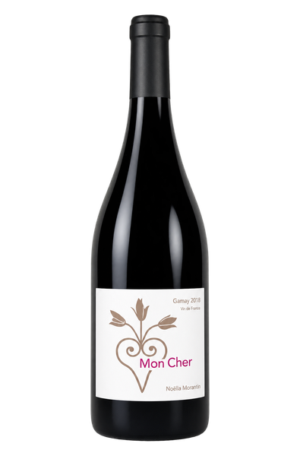
Noëlla Morantin 2018 Mon Cher
French Red
$41.99
Gamay from the Loire Valley forms this natural red wine. The grower’s parcels were already farmed organically when she began working them. After training in viticulture and oenology, she worked alongside natural-wine producers in the Loire and Burgundy before making her first vintage. She later became the owner of the vineyards and retained one hectare planted to Gamay.
Les Vins Contés 2020 Pow Blop Wizz Pétillant Rosé
French Sparkling
$43.99
Two days of skin contact in stainless steel precede fifteen days of fermentation. The wine is bottled while sugar and yeast remain, then finished without filtration, fining or added sulphur. Grenadine, cherry and wild-strawberry notes accompany soft bubbles and fresh acidity. The colour recalls acerola, while the finish carries a juicy, fruit-driven character. Alcohol is 11%.
Peltier-Ravineau 2025 Balle dans le Pied Rouge
French Red
$42.99
Gamay and Côt make this Vin de France red from the Loire Valley. After two years focused on farming, the growers began bottling their own wines from their project in Valaire. Their domaine covers five hectares, while some cuvées also use purchased fruit. Cellar vessels include fibreglass, old barrels and truncated wooden tanks, and pressing is handled with a vintage Vaslin press.
Peltier-Ravineau 2025 Balle dans le Pied Blanc
French White
$42.99
Sauvignon makes this fresh, organically certified Vin de France white. After two years focused on farming, the two growers began bottling their own wines, having studied viticulture and oenology in Beaune and gained experience with local and Burgundian mentors. Their five-hectare project is based in Valaire, near Cheverny, and works with limestone and flint soils. Cellar vessels include fibreglass, old barrels and truncated wooden tanks.
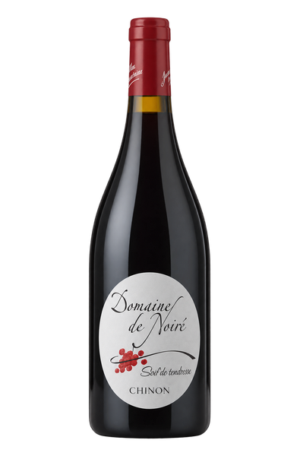
Domaine de Noiré 2024 Soif de Tendresse Chinon
French Red
$42.99
Cabernet Franc from 25- to 30-year-old vines grows on clay-siliceous plateaus. The organically certified fruit is hand harvested after grass cover, debudding and early leaf removal. A 48-hour cold maceration precedes five days of alcoholic fermentation at 20–22°C. Dark ruby colour and fresh red fruit accompany a tender, round and pulpy profile, with discreet tannins and a fresh finish.
Vignoble de la Jarnoterie 2023 Préludise Rosé Saint-Nicolas-de-Bourgueil
French Rosé
$42.99
Bright and crisp, this dry rosé brings red-currant freshness, pepper and acidity. It is made entirely from Cabernet Franc grown on sand over clay in the Loire Valley. The wine is produced by the saignée method and fermented in stainless steel. The vineyards are farmed sustainably under HEV3, and the bottling closes with natural cork.
Château de Sancerre 2022 Cuvée du Connétable Sancerre
French White
$94.99
Made entirely from Sauvignon Blanc, this dry white comes from Sancerre. The cuvée selects fruit from the château’s leading parcels, including limestone and flint soils. The release was marked by noble oak and had capacity for further ageing. The estate’s vineyard covers fifty-seven hectares across four soil types, with vines averaging thirty years of age.
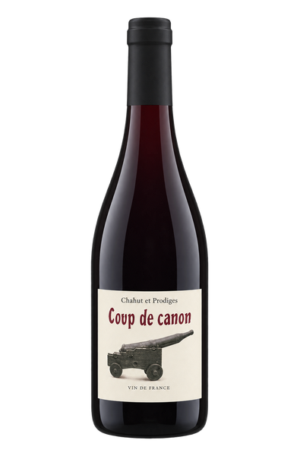
Chahut et Prodiges 2019 Coup de Canon
French Red
$44.99
Purple-red colour accompanies anise, violet and prune. The profile includes a faintly crisp opening, berry character, tannin and acidity. Grolleau comes from ninety-year-old vines on clay-flint soil. Whole clusters macerate in concrete and are pressed; fermentation and maturation take place in fibreglass tank. The cuvée is a red Vin de France from the Loire Valley and is bottled without added sulphur.
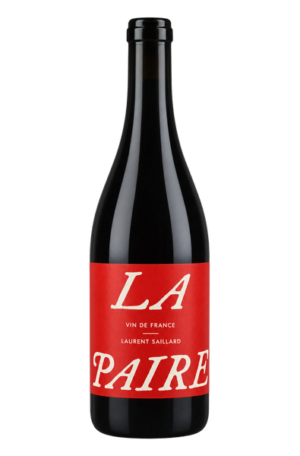
Laurent Saillard 2021 La Paire
French Red
$47.99
Fruit comes from Julien Moreau’s Domaine de Cambalu vineyards beside the Cher, a Loire tributary east of Tours, where vines grow on clay-limestone soils. Gamay and Grolleau are co-fermented for this red wine, which has eleven-point-five percent alcohol. The cuvée joined the range for this release and was made from grapes grown by another vigneron.
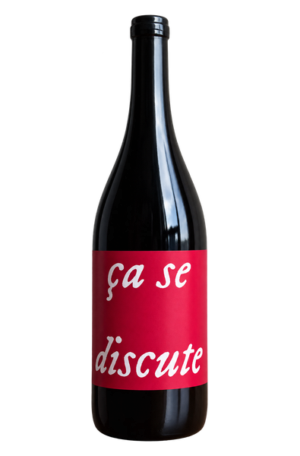
Laurent Saillard 2022 Ça Se Discute
French Red
$49.99
Fresh, fruity and juicy, with a light peppery thread that is fully integrated. Pineau d’Aunis from certified-organic, biodynamically farmed vines is used. The grapes undergo six days of whole-cluster maceration and mature in fibre tanks, with no sulphur added. The wine is classified as Vin de France, comes from the Loire Valley and has twelve percent alcohol.
Laurent Saillard 2021 Un Été Partagé
French Red
$48.99
Fruit comes from Julien Moreau’s Domaine de Cambalu vineyards beside the Cher, a Loire tributary east of Tours. The site is planted on clay-limestone. Grolleau is the sole variety used for this red wine, and alcohol is eleven-point-five percent. The cuvée was new to the range for this release, and the grapes came from another grower.
Clos du Tue-Boeuf 2025 Vin Rosé
French Rosé
$44.99
Seventy percent Gamay and thirty percent Côt make up this Loire rosé. The fruit comes from organically farmed vineyards in Touraine, and the wine carries the Vin de France designation. Wild strawberry, redcurrant, citrus and a floral note are joined by a lively palate, crisp acidity and a salivating finish. Indigenous yeasts conduct fermentation, preserving the fresh fruit character. Alcohol is twelve percent.
Bernard Baudry 2020 Chinon Blanc Le Domaine
French White
$57.99
Chenin provides the base for this Loire white. Bright straw with a watery hue, it offers Jonathan apple, pear, honeysuckle, quince and light spicy musk. The palate brings ripe pear and baked apple with good weight and a soft, rich texture. Further quince and spice are present. The finish is dry and fresh, with a medium-to-long spicy aftertaste.
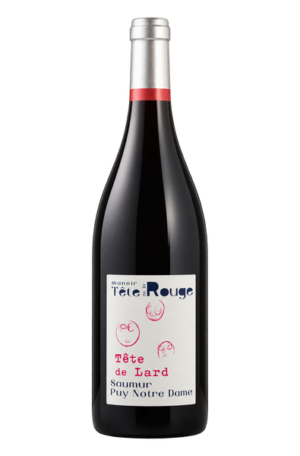
Manoir de la Tête Rouge 2019 Tête de Lard Saumur Puy-Notre-Dame
French Red
$46.99
Forest-floor, toasted and lightly animal notes accompany a silky, lively palate. The red wine is complex and rich, with present, granular tannins that remain free of astringency, a chalky texture and a long finish. Cabernet Franc grows in clay-limestone soils. Grapes are harvested by hand, and the cuvée is made under organic and biodynamic farming.
Domaine Pellé 2021 Menetou-Salon Morogues Rosé
French Rosé
$44.99
Pale gris in colour, this dry Pinot Noir rosé brings bright whitecurrant fruit and a fresh, creamy-textured palate. It is made without oak influence and comes from vineyards around Morogues in the Loire. The domaine was established in the middle of the twentieth century, around the time the Menetou-Salon appellation was created, though the Pellé family had made wine in the region earlier.
Peltier-Ravineau 2023 La Marnière Cheverny
French White
$44.99
Fresh, dry and juicy, the wine carries transparent fruit with the crispness of Loire Sauvignon Blanc. Honeyed apple adds gentle volume, while white peach and nectarine appear with air. Sauvignon Blanc and Menu Pineau grow on sandy soils. The blend is lively and floral, with citrus detail and a fresh finish. Six months in fibreglass tank follow direct pressing and cold settling.
Domaine de la Pépière 2015 Gorges Muscadet Sèvre et Maine
French White
$44.99
Melon de Bourgogne from the Pays Nantais forms this Loire white. Gorges is among the firmest, most structured and mineral Muscadet crus. The wine remains on its lees for forty-two months. Whole clusters are pressed directly, and the juice settles naturally for twelve hours. Pays Nantais is the Loire region bordering the Atlantic, and Muscadet Sèvre et Maine is one of its subzones.
Catherine & Pierre Breton 2022 Bourgueil Trinch!
French Red
$49.99
Raspberry aromas meet a tender attack and a finish marked by grape-skin texture. Cabernet Franc comes from gravel soils and vines around thirty years old. The grapes are harvested by hand, gently destemmed and cold-macerated in stainless steel. Daily pumpovers are used, and maturation lasts ten months in concrete. The Cabernet Franc vineyard is certified biodynamic.
Pierre-Olivier Bonhomme 2020 Meslier Vin de France
French White
$48.99
Pear, yellow flowers and caramel appear in the aromatics. The palate is pure and full, with transparent fruit extract, fine acidity, gentle bitterness and mineral character. Meslier Saint-François provides the full composition from vines averaging fifty-two years old on clay-limestone soils. Natural fermentation lasts forty-five days in fibre tanks. Maturation lasts five months in used 228-litre barrels. The wine is bottled unfiltered.
Domaine de Gaubourg 2024 Rosa IGP Val de Loire
French Red
$49.99
Pale strawberry and bricky cherry in colour, this light red has floral aromas, fresh raspberry, red cherry, cherry pulp and leafy notes. The fruit lingers, while a finishing structure gives a mouthwatering element. Grolleau Noir and Cabernet Franc come from vines aged fifty to sixty years. The grapes are hand harvested, with fifty percent retained as whole clusters. Production includes fifteen days of maceration and six months of ageing in stainless steel. Alcohol is eleven and a half percent.
Clos du Tue-Boeuf 2020 Tutti Frutti Rosé
French Rosé
$47.99
An experimental field blend brings together Gamay, Pineau d’Aunis, Chenin, Menu Pineau and Meslier. The grapes come from a 0.3-hectare parcel on flint clay and are purchased from organic growers. The vines are ninety years old, and the reported yield is twenty-five hectolitres per hectare. Fermentation and ageing last eight months in a Burgundy barrel.
Pierre-Olivier Bonhomme 2020 Melon de Bourgogne
French White
$48.99
Organically grown Melon de Bourgogne comes from the village of Oudon in the Loire and is harvested by hand. The grapes are pressed and aged for about six months in neutral 500-litre barrels. The profile is pure and balanced, with roundedness from barrel ageing and bright acidity. Melon de Bourgogne was once common in Burgundy and is the variety used for Muscadet.
1006 Vins de Loire 2023 Smalt Sauvignon Blanc
French White
$48.99
Sauvignon Blanc parcels lie in Touraine’s Controis-en-Sologne, on clay over limestone under a temperate climate with oceanic influence. The vines are about thirty years old. Grapes are hand-harvested, slowly pressed and fermented spontaneously. Maturation takes place in a tank. The wine is fresh and fruit-driven, with exotic, floral and citrus aromas and a rounded palate.