










Gamay
Gamay
Bailly Lapierre Réserve Brut Crémant de Bourgogne
French Sparkling
$37.99
Pinot Noir, Chardonnay, Gamay and Aligoté form the blend. The wine is rounded and full, with a varied bouquet, clear-cut character and a clean, fresh profile. Pear and red apple appear with a creamy mousse and crisp acidity. The appellation’s four permitted varieties are all represented in this Burgundy sparkling wine, which is bottled in the Brut style.
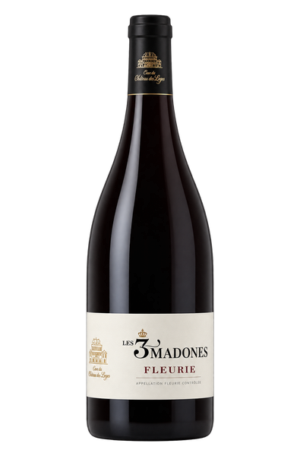
Les 3 Madones 2023 Fleurie
French Red
$41.99
Bright ruby colour with purple highlights introduces ripe plum, fresh grape, violet and blackcurrant. The palate is fleshy and harmonious, with red fruit, mild spice and a mineral touch. Gamay from Fleurie undergoes semi-carbonic maceration before resting in stainless steel, preserving freshness and direct fruit character. Fine, silky tannins bring a supple texture to the dry red profile.
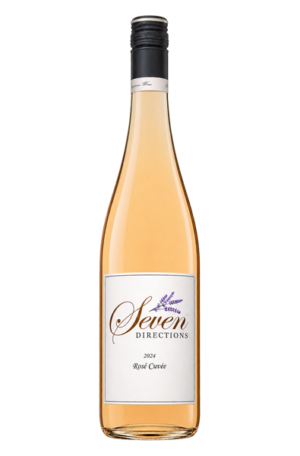
Seven Directions 2024 Rosé Cuvée
Canadian Rosé
$38.99
Pear, citrus, apple, lemon drop and steeped tea meet a faint touch of raspberry. The pale cantaloupe-coloured rosé is lively and intense while remaining delicate. Pinot Noir, Gamay, Pinot Gris and Gewürztraminer are fermented in stainless steel with extensive lees stirring. Vibrant freshness and a slightly off-dry balance lead to creamy mineral character and pronounced salinity.
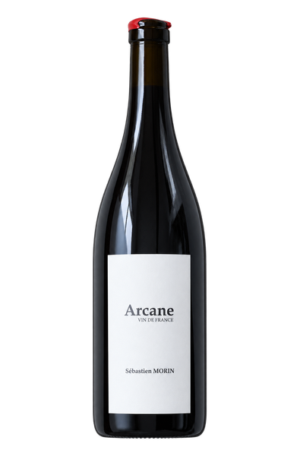
Sébastien Morin 2020 Arcane
French Red
$45.99
Deep fruit and fine tannins shape the profile. Gamay comes from old vines on sandy granitic soils near the cellar in Saint-Étienne-des-Oullières. Seventy percent of the fruit is destemmed and layered with whole bunches for fermentation. The vineyard is farmed organically without certification. Fermentation is spontaneous, and the wine is bottled unfined and unfiltered, with no additives.
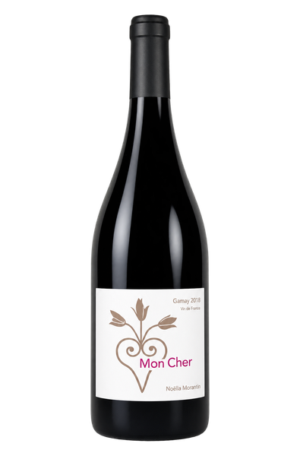
Noëlla Morantin 2018 Mon Cher
French Red
$41.99
Gamay from the Loire Valley forms this natural red wine. The grower’s parcels were already farmed organically when she began working them. After training in viticulture and oenology, she worked alongside natural-wine producers in the Loire and Burgundy before making her first vintage. She later became the owner of the vineyards and retained one hectare planted to Gamay.
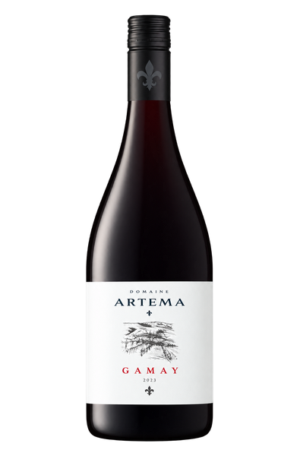
Domaine Artema 2023 Gamay Village
Canadian Red
$41.99
Pale ruby colour accompanies smoky tones, green herbs, baked cherry and dried lavender. The palate is lean, with tart acidity, a modest finish and a touch of astringency. The ferment includes eighty-five percent destemmed fruit and fifteen percent whole clusters, and it takes place in stainless steel. Maturation lasts six months, with eighty-one percent in neutral French oak and nineteen percent in stainless steel.
Peltier-Ravineau 2025 Balle dans le Pied Rouge
French Red
$42.99
Gamay and Côt make this Vin de France red from the Loire Valley. After two years focused on farming, the growers began bottling their own wines from their project in Valaire. Their domaine covers five hectares, while some cuvées also use purchased fruit. Cellar vessels include fibreglass, old barrels and truncated wooden tanks, and pressing is handled with a vintage Vaslin press.
Ursa Major 2025 This Cowboy Ain’t Leavin’ Gamay Rosé
Canadian Rosé
$44.99
Gamay from nine-year-old vines grows in sandy loam and glacial gravel just outside Naramata. The southwest-facing slope was farmed by hand. Whole clusters were pressed directly into stainless steel for fermentation, then moved to neutral barrel with a 25 ppm sulphur addition. Eight months on gross lees preceded bottling without fining or filtration. Alcohol is 11.8%.
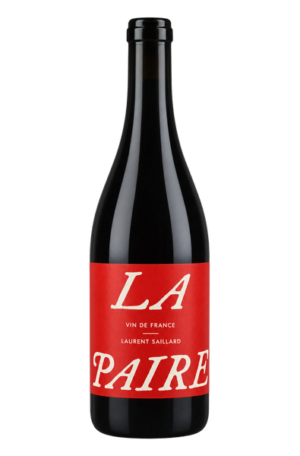
Laurent Saillard 2021 La Paire
French Red
$47.99
Fruit comes from Julien Moreau’s Domaine de Cambalu vineyards beside the Cher, a Loire tributary east of Tours, where vines grow on clay-limestone soils. Gamay and Grolleau are co-fermented for this red wine, which has eleven-point-five percent alcohol. The cuvée joined the range for this release and was made from grapes grown by another vigneron.
Clos du Tue-Boeuf 2025 Vin Rosé
French Rosé
$44.99
Seventy percent Gamay and thirty percent Côt make up this Loire rosé. The fruit comes from organically farmed vineyards in Touraine, and the wine carries the Vin de France designation. Wild strawberry, redcurrant, citrus and a floral note are joined by a lively palate, crisp acidity and a salivating finish. Indigenous yeasts conduct fermentation, preserving the fresh fruit character. Alcohol is twelve percent.
Kewin Descombes 2022 Cuvée Kéké Beaujolais
French Red
$46.99
Fresh red fruit appears with cherry, raspberry, peony and pink pepper. The wine is light-bodied and dry, with lively acidity, soft tannins and a delicate texture. Gamay provides the full composition, and the wine is made without oak. Blackcurrant, strawberry, rhubarb and white pepper add further detail, while slate-like freshness accompanies the juicy fruit. Alcohol is twelve and a half percent.
Clos du Tue-Boeuf 2020 Tutti Frutti Rosé
French Rosé
$47.99
An experimental field blend brings together Gamay, Pineau d’Aunis, Chenin, Menu Pineau and Meslier. The grapes come from a 0.3-hectare parcel on flint clay and are purchased from organic growers. The vines are ninety years old, and the reported yield is twenty-five hectolitres per hectare. Fermentation and ageing last eight months in a Burgundy barrel.
Le Grappin 2023 Beaujolais-Villages
French Red
$49.99
Whole clusters from fifty-year-old, gobelet-trained Gamay vines are fermented semi-carbonically in concrete for several weeks. The wine is then pressed into an oak vat for nine months of ageing before being racked and bottled without fining, filtration or added sulphur. Granite and schist underlie the Les Raisses site in Lancié, next to Fleurie. Retained carbon dioxide gives the finished wine a slight prickle, and alcohol is twelve percent.
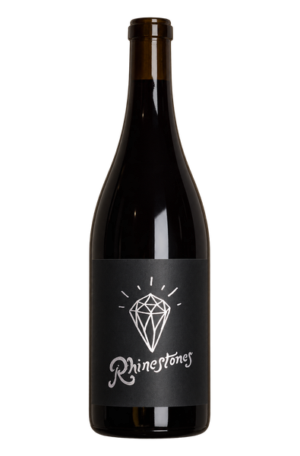
Bow & Arrow 2020 Rhinestones
American Red
$49.99
Juicy dark cherry and black raspberry appear with dried thyme, spice and soft earth. The blend contains sixty percent Pinot Noir and forty percent Gamay from Johan Vineyard. Maturation takes place in a mixture of concrete and old barriques. The wine is classified as Organic and Natural. Its conception was inspired by Cheverny, bringing the two grape varieties together in a pure, refreshing red.
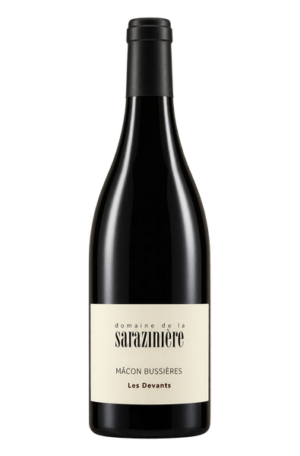
Domaine de la Sarazinière 2020 Les Devants Mâcon-Bussières Gamay
French Red
$51.99
White pepper, dark spice, kirsch and dried herbs appear with smooth, integrated tannins and a long savoury finish. Gamay comes from a south-facing lieu-dit in Bussières on deep alkaline clay-limestone soils. The vines were planted between the 1930s and 1950s and are seventy to ninety years old. Fully destemmed fruit receives a long, cool maceration lasting nearly one month. Maturation lasts ten to twelve months in neutral oak barrels.
Ochota Barrels 2023 Texture Like Sun
Australian Red
$56.99
Forest fruit, spice and liquorice are present. The profile is supple, with fine tannins and a fruity finish. The blend includes Pinot Noir, Grenache, Gamay, Mourvèdre, Pinot Meunier, Gewürztraminer, Fragola, Riesling and Chardonnay. Fruit from certified-organic vines grows on clay over limestone. The grapes are destemmed and undergo a five-day cold soak. Some varieties are co-fermented, while others ferment separately. After basket pressing, the wine rests in stainless steel before blending and bottling. It is vegan.
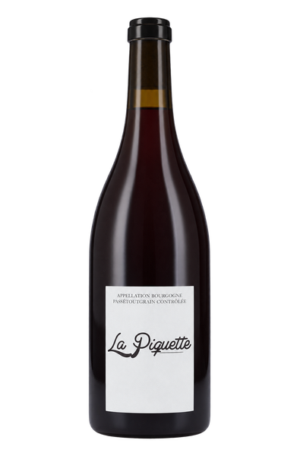
Domaine Rougeot 2022 La Piquette Bourgogne Passetoutgrains
French Red
$52.99
Pinot Noir and Gamay ferment naturally in a large open cask. Maturation lasts about nine months, and the wine is bottled without fining or filtration. Ripe red and black fruit sit with thyme, tea, rose and wet earth. The palate is fresh and fruity, with body and fine tannins. The wine is red, carries the Bourgogne Passetoutgrain designation and contains twelve percent alcohol.
Domaine Perrault-Jadaud 2020 Et Si Vin de France Gamay
French Red
$52.99
Gamay Noir grows on sandy loam at Francueil in Touraine and is farmed organically. The fruit is harvested by hand and begins carbonic fermentation as whole clusters with indigenous yeasts. Maturation lasts six to eight months in neutral 400-litre barrels, and sulphur use at bottling is minimal. The wine is red and carries the Vin de France designation.
Domaine Mosse 2021 Bisou Vin de France
French Red
$53.99
Raspberry colour accompanies blackberry, cardamom and fresh fig. The wine is light and fruity, with a direct attack and a tangy finish. Grolleau Noir, Grolleau Gris, Gamay, Cabernet Franc and Chenin are vinified separately with four-to-ten-day semi-carbonic macerations. Ageing lasts eight months in foudre. Indigenous yeasts are used, and the wine is bottled unfiltered with twenty-four milligrams per litre of total sulphur.
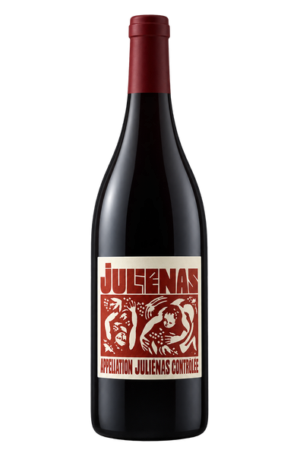
La Soeur Cadette 2024 Juliénas
French Red
$54.99
Perfumed plum, juicy raspberry, cassis, red fruit and spice accompany mineral texture and fine tannins. Gamay comes from two sites with blue granite and sandy soils, where the vines average around eighty years. Whole clusters ferment in concrete before eight to ten months in older barrels. Native yeast is used. A scrubby herbal note appears on the finish, and alcohol is twelve and a half percent.
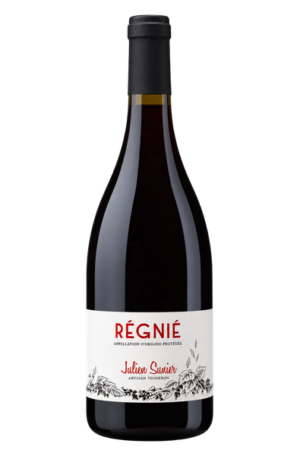
Domaine Julien Sunier 2022 Régnié
French Red
$54.99
Vine peach and a smooth texture accompany velvety tannins in this Régnié. Gamay Noir comes from certified-organic south-facing parcels between 280 and 400 metres, with vines averaging sixty years on sandy pink granite. Whole bunches undergo carbonic fermentation with native yeast in concrete. After slow pressing, the wine matures for nine months in equal parts foudre and barrel.
Clos du Tue-Boeuf 2021 La Caillère Cheverny
French Red
$64.99
Predominantly Pinot Noir with a smaller share of Gamay, this red comes from a 1.3-hectare parcel of silex and clay in Cheverny. The vines averaged about thirty-five years of age when documented, and the wine spends around one year in neutral 400-litre barrels. The profile is fresh, clean and aromatic, with reductive and herbaceous character.
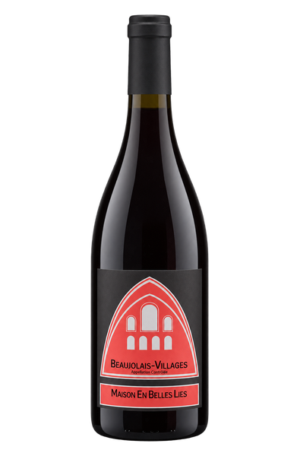
Maison En Belles Lies 2019 Beaujolais-Villages
French Red
$56.99
Gamay comes from a four-hectare parcel in Quincié-en-Beaujolais, where the soils include schist, basalt, granite and quartzite. Many vines are more than a century old. Whole clusters ferment in open wooden vats with light foot treading and no pump-overs. The wine spends eighteen months in barrel and has ripe fruit, fresh acidity and concentrated character.
Domaine Chevrot et Fils 2020 Pivoine Coteaux Bourguignons
French Red
$56.99
Raspberry, cranberry, red currant, strawberry, spice, violets and stony mineral notes shape this light, fresh red. Pinot Noir and Gamay are placed as whole bunches in neutral vats. The palate combines vibrant acidity with fine tannins, red fruit and light texture. Minimal sulphur and intervention are used during élevage, and spice is present on the finish.
Laurence & Rémi Dufaitre 2021 Cuvée 1000°F Gamay Chardonnay
French Red
$56.99
Gamay and Chardonnay are co-fermented in this strongly rosé-coloured red. The vines grow in sandy soils around the house, and this was the second vintage of the cuvée. Floral notes and spice accompany a fresh, juicy and flavourful profile. The wine is classified as Vin de France, comes from Beaujolais and contains twelve percent alcohol.
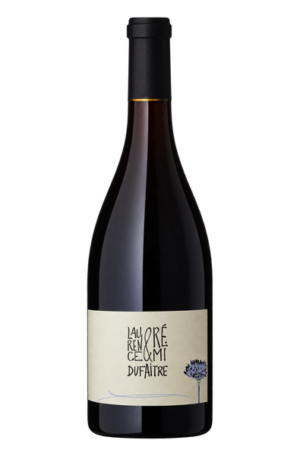
Laurence et Rémi Dufaitre 2019 Côte de Brouilly
French Red
$71.99
Deep red fruit appears in a round, juicy profile with energy and complexity. A faint shimmer of tannin is present in the finish without grain. The Gamay comes from seventy-year-old vines on blue volcanic rock. Carbonic maceration and concrete are used, with no sulphur added and no filtration. Fresh acidity is also present, and the wine contains thirteen percent alcohol.
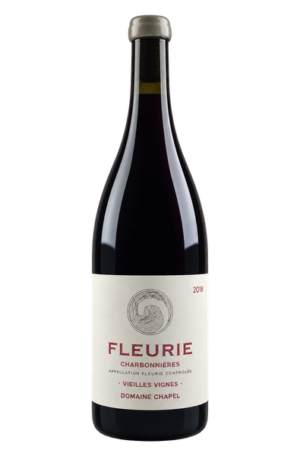
Domaine Chapel 2018 Fleurie Charbonnières Vieilles Vignes
French Red
$56.99
Raspberry, cherry, rose petal, liquorice, herbs and flowers shape the profile. The palate is layered and medium to full bodied, with succulent acidity and saline character. Velvety texture accompanies supple tannins and a long, mineral-accented finish. Gamay comes from the forest-enclosed Charbonnières parcel, where granite bedrock lies beneath granitic sand and weathered rock fragments. Whole clusters undergo semi-carbonic maceration with indigenous yeast, and the wine is bottled unfined and unfiltered.
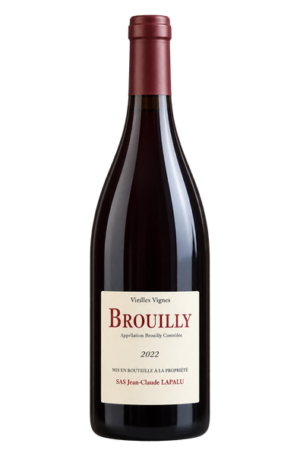
Jean-Claude Lapalu 2022 Brouilly Vieilles Vignes
French Red
$63.99
Plum compote, darker fruit and black cherry appear in a compact profile with firm tannins, integrated acidity and fruit through the finish. Gamay comes from old vines on granite soils. The grapes are harvested by hand and vinified as whole clusters through carbonic maceration for about two weeks. Pressing lasts about twenty-four hours. Malolactic fermentation, blending and maturation in stainless steel are also part of the cellar work.
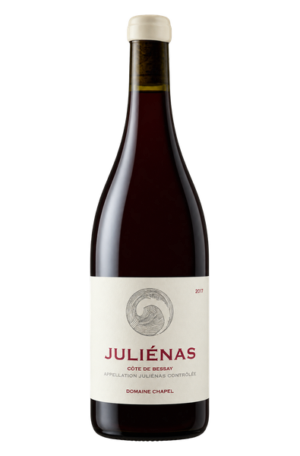
Domaine Chapel 2017 Juliénas Côte de Bessay
French Red
$59.99
Red cherry and spice sit within a supple, fresh and bright profile. The wine is juicy and light in style, with crunchy red fruit and integrated tannins. Gamay comes from the four-hectare Côte de Bessay plot at the edge of Juliénas, where blue stones and granite are present. A low-extraction, carbonic approach is used in the cellar.
Jean-Claude Lapalu 2022 Côte de Brouilly
French Red
$76.99
Concentrated black cherry and slate-spice aromas are present with density, ripe tannins, mild acidity and mineral extract. The structure is juicy and compact. The north-facing vineyard lies on blue stone and clay. The palate is direct and silky, becoming more velvety as tannin rises. Energy and fresh flavour complexity are present, with sweet flavours in the finish.