









Barbera
Barbera
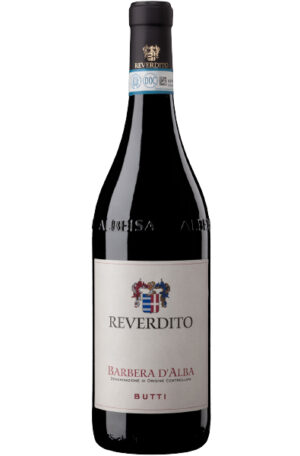
Michele Reverdito 2021 Barbera d’Alba
Italian Red
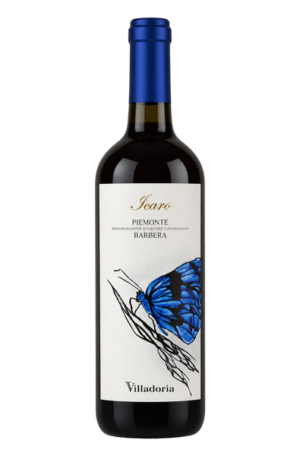
Villadoria 2024 Icaro Barbera Piemonte DOC
Italian Red
Blackberry and elderberry accompany an intense ruby colour. The palate is fruit-driven, relatively light and marked by the variety's present acidity, with a clean finish. Made entirely from Barbera grown in Piedmont, the wine ages in stainless steel tanks. The style is approachable, direct and unoaked. Red cherry, plum, dried herbs and violets are also present, alongside low tannins.
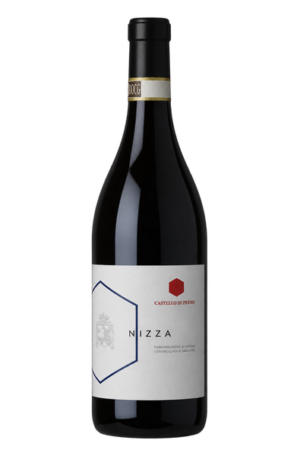
Castello di Perno 2018 Nizza Barbera
Italian Red
Fresh flowers, crushed cherry, baked strawberry and thyme accompany a medium-bodied palate with silky tannins, fresh acidity and mineral depth. The Barbera comes from a 2.5-hectare, south-facing vineyard planted with eighty-year-old vines on chalk and silex. The grapes are destemmed and cold soaked for forty-eight hours; fermentation is spontaneous and maturation takes place in wood. Alcohol is fifteen percent.
Sartirano Figli 2020 Piemonte Rosso DOC
Italian Red
Juicy red fruit and cherry are accented by dried herbs and a modest touch of spice. The palate is expressive and medium-bodied, with velvety tannins and enough freshness to keep the ripe fruit in balance. A savoury, lightly spiced finish makes it versatile with risotto, braised pork, grilled pizza or mushroom dishes.
Araldica 2023 Palazzi Monferrato Chiaretto Rosato
Italian Rosé
Barbera and Pinot Nero form this Monferrato rosato, which is fermented in stainless steel after a short, cool skin maceration and gentle pressing. Fresh strawberry and redcurrant aromas meet ripe berry, plum and cherry character, with juicy acidity and a fresh finish. The wine is vegan, carries 11.5 percent alcohol and works with tomato-based pasta or roasted vegetables.
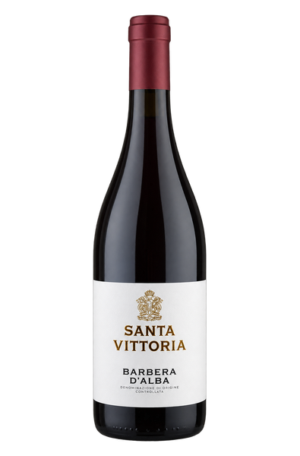
Santa Vittoria 2023 Barbera d’Alba DOC
Italian Red
Barbera from the Langhe and Roero area spends six months in barrel. The vineyards stand on high and mid-hillsides over compact clayey marl and calcareous marl. Fermentation takes place in stainless steel, followed by malolactic fermentation after seven to eight days on the skins. The estate sits above the Tanaro River at Santa Vittoria d'Alba, and its tower dates to 1386.
Truffle Hunter Leda 2024 Piemonte Rosso
Italian Red
Dark currant, raspberry, vanilla and almond appear with toasted notes. The palate is light and refreshing, with balanced acidity, soft tannins and a long finish. Barbera, Nebbiolo and Dolcetto form the blend from Piedmont, Italy. The wine has a bright ruby colour, thirteen-point-five percent alcohol and a semi-dry style under the Piemonte DOC designation. It pairs with antipasti, pasta, grilled poultry or pork, and medium-aged cheeses.
Araldica 2022 Piemonte Barbera
Italian Red
Plum, raspberry and cherry lead this fresh, juicy red, while sour cherry, soft tannins, spicy liquorice and balsamic notes add detail. Refreshing acidity shapes the finish. Barbera grows on clay-limestone soils in the Monferrato hills, where grapes are hand-harvested before fermentation and malolactic conversion in stainless steel. The wine then matures for four to six months in stainless steel before bottling.
Vite Colte 2024 San Nicolao Barbera d’Asti
Italian Red
Intense ruby colour carries violet reflections. Blueberry, violet, cherry and liquorice appear in a dry Barbera, with a soft texture and lively acidity. Maceration lasts about ten days at 25–28°C. Malolactic fermentation follows alcoholic fermentation in stainless steel, and maturation also takes place in steel. The grapes come from traditionally managed, low-yield vineyards in Piedmont.
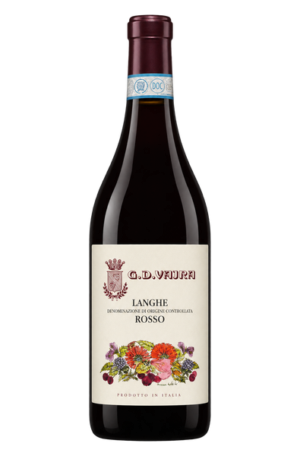
G.D. Vajra 2024 Langhe Rosso
Italian Red
Delicate ruby-red colour accompanies red fruit, sweet spice, violet and rosehip. The palate is energetic and lively, shaped by silky tannins. The blend includes Dolcetto, Nebbiolo, Barbera, Freisa, Albarossa, Slarina and Chatus. Grapes are picked by hand and sorted manually. Each block ferments separately for about twenty days. Maturation lasts approximately four to six months, mainly in stainless steel.
Cascina Tavijn 2020 Vino Rosso
Italian Red
Ruby red, this Barbera and Freisa blend offers red fruit, herbs and undergrowth. The palate is warm and soft, with structure, lively tannins, freshness and a persistent finish. Fermentation and refinement take place over several months in fibreglass tanks. The vineyards are in Scurzolengo, Piedmont, and are farmed organically. The wine is bottled unfiltered at thirteen and a half percent alcohol.
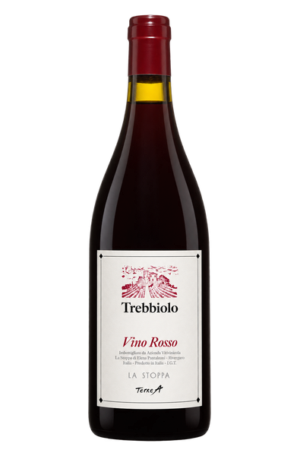
La Stoppa 2023 Trebbiolo Rosso
Italian Red
Bright red in colour, this blend offers cherry, balsamic herbs and subtle woody notes, with dark fruit, tobacco and coffee also present. The palate is round, harmonious and youthful. Barbera accounts for sixty percent and Croatina forty percent. Organic farming uses neither fertilizer, herbicide nor pesticide. Skin maceration lasts twenty days. Fermentation is spontaneous with indigenous yeasts in stainless steel and cement tanks.
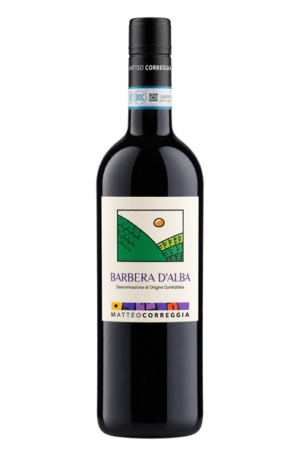
Matteo Correggia 2022 Barbera d’Alba
Italian Red
Crushed raspberry and blueberry appear with pepper and rose petals. The palate is juicy, with an unctuous, silky texture and freshness that continues through the finish. The wine is made entirely from Barbera grown in fine sandy soils. Grapes are harvested by hand toward the end of September, and maceration in stainless steel lasts six to eight days. Wood ageing lasts at least three months.
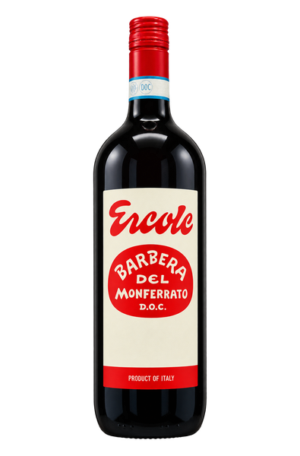
Ercole 2022 Barbera del Monferrato 1 L
Italian Red
Ripe red fruit, floral notes and a mineral core sit alongside Barbera's bright acidity and freshness. The fruit comes from calcareous-clay soils in Monferrato and is harvested from late September into early October. Fermentation takes place in concrete before stabilization in stainless steel. This dry red is made entirely from Barbera and carries 12.5 percent alcohol.
Figli Luigi Oddero 2024 Convento Langhe Rosso
Italian Red
Dolcetto leads the blend, joined by Barbera and a touch of Nebbiolo. The grapes are naturally fermented in stainless steel, then assembled and matured for about six months in cement, while the Nebbiolo component rests in cask. Violet-toned berry fruit meets a light, crunchy profile with clear grip and structure. The components are assembled for bottling in late spring.
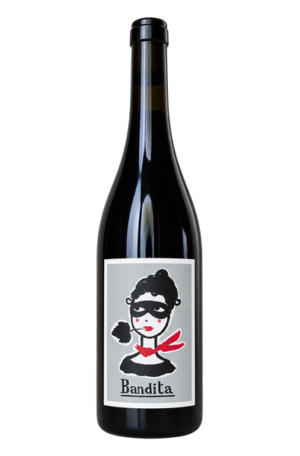
Cascina Tavijn 2023 Bandita
Italian Red
Deep ruby colour with violet shadows accompanies red fruit, forest floor, wet earth and herbal tones. The wine is intense, with strong acidity and a long earthy persistence. Old vines grow on calcareous ground at 260 metres. Grapes are harvested by hand, ferment spontaneously with indigenous yeasts and macerate for about two months before maturation in steel.
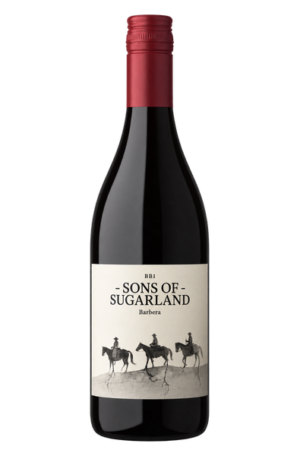
Sons of Sugarland 2023 Barbera
South African Red
The fruit comes from a single vineyard in Goudini, a ward of Breedekloof, rooted in river pebbles and sandstone. Whole bunches fermented before eleven months in neutral four-hundred-litre barrels. Bright, juicy fruit includes fragrant plum, herbal boysenberry and wild blueberry. Tannins are nearly negligible, while cracked pepper appears on the finish. Alcohol is thirteen percent.
Podere Pradarolo 2013 Velius Rosso
Italian Red
Ruby in colour with violet tones, the wine offers persistent fruit, pronounced acidity and evident tannins. It is made entirely from organically grown Barbera on clay-loam soils with active limestone. Maceration lasts about ninety days with native yeasts and no sulphur. The wine spends fifteen months in large oak, followed by at least six months in bottle, and is bottled without filtration or stabilization.
Cascina Tavijn 2021 68 Rosso
Italian Red
Barbera and Ruchè are used in equal proportions. The wine spends thirty days macerating in plastic vats, then matures in stainless steel before unfiltered bottling, with twenty milligrams per litre of sulphur added. Blueberry fruit appears with sweetness, liquorice and spicy tannins. This Natural red wine comes from Piedmont and contains fourteen and a half percent alcohol.
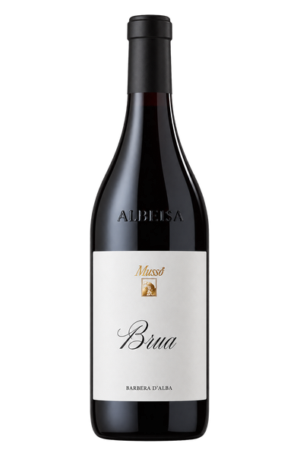
Musso 2020 Brua Barbera d’Alba Superiore
Italian Red
Bitter almond, violet candy and a hint of liquorice appear in the aromas. The palate is velvety, with red fruit, structure, body, light tannins and lively bitter notes. Grapes are destemmed and softly crushed before stainless-steel fermentation with maceration and frequent pump-overs. Ageing lasts about two years in large casks and five-hundred-litre tonneaux. The wine contains 15.5 percent alcohol.
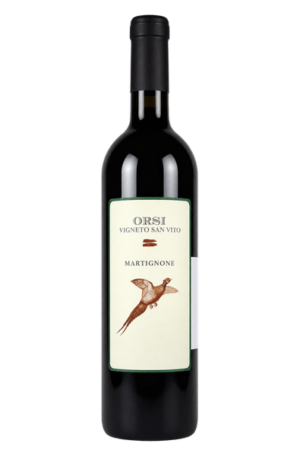
Orsi Vigneto San Vito 2019 Barbera Martignone
Italian Red
Barbera grows in heavy clay over limestone under certified biodynamic farming. Maceration lasts one month. Fermentation and twelve months of ageing take place in botti, and the wine is bottled without fining or filtration. Sulphur use varies with the sanitary condition of the grapes; some years receive none, while other years see a small addition at harvest or bottling.
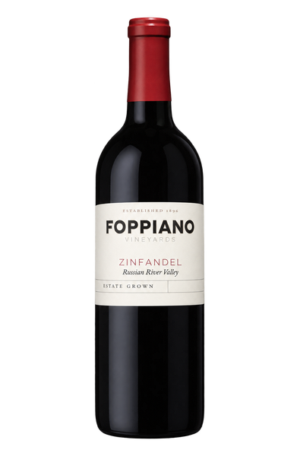
Foppiano 2021 Estate Grown Zinfandel Russian River Valley
American Red
Red raspberry, dark fruit jam, cinnamon, clove, ripe plum, black tea and lavender oil form a layered profile. Blueberry, elderberry and cranberry accompany oak spice and baking notes. The blend is eighty-nine percent Zinfandel and eleven percent Barbera. Soft tannins, tangy acidity and a long, mouthwatering finish are also present in this firmly structured red.
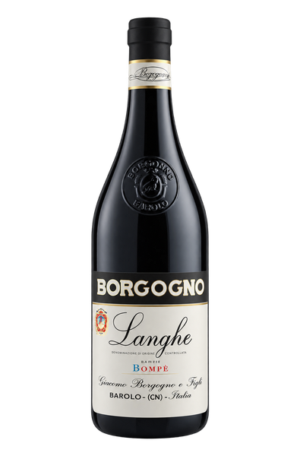
Borgogno 2023 Langhe Bompè Barbera
Italian Red
Red berries, forest fruit, smoky notes and salinity shape this Barbera. The fruit comes from the Bompè plot at Madonna di Como in the Langhe, where vines grow on sandy, chalky soils with abundant stones. Grapes are harvested by hand and ferment spontaneously in cement for about ten days. Ageing lasts one year in large, lightly toasted French oak barrels.
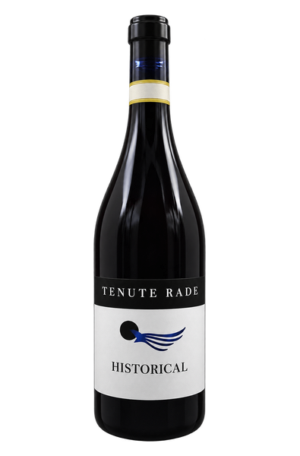
Tenute Rade 2017 Historical Nizza DOCG
Italian Red
The nose is fresh, with boysenberry, crushed purple plum, violet, liquorice, grey pepper and bright berries. The palate has juiciness, mineral character, acidity, tension and energy. Juicy purple plum, bright blackcurrant, cornflower, cardamom, toast and nutmeg are present. The tannins are marked near the finish, with a subtle chocolate note in the persistence. The wine is made entirely from Barbera.
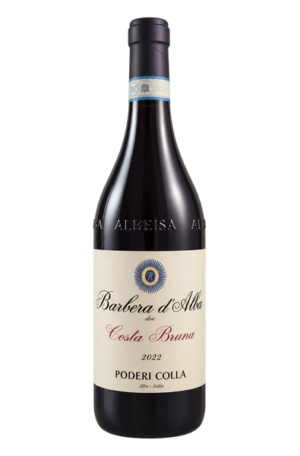
Poderi Colla 2022 Costa Bruna Barbera d’Alba
Italian Red
Black cherry, chocolate, liquorice and a hint of meatiness form the aromatic profile. Wild berry fruit and bright acidity accompany a finely textured palate with a subtle rustic edge. The finish is quiet and lingering. Barbera grapes come from a west-facing vineyard at 250 metres and are harvested by hand in small baskets. Maceration lasts ten to twelve days before eight to twelve months of maturation in Slavonian and French oak.
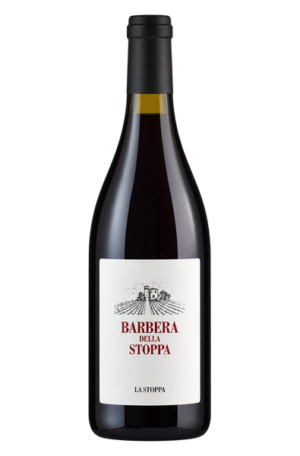
La Stoppa 2010 Barbera della Stoppa Emilia Barbera IGT
Italian Red
Black fruit, sous bois, liquorice and coffee accompany an intense red colour with earthy reflections. The wine is long and full-bodied. Barbera is fermented spontaneously with indigenous yeasts and remains on the skins for forty days in stainless steel or concrete. Maturation uses seasoned French oak and larger wooden vats. It is bottled without filtration or clarification and may contain sediment.
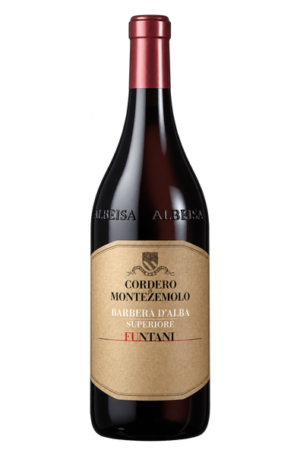
Cordero di Montezemolo 2020 Funtanì Barbera d’Alba Superiore DOC
Italian Red
Dark ruby-red colour has a purple core. Ripe blackberry, black elderberry, blackcurrant and savoury spice form the profile. The palate is full-bodied and juicy, with balance, velvety tannins and a long finish. Barbera comes from an old vineyard near a spring in La Morra. Ageing includes more than one year in wood and a further year in bottle. Alcohol is fourteen and a half percent.
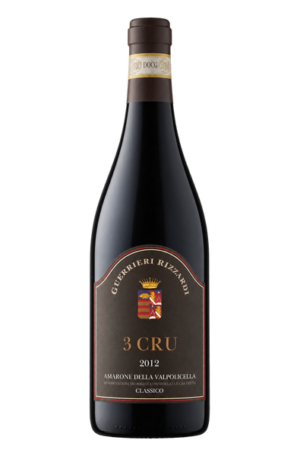
Guerrieri Rizzardi 2012 3 Cru Amarone della Valpolicella Classico
Italian Red
Ripe fruit and sweet spice sit with a compote-like character. The dry red is full and rich, with a round texture, balanced oak and freshness. Corvina, Corvinone, Rondinella and Barbera comprise the blend, with Rondinella accounting for ten percent. The wine carries sixteen percent alcohol and is sealed under cork. It comes from Veneto's Valpolicella Classico zone.
Cascina Penna-Currado 2022 Carrà Barbera d’Alba
Italian Red
Deep ruby in colour, with plum, blueberry, spice and balsamic notes. The wine has full body, crisp minerality, fine velvety tannins and an extended finish. It is made entirely from Barbera grown in two southwest-facing San Sebastiano vineyards planted twenty-five and seventy years ago. After cold maceration and fermentation, it matures for about one year in large barrels.
La Spinetta 2014 Cà di Pian Barbera d’Asti 1.5 L
Italian Red
Deep ruby with a violet edge, opening on blueberry, black cherry, dried plum, violet and sandalwood. The palate is full and lively, combining ripe dark fruit with refreshing acidity and polished texture. Complex without feeling heavy, it finishes balanced and persistent. Decant for rich pasta, grilled meat, charcuterie or soft cheese.