












Melon de Bourgogne
Melon de Bourgogne
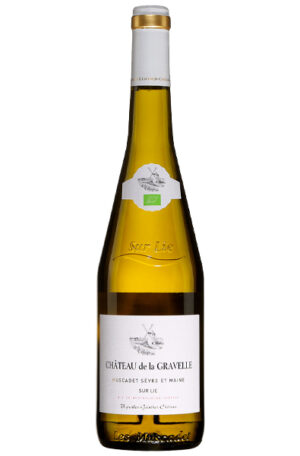
Vignobles Günther-Chéreau 2022 Château de la Gravelle Muscadet-Sèvre et Maine Sur Lie
French White
$29.99
Fresh lemon peel, white grapefruit and green apple open with a flinty, sea-spray edge. The palate is bone-dry and light on its feet, driven by brisk acidity and a clean saline line. Lees ageing adds a gentle roundness before the long, mineral and sharply refreshing finish.
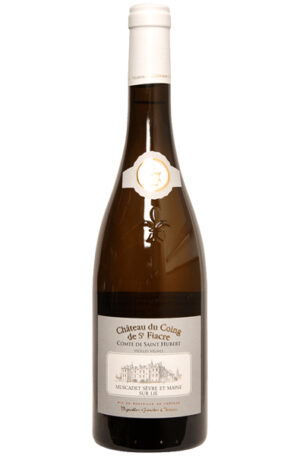
Château du Coing de Saint-Fiacre 2017 Monnières-Saint-Fiacre Muscadet
French White
$41.99
Bright lemon, grapefruit and white flowers lead, followed by crushed rock, ripe orchard fruit and a subtle tropical note. The palate is dry and structured, with brisk acidity, fine mineral tension and gentle lees-derived breadth. Light brioche and toast emerge on the persistent finish, adding complexity without dulling its coastal freshness.
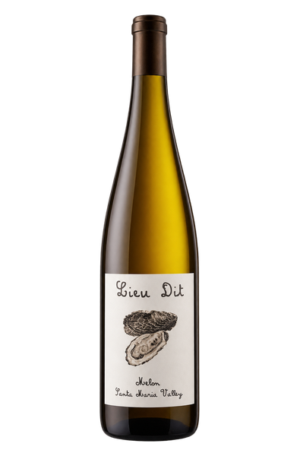
Lieu Dit 2021 Melon de Bourgogne
American White
$48.99
Salted citrus and orchard fruit lead into a crisp, mineral palate, with sea spray and a briny finish. Fruit comes from old, own-rooted vines in Bien Nacido Vineyard, planted in sandy loam. Whole clusters were pressed, then fermented with native yeast between stainless steel and neutral French oak. The wine suits oysters, shellfish and other simply prepared seafood.
Domaine Ménard-Gaborit 2020 Ex Nihilo
French White
$31.99
Melon de Bourgogne and Folle Blanche are among four varieties in the blend. Citrus flavours, minerality and taut acidity give the wine a lively, tight profile. Sauvignon also appears in the cuvée’s established composition. This dry white is classified as Vin de France, comes from the Nantes vineyard area in Loire-Atlantique and carries twelve percent alcohol. The profile also includes fresh fruit and aromatic richness.
Château du Coing de Saint-Fiacre 2023 Muscadet Sèvre et Maine Sur Lie
French White
$32.99
Light gold colour accompanies green apple and white peach aromas. Citrus fruit, white flowers and apricot appear on a full-bodied palate with crisp acidity and gentle minerality. Time on the lees adds textural richness. Melon de Bourgogne grows on south-facing slopes where the Sèvre and Maine rivers meet, over gneiss and schist soils. The fruit comes from fifty hectares of Guyot-trained vines.
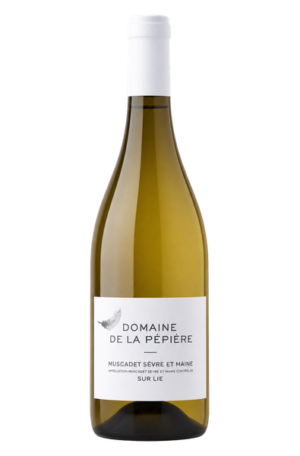
Domaine de la Pépière 2020 Muscadet Sèvre-et-Maine Sur Lie
French White
$42.99
White flowers, citrus and mineral notes meet apple and gentle yeasty nuances. The palate has fresh acidity, texture and length. Made from Melon de Bourgogne, the dry white is bottled at twelve and a half percent alcohol. It comes from the Loire Valley and carries biodynamic production status. The clean, refreshing style can accompany oysters and other shellfish.
Domaine de la Pépière 2015 Gorges Muscadet Sèvre et Maine
French White
$44.99
Melon de Bourgogne from the Pays Nantais forms this Loire white. Gorges is among the firmest, most structured and mineral Muscadet crus. The wine remains on its lees for forty-two months. Whole clusters are pressed directly, and the juice settles naturally for twelve hours. Pays Nantais is the Loire region bordering the Atlantic, and Muscadet Sèvre et Maine is one of its subzones.
Pierre-Olivier Bonhomme 2020 Melon de Bourgogne
French White
$48.99
Organically grown Melon de Bourgogne comes from the village of Oudon in the Loire and is harvested by hand. The grapes are pressed and aged for about six months in neutral 500-litre barrels. The profile is pure and balanced, with roundedness from barrel ageing and bright acidity. Melon de Bourgogne was once common in Burgundy and is the variety used for Muscadet.
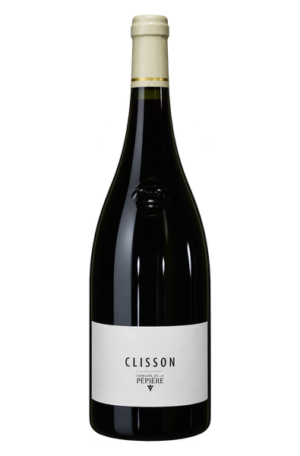
Domaine de la Pépière 2022 Clisson Muscadet Sèvre et Maine
French White
$56.99
Cooked fruit, ripe citrus, honey and quince appear in a rich profile with exceptional finesse. Melon de Bourgogne comes from the Clisson Valley, where granite subsoil is covered by gravel, sand, clay and river stones. The vines are farmed organically and biodynamically. After pressing and fermentation, the lees are stirred in tank, and maturation lasts at least two years.
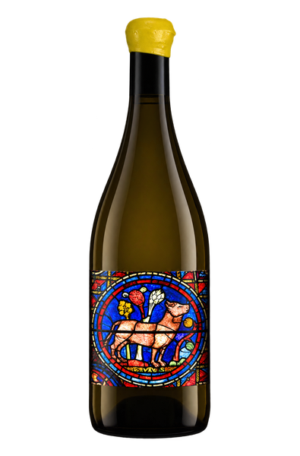
Domaine de l’Écu 2018 Taurus
French White
$84.99
Melon de Bourgogne comes from sixty-year-old vines in a seventy-are parcel on granite and orthogneiss. Harvesting is manual. Pneumatic pressing without settling and indigenous-yeast fermentation are used. Maturation includes twelve months on lees in an underground tank and twelve months on fine lees in older Burgundy oak. Citrus, lemon, grapefruit, white flowers, dried fruit, almond and toast are present.
Domaine de la Pépière 2015 Clos des Briords Muscadet Magnum 1.5 L
French White
$79.99
Lime, pear, lemon and fresh flowers accompany a mineral profile. Crisp fruit, balance and restraint are also present. The Melon de Bourgogne vines in the Clos des Briords parcel were more than eighty years old at the time of release. Greater old-vine concentration sits within a youthful profile, alongside the same fruit and mineral details.
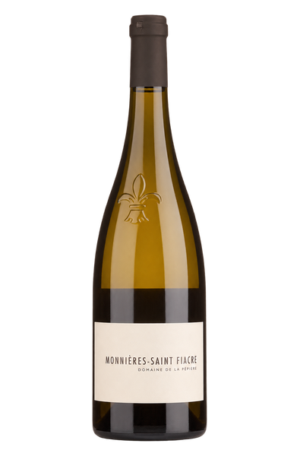
Domaine de la Pépière 2018 Monnières-Saint-Fiacre
French White
$51.99
Rounded citrus and orchard fruit meet a distinctly leesy, mineral core. The palate carries quiet breadth from extended time on the lees, while fresh acidity and a fine saline edge keep the wine precise. Notes of stone and a gentle savoury texture gather through the composed finish. Serve well chilled with oysters, mussels, grilled white fish or roast chicken, where its mineral intensity and measured richness can show clearly.
Ollivier Cottenceau Phénomène Dealcoholized Melon de Bourgogne 0.5%
French Non-Alcoholic Wine
$31.99
Citrus and light orchard-fruit tones sit over a lean, mineral frame, with lees ageing adding subtle texture without sacrificing freshness. The palate is supple and bright, showing lively acidity, a faint natural spritz and a brisk saline finish. Serve well chilled with oysters, shellfish, soft goat cheese, vegetable terrines or simply prepared white fish. Its restrained sweetness and coastal profile make it especially useful at the table.
Bow & Arrow 2019 Melon
American White
$41.99
Bright lemon, white peach and golden fig meet a cool, stony mineral note, with a subtle leesy edge adding texture. The palate is dry, brisk and light on its feet, yet rounded enough to feel composed rather than austere. Made from organically and biodynamically farmed fruit with a low-intervention approach, it is a natural partner for oysters, shellfish or simple vegetable dishes.
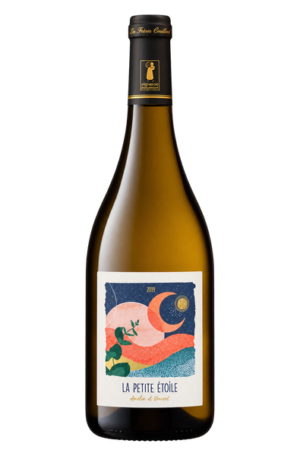
Château de la Ragotière 2019 La Petite Étoile Muscadet
French White
$38.99
Clean and mineral, with lemon, green apple and white flowers set against a subtle saline edge. Lees ageing in sandstone egg-shaped vats gives the palate gentle texture while preserving the bright, dry profile. The finish is crisp, stony and quietly persistent. Pair with oysters, shellfish, grilled white fish or fresh goat cheese.
Domaine de l’Ecu 2021 Granite Muscadet
French White
$49.99
White-gold in colour, with flint, citrus and oyster shell on an elegant, mineral nose. The palate is sharp and crystalline, carrying chalk, iodine and saline freshness through a long, sea-spray finish. Serve chilled with oysters, scallops, grilled fish, clams or mature goat cheese, or cellar further.
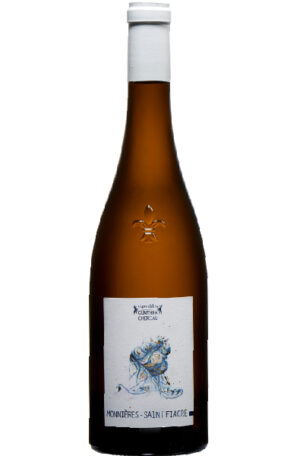
Vignobles Günther-Chéreau 2017 Monnières-Saint-Fiacre Muscadet
French White
$49.99
A mature Muscadet with golden colour and a complex nose of baked apple, citrus, butter and stone. The palate is full and structured, its rounded texture balanced by a clear mineral line and steady acidity. Long and savoury on the finish, it is well suited to richer seafood, roast fish, poultry or dishes finished with brown butter.
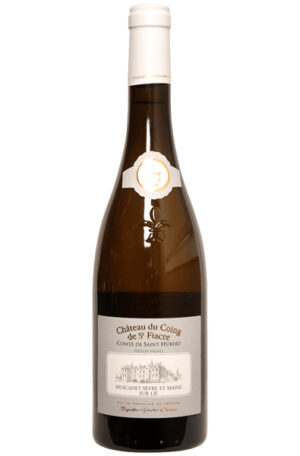
Château du Coing de Saint-Fiacre 2010 Comte de Saint-Hubert Vieilles Vignes Muscadet
French White
$47.99
White fruit, green apple and ripe apricot meet lemon, honey and a distinct saline, iodine note. The palate is generous and rounded, with crisp acidity, fine lees-derived texture and a gentle natural prickle keeping the fruit lively. Flint and oyster-shell minerality carry the long, clean finish. Serve with shellfish, crab or simply prepared fish.