








Alsace
Alsace
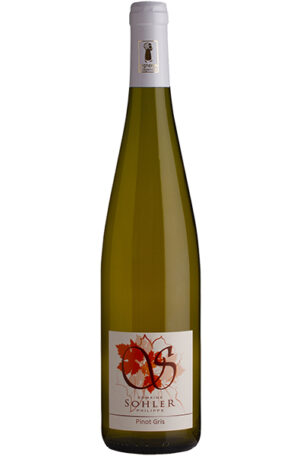
Sohler Philippe 2020 Pinot Gris
French White
$36.99
A gently aromatic Pinot Gris with pear, yellow apple and ripe peach, joined by honey, almond and soft spice. The palate is rounded and lightly oily in texture, balanced by modest acidity and a clear core of orchard fruit. Smooth and quietly expressive on the finish, it carries lingering stone-fruit and nutty notes without feeling heavy.
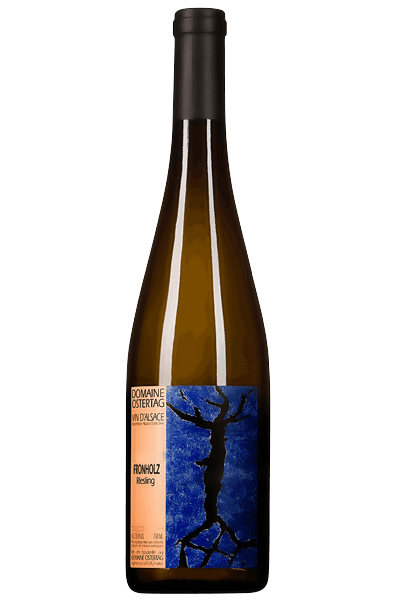
Domaine Ostertag 2015 Fronholz Riesling
French White
$65.99
Peach and tangerine make an immediately expressive nose, combining juicy ripeness with aromatic spice and citrus zest. The palate is dry, concentrated and vigorous, with firm acidity, mineral focus and a sleek, crystalline texture. There is real structure and poise beneath the exuberant fruit, carrying the finish with clarity and energy.
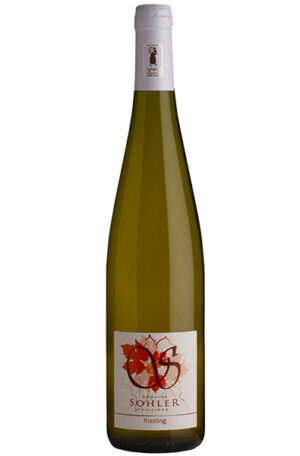
Sohler Philippe 2019 Riesling
French White
$36.99
A bright, aromatic Riesling with lime zest, green apple and white peach, lifted by floral notes and wet stone. The palate is light to medium in body, with mouth-watering acidity and a clear mineral drive carrying the citrus and orchard fruit. Clean and focused on the finish, it pairs neatly with shellfish, fresh herbs, pork or lightly spiced dishes.
Domaine Jean Ginglinger 2018 Steiner Gewürztraminer Maceration
French White
$74.99
Deep golden-orange in colour, with peach nectar, bright stone fruit, white flowers, musky herbs and bitter spice. Extended skin contact gives the palate depth, chew and intensity while preserving lift and a long, aromatic finish. Serve lightly chilled with fragrant curries, pork belly, roast squash or washed-rind cheese.
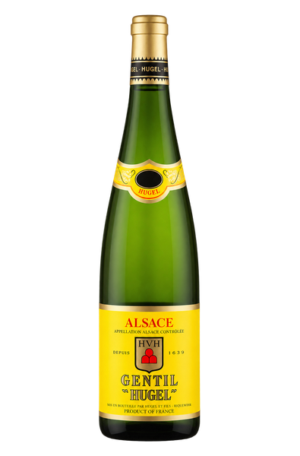
Famille Hugel Gentil 2024 Alsace
French White
$37.99
Gewürztraminer supplies spice, Pinot Gris body, Riesling finesse, Muscat a grapey character, and Pinot Blanc and Sylvaner refreshment. The grapes are harvested by hand from clay and limestone soils around Riquewihr. Fermentation takes place in temperature-controlled vats between eighteen and twenty-four degrees Celsius. Natural clarification and light filtration precede cellar ageing. The wine contains thirteen-point-five percent alcohol and 4.4 grams per litre of residual sugar.
Domaine Zinck 2023 Pinot Blanc Portrait
French White
$31.99
Green apple, pear and white flowers form a dry, fresh profile. The palate is supple and balanced, with a light body and a clean finish. Fermentation takes place in stainless steel, and the grapes come from plain parcels and are harvested by hand. The wine carries organic and biodynamic classifications. This Pinot Blanc contains 12.5 percent alcohol.
Maison Kuehn 2023 Les Caves de l’Enfer Riesling
French White
$34.99
Lime and linden blossom appear in a dry profile with lively acidity. Residual sugar is two grams per litre, total acidity is 6.6 grams per litre and alcohol is eleven-and-a-half percent. Fruit for this cuvée comes from parcels around Ammerschwihr on mainly clay-limestone or alluvial soils. Pressing is pneumatic, and the wine spends several months on fine lees.
Gustave Lorentz 2020 L’Ami des Crustacés Pinot Blanc
French White
$37.99
White flowers, honey, melon, citrus, pear and white peach form the aromatic profile. The palate is lively and dry, with integrated acidity and a mineral note. Fruit comes from hillsides around Bergheim, where heavy clay and limestone soils predominate. The blend comprises seventy percent Pinot Auxerrois and thirty percent Pinot Blanc, and the wine is matured in stainless steel.
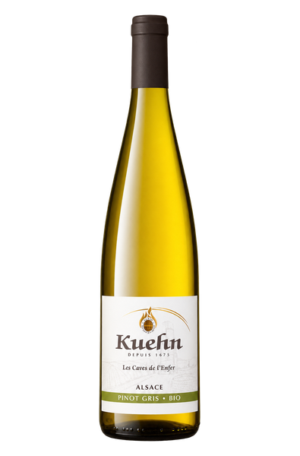
Maison Kuehn 2023 Les Caves de l’Enfer Pinot Gris
French White
$34.99
Golden yellow in colour, with smoke, dried apricot, vineyard peach, undergrowth, melon and yellow fruit. The palate is full, with apricot, a light honey note and freshness on the finish. Pinot Gris grows on clay-limestone slopes at Ammerschwihr with east and southeast exposure. Pneumatic pressing precedes several months on fine lees. Residual sugar is 13.2 grams per litre, and alcohol is twelve percent.
Zink Crémant d’Alsace Blanc Brut
French Sparkling
$38.99
Ripe apple, plum and white-flower aromas accompany a bright straw colour. The palate is creamy and dry, with refreshing bubbles. Riesling, Pinot Blanc and Pinot Noir make up the blend. This sparkling wine comes from Alsace and is made in the traditional method. Its fruit-forward profile is well suited to service as an aperitif before a meal.
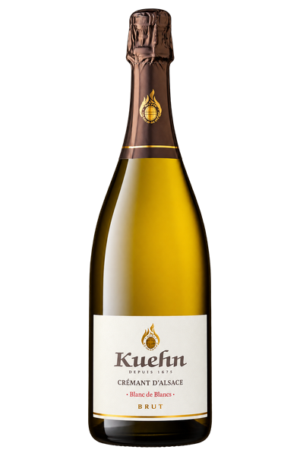
Maison Kuehn Crémant d’Alsace Brut Blanc de Blancs
French Sparkling
$38.99
A very pale yellow colour shows gold reflections. Lively white-fruit notes and a toasted touch appear on the nose, while the palate carries freshness, elegance, delicate flavours and structure. Auxerrois and Pinot Blanc form the blend. Traditional-method production includes a second fermentation in bottle and fifteen to eighteen months of ageing on laths. Dosage is nine grams per litre.
Domaine Zind-Humbrecht 2020 Muscat Turckheim
French White
$59.99
Muscat d’Alsace accounts for eighty-five percent of the blend, with fifteen percent Muscat Ottonel. The thirty-seven-year-old vines grow on gravelly silt and loam at the edge of Herrenweg de Turckheim, where the microclimate is warm. Fermentation was quick and finished bone dry. Pale yellow-green colour accompanies delicate floral aromas, an airy texture and soft velvet on the palate. The profile has tannic structure and a long finish.
Domaine Zinck Crémant d’Alsace Brut Rosé NV
French Sparkling
$43.99
Wild red-fruit aromas meet freshness, a dry profile, silky texture and persistent mousse. Made entirely from Pinot Noir, the grapes are hand harvested from thirty-five-year-old vines on the loamy slopes of Eguisheim. Vinification and ageing take place in stainless steel, followed by fifteen months on fine lees. The wine is made by the traditional method and carries Ecocert and Demeter certification.
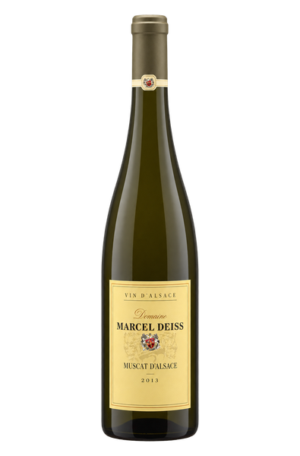
Domaine Marcel Deiss 2013 Muscat de Bergheim
French White
$44.99
Fresh lime, star anise and pineapple appear in a lively, crisp profile. The palate is balanced, with a rich, voluptuous mouthfeel and aromatic character. Made from Muscat grapes in Alsace, this white wine contains twelve percent alcohol. It can be served as an aperitif or alongside salmon, asparagus, veal in cream, pear tart or lemon-meringue tart.
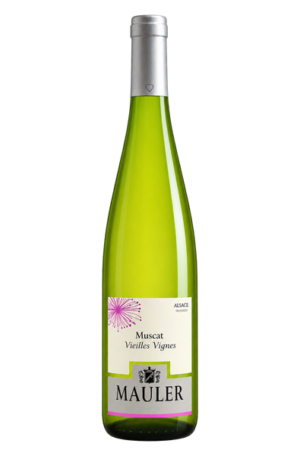
Jean-Paul Mauler 2023 Muscat Vieilles Vignes
French White
$44.99
Bright pale-green colour accompanies fresh, easy-drinking Muscat grape aromas in this old-vine selection from Alsace. The producer places it in a Prestige range of fruit-driven wines drawn from older vines. The aromatic white is suited to aperitif service and can accompany marinated herring or mackerel, smoked fish, shellfish and spiced dishes. Serve it between eight and ten degrees Celsius.
Famille Hugel 2023 Muscat Classic
French White
$45.99
Floral and open, this dry white carries Muscat notes of citrus and jasmine. The palate is dry, lively and mouthwatering. Muscat Ottonel makes up sixty percent of the blend, with forty percent Muscat Blanc à Petits Grains. The grapes are harvested by hand, fermented at controlled temperatures in casks or tanks without malolactic fermentation, lightly filtered and matured in bottle before release.
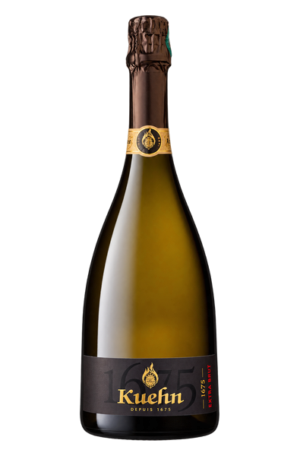
Maison Kuehn Crémant d’Alsace Extra Brut Cuvée 1675
French Sparkling
$45.99
Pastel yellow with golden reflections, this sparkling wine carries fine, regular bubbles. Toast, roasted notes and dried fruit accompany hazelnut and fresh butter. The grapes are hand-harvested and pressed whole. A first fermentation takes place in tank, while the second occurs in bottle by the traditional method. The blend includes Pinot Auxerrois, Pinot Blanc, Chardonnay, Pinot Gris and Pinot Noir.
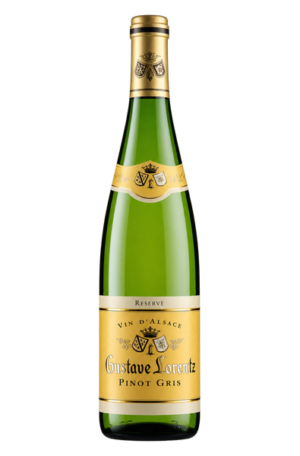
Gustave Lorentz 2023 Pinot Gris Réserve
French White
$48.99
Pale yellow, bright and clean, this Pinot Gris offers wild peach, pear and white fruit. The palate is generous and medium-bodied, with a mouth-filling texture, balanced acidity and a dry finish. Grapes from hillside vineyards around Bergheim are hand-picked and whole pressed. Fermentation uses natural and selected yeasts in stainless steel, followed by two rackings and six months in tank.
Domaine Amélie & Charles Sparr 2022 Pensée Pinot Blanc
French White
$46.99
Yellow stone fruit appears in a completely dry profile with freshness, modest roundness, floral and citrus notes, bright acidity and subtle minerality. Pinot Blanc provides the full composition. The grapes are picked in small crates, and the wine matures for twelve months on fine lees in stainless steel. Residual sugar measures 0.6 grams per litre, and organic farming is used.
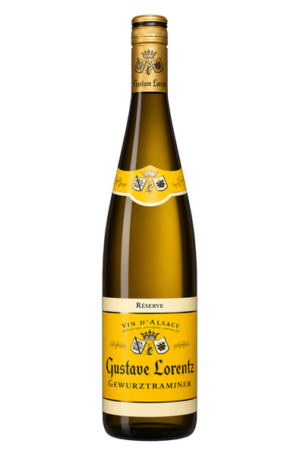
Gustave Lorentz 2023 Gewürztraminer Réserve Alsace
French White
$48.99
Pale gold in colour, the wine has floral and spice aromas. The palate opens warm, while acidity gives the wine length. Richness and complexity are accompanied by freshness. Gewürztraminer provides the full composition. Grapes from hillside vineyards around Bergheim are hand-picked and whole-cluster pressed. Fermentation uses natural and selected yeasts in stainless steel, and the wine remains in tank for five months.
Domaine Ostertag 2023 Vieilles Vignes de Sylvaner
French White
$48.99
Red apple and ginger spice meet a dry, saline profile with pear, white flowers and chalk. The vines are more than fifty-five years old and are farmed biodynamically. After harvest, the wine spends twelve months on its lees in stainless steel. It carries both organic and biodynamic certification, contains 12.5 percent alcohol, and fresh mineral character is also present.
Domaine Charles Sparr Crémant d’Alsace Brut NV
French Sparkling
$51.99
Tart citrus, herbs and mineral notes accompany a medium-bodied, moderately fruity profile with full acidity and lift on the finish. Pinot Blanc forms the entire blend. Secondary fermentation takes place in bottle, and lees ageing lasts twelve to eighteen months. The wine is Brut, with twelve percent alcohol and 4.3 grams per litre of residual sugar.
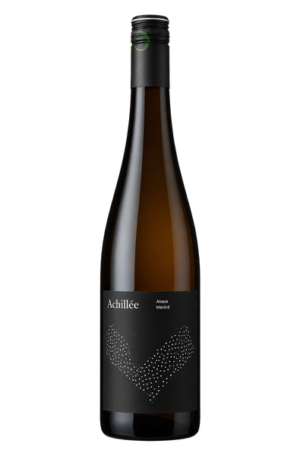
Domaine Achillée Alsace Macéré 2022/2023
French White
$59.99
Moderate orange-yellow colour and natural turbidity accompany citrus, lemon, blood orange, peach, white pepper and conifer sap. The palate has present acidity, a slight spritz, fine tannins, bitter orange, nutmeg, cedar and a saline finish. Pinot Blanc, Gewurztraminer, Pinot Gris and Sylvaner are grown on mainly sandy-gravel soils. One third undergoes about five days of whole-cluster maceration; two thirds are direct pressed, then aged in stainless steel without filtration.
Domaine Marcel Deiss 2020 Ribeauvillé Alsace
French White
$66.99
Apricot, ripe apple, candied lemon, orange, white flowers, honey, fresh herbs and spice accompany a medium-bodied palate with richness, texture, fresh acidity and balance. The finish is floral and mineral. Riesling, Sylvaner and Pinot Blanc come from Gruenspiel, Hagueneau and Weinbaum, on limestone, clay, sandstone and gravel. Fermentation uses indigenous yeast, and maturation lasts at least twelve months in large old barrels.
Domaine Marcel Deiss 2012 Engelgarten Alsace
French White
$67.99
Dry, mineral, warm and stony, the wine has a cold, vertical texture with breadth, strength and a salivating quality. Noble bitterness appears on the sharp finish. The field planting combines Riesling, Pinot Gris, Pinot Beurot, Muscat and Pinot Noir. The gravelly white soil has a marked water deficit, while the older vineyard is managed with very short pruning, ploughing and composting. Serve at 10°C.
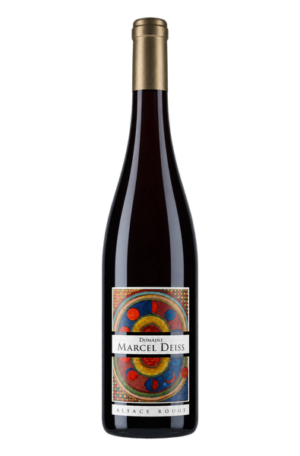
Domaine Marcel Deiss 2020 Alsace Rouge Pinot Noir
French Red
$72.99
Tart redcurrant and cedar appear with red plum and cranberry. Fine-grained tannins and lively acidity accompany the fruit, while earth and black pepper mark a medium-length finish. Pinot Noir comes from clay-limestone soils. Whole bunches are pressed slowly, and indigenous yeasts carry out fermentation. The wine matures on fine lees for one year. The wine is organic.
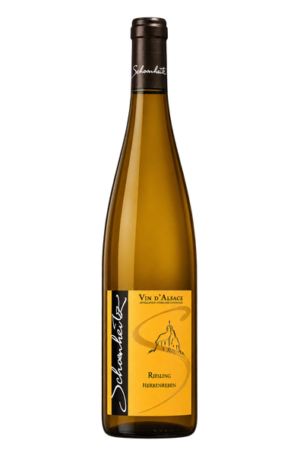
Domaine Schoenheitz 2013 Herrenreben Riesling Alsace
French White
$121.99
Ripe pear, yellow plum and peach appear with rounded fruit and bright acidity. The palate is lively, taut and long, with a dry finish. Riesling grows at altitude on two-mica granite. The vines are forty years old, and maturation takes place in tank. Ripe lemon and pineapple are also present. Residual sugar is three grams per litre, and alcohol is 13.5 percent.
Gustave Lorentz 1989 Pinot Gris Sélection de Grains Nobles
French Dessert
$149.99
Mahogany colour and a deeply candied character accompany balanced sweetness and preserved-fruit notes. The fruit came from the Altenberg de Bergheim vineyard. This sweet white is made from Pinot Gris in Alsace and bears the Sélection de Grains Nobles designation. Successive selections of noble-rot-affected berries are part of the production, and this Pinot Gris style has extreme concentration.
Trimbach 2019 Riesling Grand Cru Schlossberg
French White
$167.99
Clear, elegant aromas include concentrated bright fruit with light flinty and smoky notes. The wine is round, juicy, supple and silky, with delicate bitterness on the finish. Lemon, pear and apple accompany a stony, precise and balanced profile and a lingering finish. Riesling grows on granite terraces that face south beside the castle. The wine is dry, delicate and chiselled.
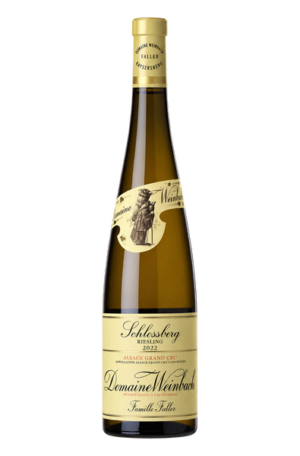
Domaine Weinbach 2022 Riesling Grand Cru Schlossberg
French White
$167.99
Fresh orchard fruit, light floral notes and beeswax appear with crisp, vivid acidity. The wine is light-bodied and balanced, with minerality and a long finish. Riesling grows on the granite soils of Schlossberg. Alcohol is 14.5 percent. The grapes are biodynamically grown under Demeter certification. The golden-yellow wine also shows grapefruit, ripe pear, tobacco, lemon and saline notes.