









Pierre-Olivier Bonhomme
Pierre-Olivier Bonhomme
AboutPierre-Olivier Bonhomme
Pierre-Olivier Bonhomme began with harvest work at Clos du Tue-Boeuf in 2004, then studied viticulture while learning alongside Thierry Puzelat. Their Puzelat-Bonhomme partnership later became Domaine Pierre-Olivier Bonhomme, with the 2013 vintage marking the change to his own name. He works with organically farmed estate vineyards and purchased organic grapes to make wines across Touraine, Cheverny and Vin de France.
Alongside Sauvignon, Chenin, Gamay and Pinot Noir, the range includes local varieties such as Romorantin, Menu Pineau, Côt and Pineau d’Aunis. Most whites are pressed directly and aged in older barrels; reds generally ferment with whole bunches, using semi-carbonic fermentation. Only tiny amounts of sulphur are added at bottling, and only when considered necessary.
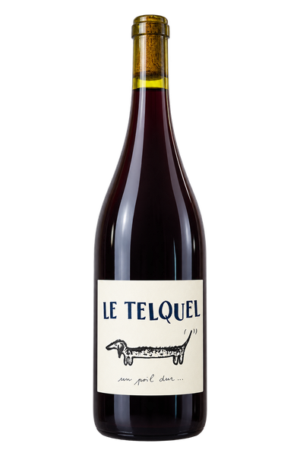
Pierre-Olivier Bonhomme 2022 Le Telquel
French Red
$42.99
Fruit, perfume and medium body define this Loire red. Le Telquel is identified as Gamay Noir. Fermentation takes place in large open-top foudre, followed by pressing into neutral barrels and six months of maturation before bottling. No sulphur is added to this cuvée. The wine comes from the Loire Valley and carries the Vin de France designation.
Pierre-Olivier Bonhomme 2022 Sauvignon de Touraine
French White
$44.99
Creamy notes meet mature apple, chalk, flowers and lemon in a full-bodied Sauvignon Blanc. Fresh almonds and candied fruit are also present, with fresh acidity and a fruity finish. Grapes grow organically on flinty limestone and sandy soils. Lees contact lasts at least five months in tanks and old oak, sulphur use is low, and alcohol is thirteen percent.
Pierre-Olivier Bonhomme 2020 Vercheny Rouge
French Red
$47.99
The release is made entirely from Pinot Noir grown in the Cheverny area on clay-and-sand soils. The clay is associated with concentration and depth, while the sandy ground is associated with fruit character. The harvest yielded thirty-five hectolitres per hectare. Because the blend contains no Gamay, the wine is presented as Vin de France rather than under the Cheverny appellation.
Pierre-Olivier Bonhomme 2020 Meslier Vin de France
French White
$48.99
Pear, yellow flowers and caramel appear in the aromatics. The palate is pure and full, with transparent fruit extract, fine acidity, gentle bitterness and mineral character. Meslier Saint-François provides the full composition from vines averaging fifty-two years old on clay-limestone soils. Natural fermentation lasts forty-five days in fibre tanks. Maturation lasts five months in used 228-litre barrels. The wine is bottled unfiltered.
Pierre-Olivier Bonhomme 2020 Melon de Bourgogne
French White
$48.99
Organically grown Melon de Bourgogne comes from the village of Oudon in the Loire and is harvested by hand. The grapes are pressed and aged for about six months in neutral 500-litre barrels. The profile is pure and balanced, with roundedness from barrel ageing and bright acidity. Melon de Bourgogne was once common in Burgundy and is the variety used for Muscadet.