





Cabernet Franc
Cabernet Franc
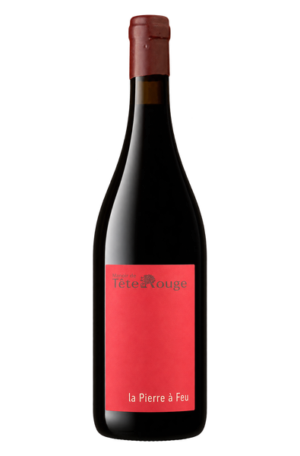
Manoir de la Tête Rouge 2016 Pierre à Feu Saumur Puy-Notre-Dame
French Red
Cabernet Franc and Cabernet Sauvignon come from thirty-year-old vines on Jurassic limestone with flint. The two varieties are co-fermented after hand harvesting from two parcels. Dark ruby colour accompanies elder-bark notes, firm acidity and fine, slightly angular tannins. Iron oxides in the soil are associated with sanguine, meaty and metallic notes. The vineyards have been farmed organically since nineteen ninety-eight and biodynamically since two thousand ten.
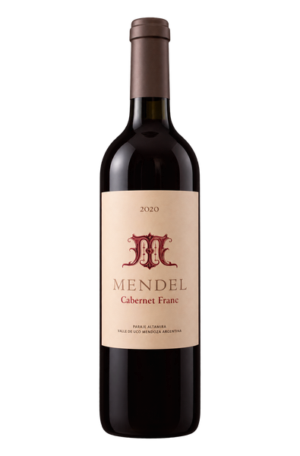
Mendel 2020 Cabernet Franc Paraje Altamira
Argentinian Red
Intense ruby colour accompanies raspberry, cherry and pink and black pepper. The tannins are ripe and firm, with a silky texture and lingering finish. Cabernet Franc grows at 1,100 metres in Paraje Altamira on sandy loam over massive calcareous blocks. Grapes are harvested and selected by hand. Maceration lasts twenty-five days. Ageing lasts twelve months in French oak divided equally among new, second-use and third-use barrels.
Domaine Mosse 2021 Bisou Vin de France
French Red
Raspberry colour accompanies blackberry, cardamom and fresh fig. The wine is light and fruity, with a direct attack and a tangy finish. Grolleau Noir, Grolleau Gris, Gamay, Cabernet Franc and Chenin are vinified separately with four-to-ten-day semi-carbonic macerations. Ageing lasts eight months in foudre. Indigenous yeasts are used, and the wine is bottled unfiltered with twenty-four milligrams per litre of total sulphur.
Fairview Cellars 2016 The Bear Reserve Meritage Golden Mile Bench
Canadian Red
Red and black berries, currant, tobacco, bell pepper, herbs and anise define the profile. Integrated tannins, medium acidity and a long, clean, balanced finish are present. The blend combines Cabernet Sauvignon, Merlot, Cabernet Franc, Malbec and Petit Verdot, with Cabernet Sauvignon making up at least half. The wine comes from Golden Mile Bench in British Columbia.
Château Pailhas 2022 Saint-Émilion
French Red
Red fruit, blackcurrant, blackberry, Morello cherry and spice shape the profile. The blend is eighty percent Merlot and twenty percent Cabernet Franc. The vines average thirty-five years on clay-limestone soils and are mechanically harvested. Vinification takes place in concrete and stainless-steel tanks. Ageing is divided evenly between new barrels and barrels that have held at least one wine.
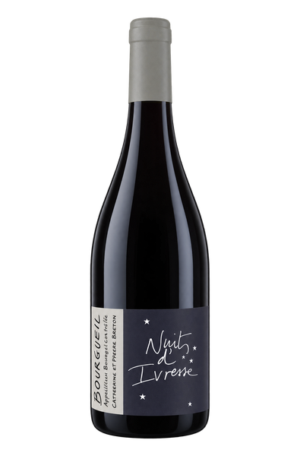
Catherine & Pierre Breton 2019 Nuits d’Ivresse Bourgueil
French Red
Smoky black fruit, spice and wild bramble accompany a broad, structured profile with smooth tannins. Cabernet Franc is hand-harvested, destemmed and fermented for three weeks with native yeast. Malolactic fermentation and ageing take place in used barrels. No sulfur is added during vinification. The vines are farmed organically and biodynamically, and the wine contains thirteen and a half percent alcohol.
Echo Bay 2017 Cabernet Franc
Canadian Red
The fruit was destemmed and crushed before fermentation in an open-top tank. The wine then spent eighteen months in barrel, half of it new, and was bottled with thirty parts per million of sulphur. Production totalled 120 cases, and alcohol is 13.5 percent. Cabernet Franc comes from a southwest-facing vineyard above Skaha Lake, just north of Okanagan Falls.
Château Haut-Cadet 2019 Saint-Émilion Grand Cru
French Red
This is a still red wine. Fruit is joined by spice, toast and grilled notes. The wine has good volume and supple tannins. Grapes were harvested by hand, and vinification used concrete and stainless-steel tanks. Merlot accounts for eighty-five percent of the planting, with fourteen percent Cabernet Franc. Ageing took place in tank, and production totalled fifty-five thousand bottles.
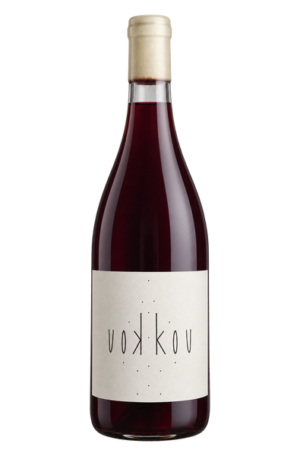
Broc Cellars 2019 KouKou Cabernet Franc
American Red
Cabernet Franc comes from Crown Point Vineyard in Happy Canyon. The site has serpentine loam and clay-loam soils, with pronounced shifts between daytime and nighttime temperatures. Whole clusters are placed in concrete, foot crushed and gently pumped over. The wine is pressed back into concrete for ten months of ageing before bottling. It contains twelve percent alcohol and comes from Santa Barbara County.
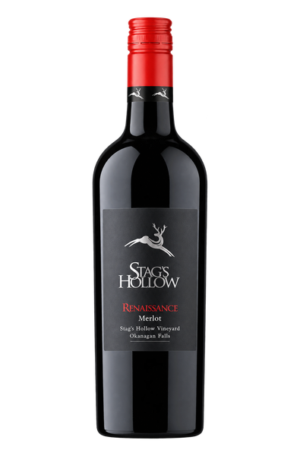
Stag’s Hollow 2022 Renaissance Merlot
Canadian Red
Plump red cherry and plum appear with candied violet, cedar and cocoa nibs. The palate is polished and glycerious, with fresh acidity. The blend is ninety-four point nine percent Merlot, five percent Cabernet Sauvignon and zero point one percent Cabernet Franc. Its fruit comes from the gravel soils of a southwest-facing vineyard in Okanagan Falls, where small clusters and berries naturally limit yields.
Echo Bay 2022 Synoptic Red Blend
Canadian Red
Cabernet Franc, Merlot, Cabernet Sauvignon, Malbec, Carménère and Petit Verdot make up the red blend. The grapes are organically grown and ferment with wild yeast. The wine is bottled unfined and unfiltered after sixteen months in French oak, fifteen percent new. Its fruit comes from Okanagan Falls in British Columbia, and the finished wine contains fourteen percent alcohol.
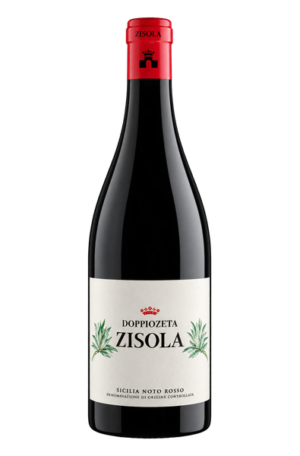
Zisola 2010 Doppiozeta Noto Rosso DOC
Italian Red
The wine is deep ruby in colour, with dark fruit, coffee, tobacco and spice, while smooth tannins accompany layered flavour. The blend is sixty-five percent Nero d'Avola, twenty-five percent Syrah and ten percent Cabernet Franc. Bush-trained vines grow at 130 metres on calcareous soils with southeast exposure. The grapes are gently pressed and macerated for about two weeks, then fermented at 28–30°C and matured for sixteen months in barriques.
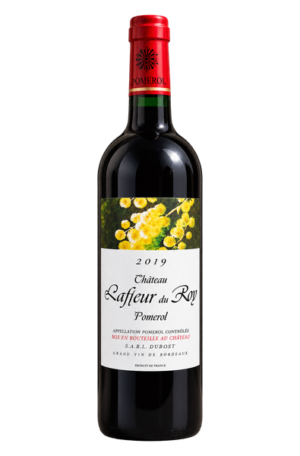
Château Lafleur du Roy 2019 Pomerol
French Red
Merlot forms eighty-five percent of the blend, with ten percent Cabernet Franc and five percent Cabernet Sauvignon. Red berries, raspberry, cassis, truffle, liquorice, sweet spice, vanilla, nutmeg, tobacco, cocoa, black cherry and mineral notes are present. The texture is velvety and the tannins are melted. Hand-harvested fruit ferments in temperature-controlled stainless steel before fifteen to eighteen months in French oak, one-third new.
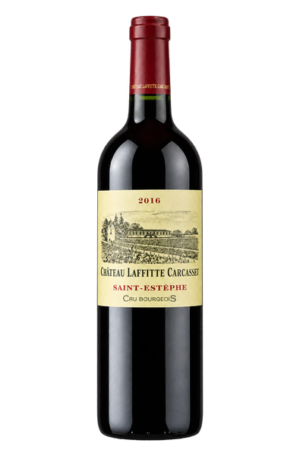
Château Laffitte Carcasset 2016 Saint-Estèphe
French Red
Black fruit, red plum and cedar appear with a woody texture. The tannins are pleasant, and the wine has concentration and harmony. Its ruby colour, delicate fruit and toast sit with a structured palate that is not aggressive. Cabernet Sauvignon, Merlot and Cabernet Franc form the blend. The Saint-Estèphe red spends twelve months in oak barrels.
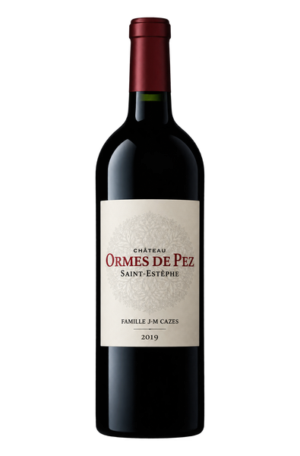
Château Ormes de Pez 2019 Saint-Estèphe
French Red
Purplish garnet colour accompanies fresh blackberry and blackcurrant. The texture is velvety, with well-rounded tannins and toasted notes from barrel maturation. The blend is fifty percent Merlot, forty percent Cabernet Sauvignon, seven percent Cabernet Franc and three percent Petit Verdot. Fruit was hand picked and sorted in the vineyard. Maturation lasted sixteen months in French oak, including forty-five percent new wood.
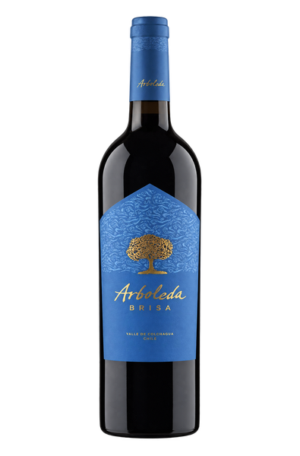
Viña Arboleda 2018 Brisa
Chilean Red
Raspberry, blackcurrant leaf, savoury black fruit, rosemary and dried herbs appear with bright acidity. The finish is soft and somewhat dry, with pepper and balsamic notes. The blend is 36% Syrah, 24% Grenache, 20% Cabernet Sauvignon, 12% Cabernet Franc and 8% Mourvèdre. Maturation lasts twenty-two months in French oak barrels; 38% are new, and 15% of the wine matures in foudres.
Domaine de l’Écu 2018 Rex
French Red
Fresh strawberry, cherry and raspberry notes are present with supple tannins, and the finish is spicy. Cabernet Franc and Gamay form the blend. The wine is classified as 100 percent Natural and made without added sulphites. Total sulphites are 15 mg/L. This red comes from France's Loire Valley and carries the Vin de France designation.
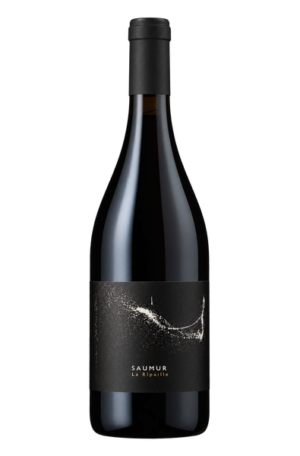
Brendan Stater-West 2022 Saumur Rouge
French Red
Cabernet Franc from young vines in the La Ripaille parcel shows redcurrant, pomegranate and earth, with mushroom, spice and humus also present. The fruit is fresh, the texture silky and the tannins fine. The vines grow on clay-limestone soils, and the wine has medium structure; suggested serving temperature is 16°C. Pairings include red meat, white meat, veal, sausage and cheese.
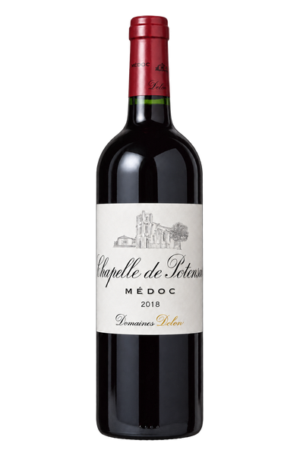
La Chapelle de Potensac 2018 Médoc
French Red
Blackcurrant, redcurrant, green tobacco, cedar and spring flowers form the aromatic profile. The palate is medium-bodied, supple and harmonious, with light tannins, a round, balanced texture and a fresh finish. The blend is seventy percent Merlot, twenty-five percent Cabernet Sauvignon and five percent Cabernet Franc. Raspberry, blackberry, blueberry, liquorice, nutmeg and dried almond provide further detail.
Château du Hureau 2017 Lisagathe Saumur-Champigny
French Red
Cabernet Franc comes from old vines rooted in clay and sand over Turonian limestone. Harvesting is by hand, followed by sorting and complete destemming. Maceration lasts twenty-five to thirty-five days, and malolactic fermentation takes place in tank. The wine matures for eighteen to twenty-four months in foudres and barrels. Its profile combines depth and power with finesse.
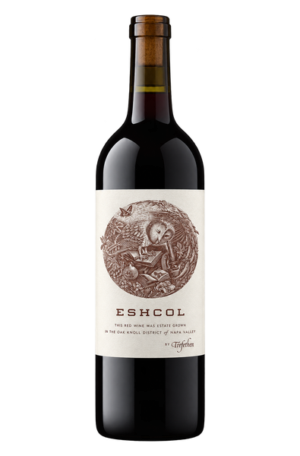
Trefethen 2021 Eshcol Red Oak Knoll District
American Red
Cabernet Sauvignon accounts for fifty-one percent of the blend, with Malbec at twenty-three percent, Merlot and Petit Verdot at twelve percent each, and Cabernet Franc at two percent. Raspberry and Bing cherry appear with leather and liquorice. Dark fruit and black pepper are also present. The finish is balanced and smooth. Fruit comes entirely from the Main Ranch estate vineyard, and maturation lasts fourteen months.
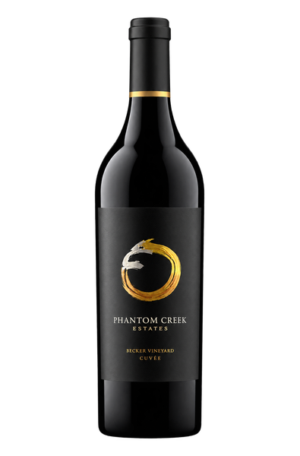
Phantom Creek Estates 2020 Becker Vineyard Cuvée
Canadian Red
Merlot, Cabernet Sauvignon and Cabernet Franc form the blend. Kirsch, plum and spiced blackberry appear with dried sage, dark chocolate, cedar and oak. The profile is full-bodied and balanced, with fruit weight and a long finish. The historic vineyard lies on the Black Sage Bench. Higher spring rainfall and mild temperatures were followed by hot, dry conditions through harvest. Smaller berries contributed concentrated flavours and elevated tannins.
Hillside Winery 2017 Mosaic Naramata Bench
Canadian Red
The blend is thirty-three percent Merlot, twenty-five percent Cabernet Franc, eighteen percent Malbec, seventeen percent Cabernet Sauvignon and seven percent Petit Verdot. It matures for eighteen months in French oak, forty-two percent new. The tannins are mostly dispersed, leaving a silky, dry texture. The fruit comes from vineyards on Naramata Bench in British Columbia's Okanagan Valley.
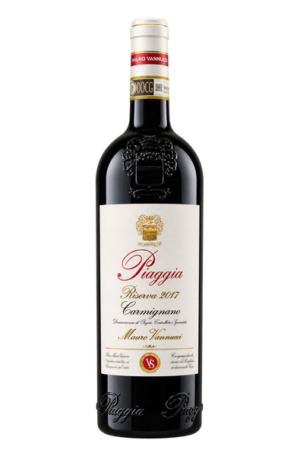
Piaggia 2017 Carmignano Riserva DOCG
Italian Red
Raspberry and strawberry appear with dark ruby and garnet colour. The palate is dense, with a melting texture and a long finish. Sangiovese is joined by Cabernet Sauvignon, Cabernet Franc and Merlot. The fruit comes from an old vineyard at Piaggia, about 250 metres above sea level, with southwest exposure and clay and galestro soils. Grapes are harvested by hand and selected in small boxes. Fermentation is spontaneous, and skin maceration lasts eighteen to twenty-eight days.
Ampeleia 2019 Cabernet Franc Toscana IGT
Italian Red
Black cherry and dark mulberry appear with sandalwood, vetiver, black pepper, allspice, thyme and black cardamom. Firm, tactile tannins accompany a long, cool finish. Cabernet Franc grows on clay, stone and limestone soils at Roccatederighi. The wine ferments spontaneously with fifteen percent whole clusters and spends two to three weeks on the skins. It matures for six months in concrete, six months in wood and two years in bottle.
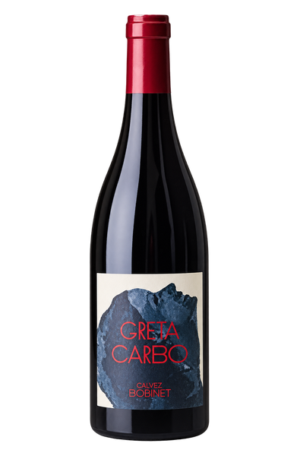
Domaine Calvez-Bobinet 2016 Greta Carbo Saumur-Champigny
French Red
Cabernet Franc comes from a small single parcel whose vines produce unevenly sized berries. Carbonic maceration is used for the grapes and gives the wine its particular identity. The texture is silky, with vegetal, fruit and pepper notes and a delicate palate. It is a red from Saumur-Champigny in the Loire Valley and contains twelve and a half percent alcohol.
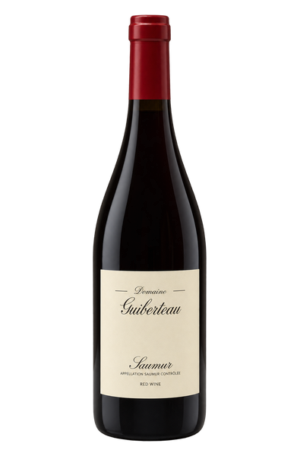
Domaine Guiberteau 2021 Saumur Rouge
French Red
Cabernet Franc comes from three old-vine parcels with silty and sandy topsoils over limestone. The vines were planted in the mid-1950s. Grapes are fully destemmed, fermented in concrete with indigenous yeast and matured for twelve months in a large conical wooden vat. Sour cherry, blackberry and raspberry appear with bell pepper, earth, violets and flint. The palate has fresh acidity and fine tannins, with a mineral and herbal finish.
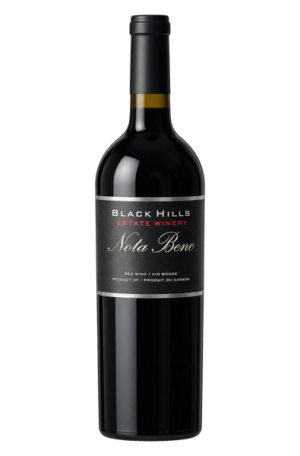
Black Hills 2022 Nota Bene Okanagan Valley
Canadian Red
Dewberry, black cherry, herbal notes and floral lift are joined by redcurrant, sweet mint and raspberry blossom. The palate is rich and fresh, with fine-grained tannins. The blend is forty-six percent Merlot, thirty-six percent Cabernet Sauvignon and eighteen percent Cabernet Franc. Wild yeasts conduct fermentation, and ageing lasts eighteen months in French-oak barriques and puncheons, forty-seven percent new. Alcohol is fourteen and a half percent.
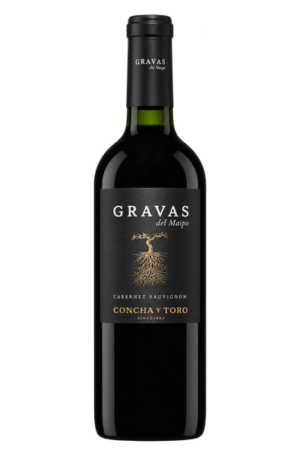
Concha y Toro 2019 Gravas del Maipo Cabernet Sauvignon Puente Alto
Chilean Red
Deep red colour is accompanied by fresh red-fruit and spice aromas. The palate has intensity and depth, with fine, velvety tannins. The blend is eighty-six percent Cabernet Sauvignon, ten percent Cabernet Franc and four percent Merlot. Grapes come from the Puente Alto Vineyard at 650 metres, where soils are rocky, alluvial, deep and poor in nutrients. Fermentation lasts eight days in stainless steel, followed by ten days of post-fermentation maceration and fourteen months in French oak.
Montes 2020 Wings Carménère Apalta
Chilean Red
Deep red colour has purple undertones. Blackberry and blueberry are joined by bell pepper, black pepper and sweet French-oak notes. The rounded palate is smooth, with a long finish. The blend is eighty-five percent Carménère and fifteen percent Cabernet Franc. Fruit comes from hillside blocks at the Apalta estate in the Colchagua Valley. Ageing lasts sixteen months in French oak, with eighty percent new barrels. Alcohol is fourteen and a half percent.