








Bordeaux
Ducru Beaucaillou 2015 Saint-Julien
$599.99“The 2015 Ducru-Beaucaillou has a high percentage of Cabernet Sauvignon at 95%, with just 5% Merlot in the blend. Deep garnet colored, it prances out of the glass with flamboyant notes of rose oil, sandalwood, and star anise, leading to a core of kirsch, warm cassis, and redcurrant jelly, plus a waft of cardamom. Medium to full-bodied, the palate is coated with opulent exotic spices and red and black berry preserves layers, framed by velvety tannins and lovely tension, finishing long and seductive. 98 points.” – Lisa Perrotti-Brown MW, The Wine Independent, November 2022
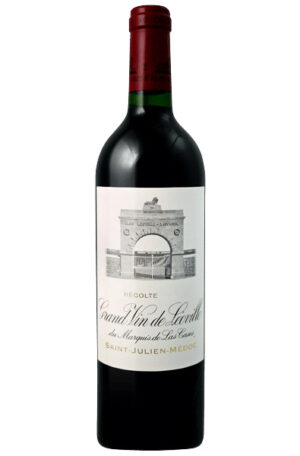
Leoville Las Cases 1991
$599.99Château Léoville Las Cases is often considered an “honorary First Growth” for its uncompromising quality, structure, and longevity. It is a towering example of Left Bank claret, showcasing brooding power matched to exquisite elegance. The nose is deep and sophisticated: cassis and black cherry fruit mingle with graphite, pencil lead, and cigar-box cedar, plus hints of smoke, tobacco leaf, and truffle in matured examples.
On the palate, Las Cases is full-bodied and densely packed – it unfurls layers of ripe blackcurrant, blueberry, and dark plum, all tightly woven into a fabric of fine yet very present tannins. The wine’s structure is formidable (especially in great vintages like 1982 or 1996), delivering a “powerful yet refined” palate with tightly knit texture and a long mineral finish. There is a strong terroir character of mineral/iron and a certain Pauillac-like regality (unsurprising, as its vineyards border Latour). Despite the concentration, Las Cases always retains a sense of balance and polish – acidity and fruit in harmony – so that after decades, it reveals extraordinary nuance.
The finish is legendary: long, resonant, and complex, with persistent notes of cool black fruits, flinty minerality, and lingering spice/tobacco. In summary, Léoville Las Cases epitomizes St-Julien’s breed at the highest level – immensely rich and structured in its youth, evolving into a wine of remarkable depth, finesse, and gravitas that rivals the Médoc’s very best.
Lanbersac Puisseguin Saint Emilion 375Ml
$20.99Château Lanbersac (Puisseguin-St-Émilion) is a Merlot-based wine that consistently delivers ripe fruit and solid structure at a great value. It greets you with a forward nose of juicy blackberry and black plum, accompanied by hints of baking spice and cedar, and sometimes a touch of mocha or chocolate from oak. There’s an underlying earthy note as well, reflecting its limestone clay terroir.
On the palate, Lanbersac is well-structured and full of fruit. Plush blackberries and ripe cherry flavors fill the mouth, balanced by a rich texture and firm, chalky tannins that remind you this is a serious wine for aging. Indeed, Wine Enthusiast has noted it as a “well-structured wine with spice, ripe blackberry fruits and a rich texture… tannins still firm, giving a strong, dry core”. Despite that robust core, the wine doesn’t come off as overly tough – the fruit is generous enough to coat the structure. Hints of pepper, clove, and toasted oak add complexity on the mid-palate.
The finish is long and chewy, with dark fruit and a touch of dryness from the tannin (which will mellow with a couple more years). In sum, Château Lanbersac is muscular yet fruity – a satellite St-Émilion offering rich, sweet black fruit, ample spicy oak, and a backbone of firm tannin to ensure it can age and develop further complexity.
Perron 2020 Lalande-De-Pomerol
$62.99Château Perron offers a generous taste of the Right Bank at a gentle price, coming from the Lalande-de-Pomerol appellation just north of Pomerol. The style is rich and approachable. On the nose it shows a “many-layered” compote of black and red fruits – think lush red plum, black cherry, and mulberry – accented by notes of dark baking spice, fresh oak, and a bit of cocoa. There is often a subtle earthy tone, like loamy soil or pencil shavings, in the background.
The palate is medium-plus in body with a smooth, rounded texture. Ripe Merlot-driven flavors of plum jam and juicy blackberry dominate, bolstered by hints of vanilla, cinnamon, and mocha from barrel aging. Tannins are soft and fine-grained, giving a velvety mouthfeel that makes the wine quite easy to drink even when young. Despite its plushness, Perron retains enough structure and acidity to remain balanced – a mild toast and earthy undertone add complexity to the sweet fruit core. The finish is fruit-filled and moderately long, leaving impressions of spiced berries and a touch of espresso bean.
Overall, Château Perron is rich, fragrant, and crowd-pleasing: a wine with plenty of ripe fruit, a gentle spicy oak framework, and an inviting, smooth profile that captures the essence of a mini-Pomerol experience.
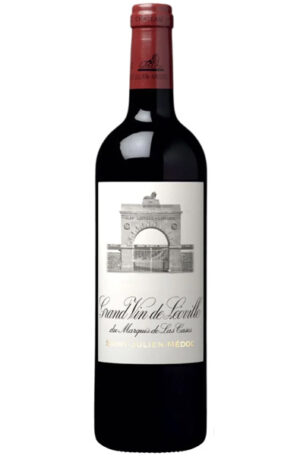
Leoville Las Cases 1983 St-Julien
$699.99Château Léoville Las Cases is often considered an “honorary First Growth” for its uncompromising quality, structure, and longevity. It is a towering example of Left Bank claret, showcasing brooding power matched to exquisite elegance. The nose is deep and sophisticated: cassis and black cherry fruit mingle with graphite, pencil lead, and cigar-box cedar, plus hints of smoke, tobacco leaf, and truffle in matured examples.
On the palate, Las Cases is full-bodied and densely packed – it unfurls layers of ripe blackcurrant, blueberry, and dark plum, all tightly woven into a fabric of fine yet very present tannins. The wine’s structure is formidable (especially in great vintages like 1982 or 1996), delivering a “powerful yet refined” palate with tightly knit texture and a long mineral finish. There is a strong terroir character of mineral/iron and a certain Pauillac-like regality (unsurprising, as its vineyards border Latour). Despite the concentration, Las Cases always retains a sense of balance and polish – acidity and fruit in harmony – so that after decades, it reveals extraordinary nuance.
The finish is legendary: long, resonant, and complex, with persistent notes of cool black fruits, flinty minerality, and lingering spice/tobacco. In summary, Léoville Las Cases epitomizes St-Julien’s breed at the highest level – immensely rich and structured in its youth, evolving into a wine of remarkable depth, finesse, and gravitas that rivals the Médoc’s very best.
Leoville Las Cases 1982 St-Julien
$1,159.99Château Léoville Las Cases is often considered an “honorary First Growth” for its uncompromising quality, structure, and longevity. It is a towering example of Left Bank claret, showcasing brooding power matched to exquisite elegance. The nose is deep and sophisticated: cassis and black cherry fruit mingle with graphite, pencil lead, and cigar-box cedar, plus hints of smoke, tobacco leaf, and truffle in matured examples.
On the palate, Las Cases is full-bodied and densely packed – it unfurls layers of ripe blackcurrant, blueberry, and dark plum, all tightly woven into a fabric of fine yet very present tannins. The wine’s structure is formidable (especially in great vintages like 1982 or 1996), delivering a “powerful yet refined” palate with tightly knit texture and a long mineral finish. There is a strong terroir character of mineral/iron and a certain Pauillac-like regality (unsurprising, as its vineyards border Latour). Despite the concentration, Las Cases always retains a sense of balance and polish – acidity and fruit in harmony – so that after decades, it reveals extraordinary nuance.
The finish is legendary: long, resonant, and complex, with persistent notes of cool black fruits, flinty minerality, and lingering spice/tobacco. In summary, Léoville Las Cases epitomizes St-Julien’s breed at the highest level – immensely rich and structured in its youth, evolving into a wine of remarkable depth, finesse, and gravitas that rivals the Médoc’s very best.
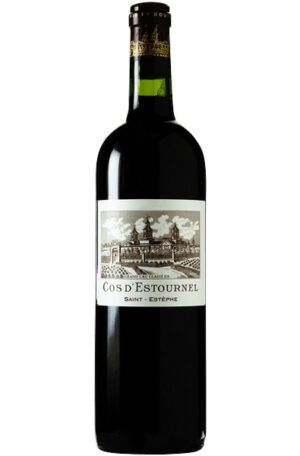
Cos D’Estournel 2003 St-Estephe
$599.99Château Cos d’Estournel is famed for a bold yet exotic St-Estèphe style. It delivers the appellation’s dense, powerful structure alongside a unique elegance and spice-laden aroma profile. Expect layers of dark fruit (blackberry, plum) infused with Indian/Asian spices, vanilla and cedar, reflecting Cos’s oriental flair. The palate is full-bodied and velvety, with subtle tannins and fresh acidity harmonizing the richness.
This “pagoda-adorned” château’s red exudes balance and purity – a harmony of silky tannins, vibrant black fruits, and a powerful terroir imprint that leaves a long, suave finish. It’s an opulent yet refined Saint-Estèphe, often described as seductive and exotic in character.
Leoville Las Cases 1995 Saint Julien
$899.99Château Léoville Las Cases is often considered an “honorary First Growth” for its uncompromising quality, structure, and longevity. It is a towering example of Left Bank claret, showcasing brooding power matched to exquisite elegance. The nose is deep and sophisticated: cassis and black cherry fruit mingle with graphite, pencil lead, and cigar-box cedar, plus hints of smoke, tobacco leaf, and truffle in matured examples.
On the palate, Las Cases is full-bodied and densely packed – it unfurls layers of ripe blackcurrant, blueberry, and dark plum, all tightly woven into a fabric of fine yet very present tannins. The wine’s structure is formidable (especially in great vintages like 1982 or 1996), delivering a “powerful yet refined” palate with tightly knit texture and a long mineral finish. There is a strong terroir character of mineral/iron and a certain Pauillac-like regality (unsurprising, as its vineyards border Latour). Despite the concentration, Las Cases always retains a sense of balance and polish – acidity and fruit in harmony – so that after decades, it reveals extraordinary nuance.
The finish is legendary: long, resonant, and complex, with persistent notes of cool black fruits, flinty minerality, and lingering spice/tobacco. In summary, Léoville Las Cases epitomizes St-Julien’s breed at the highest level – immensely rich and structured in its youth, evolving into a wine of remarkable depth, finesse, and gravitas that rivals the Médoc’s very best.
Leoville Las Cases 1999 Saint Julien
$589.99Château Léoville Las Cases is often considered an “honorary First Growth” for its uncompromising quality, structure, and longevity. It is a towering example of Left Bank claret, showcasing brooding power matched to exquisite elegance. The nose is deep and sophisticated: cassis and black cherry fruit mingle with graphite, pencil lead, and cigar-box cedar, plus hints of smoke, tobacco leaf, and truffle in matured examples.
On the palate, Las Cases is full-bodied and densely packed – it unfurls layers of ripe blackcurrant, blueberry, and dark plum, all tightly woven into a fabric of fine yet very present tannins. The wine’s structure is formidable (especially in great vintages like 1982 or 1996), delivering a “powerful yet refined” palate with tightly knit texture and a long mineral finish. There is a strong terroir character of mineral/iron and a certain Pauillac-like regality (unsurprising, as its vineyards border Latour). Despite the concentration, Las Cases always retains a sense of balance and polish – acidity and fruit in harmony – so that after decades, it reveals extraordinary nuance.
The finish is legendary: long, resonant, and complex, with persistent notes of cool black fruits, flinty minerality, and lingering spice/tobacco. In summary, Léoville Las Cases epitomizes St-Julien’s breed at the highest level – immensely rich and structured in its youth, evolving into a wine of remarkable depth, finesse, and gravitas that rivals the Médoc’s very best.
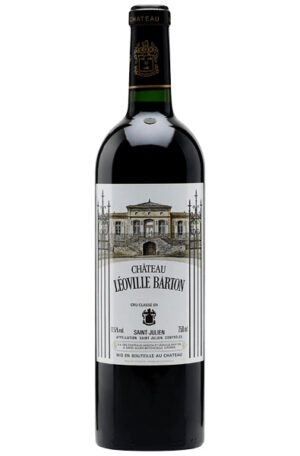
Leoville Barton 2005 Saint Julien
$329.99Château Léoville Barton is a textbook St-Julien – sturdy, structured, and profoundly age-worthy. It has a reputation for being traditional, “masculine and beefy” in style, requiring patience for its firm tannins to soften. The aromas lead with deep blackcurrant and black cherry intertwined with classic Médoc notes of cigar box, cedar wood, and graphite. There’s often a floral hint (violet) and a touch of earthy spice (tobacco, pencil lead) as well.
On the palate, Léoville Barton is full-bodied and tightly knit. The Cabernet Sauvignon-driven flavors of cassis and dark plum are concentrated and wrapped in a wall of fine but prominent tannins that give the wine a gripping structure. This wine is decidedly not about immediate charm – in youth it can be brooding, with the fruit hidden behind iron-like minerality, charcoal, and a hint of mint or herbs. Given enough cellar time, it blossoms beautifully: the blackcurrant fruit becomes expansive and sweetly ripe, the tannins turn velvety, and complex nuances of leather, truffle, and warm spices emerge. The finish is always long and authoritative, leaving savory blackcurrant, cedar, and a touch of peppery spice.
In short, Léoville Barton is a quintessential claret of power and pedigree – packed with intense Cabernet fruit and strong graphite-tobacco structure, it’s firmly classical and immensely satisfying for those who value depth over flash.
Trotte Vieille 2005 St Emilion
$359.99Château Trotte Vieille is a historic St-Émilion known for a more classically styled, Cabernet Franc-leaning wine. Its profile emphasizes freshness, mineral nuance, and structure. The bouquet often has a distinctive limestone-derived minerality and a touch of “oceanic” freshness alongside aromas of crushed red berries, cherry, and subtle florals. You might also detect herbal and earthy notes – cedar, tea leaf, a hint of menthol – reflecting its old-vine Cab Franc component.
On the palate, Trotte Vieille is medium-bodied and firmly framed. It has bright, savory red fruit flavors (tart cherry, redcurrant) that are lively but not overly dense, supported by dry, fine-grained tannins that give it a serious backbone. The style here is more “old-school” Saint-Émilion: not overly sweet or plush, but rather elegant, with a certain austerity in youth. The finish highlights that tension between fruit and earth – you’ll note the fresh acidity, a touch of bitter cherry skin, graphite, and a gentle toastiness.
With some age, the wine gains softness and the tannins relax, revealing more round fruit and a lovely perfume of violet and forest floor. In essence, Château Trotte Vieille is fresh, mineral, and aristocratic – a wine of subtle complexity and classic balance, showcasing Saint-Émilion’s limestone terroir through its lifted aromatics and refined, persistent finish.
La Commanderie 2019 Saint Emilion
$81.99Château La Commanderie produces a supple, polished St-Émilion that is pleasurable even when young. The wine often opens with aromas of ripe black cherry and red currant along with pretty floral tones (rose petal) and a touch of savory herb, tobacco, and earth.
On the palate it is medium-bodied, fresh, and silky. The Merlot-rich fruit profile is sweet and creamy in texture – you’ll taste lush red cherries and plums that are impressively pure and vibrant. Tannins are very soft and polished, giving a velvety mouthfeel with no hard edges. Hints of cocoa and espresso emerge towards the finish, adding a gentle savory accent to the sweet fruit. Despite the easy-drinking nature, the wine isn’t simple; there is brightness and a bit of length, with the finish showing lingering black cherry, a dash of cocoa, and a savory, minty touch. In warmer years it can approach a “creamy, supple” richness, while maintaining lift.
Overall, La Commanderie is soft, refined, and fruit-forward, offering sweet, ripe berries on a polished frame. It can be enjoyed on release for its silky, vibrant charm, yet a few years of cellaring can further integrate its flavors and add even more smoothness to the already suave finish.
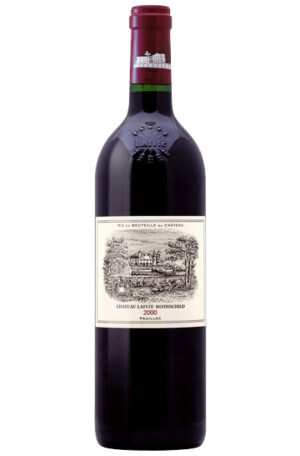
Lafite 2004 Pauillac
$2,599.99Château Lafite Rothschild is revered for its supreme elegance and aromatic complexity. It is the most subtly perfumed of Pauillac’s First Growths – offering a haunting bouquet of cedar, lead pencil shavings, tobacco, and dried flowers atop pure dark berry fruit.
On the palate Lafite is all about finesse: medium-bodied with silky tannins and an almost weightless intensity. Flavors of cassis and red currant are accented by notes of truffle, graphite mineral, and sweet spices, unfolding with graceful precision. Do not mistake its elegance for lightness – Lafite has a quiet depth and persistent length, often revealing more with each sip. With age it gains extraordinary aromatic nuance (tobacco leaf, exotic spice, forest floor) while remaining remarkably fresh and refined. The finish lingers with polished fruit and fine earthiness.
In short, Lafite is the epitome of “power through poise” – an aromatic, cedar-and-cassis beauty that is aristocratic, harmonious, and endlessly elegant.
Margaux 2004
$1,999.99Château Margaux is synonymous with finesse, “haunting” perfume, and silky power. It is often cited as the most fragrant and elegant of the First Growths, immediately seducing with its sumptuous floral bouquet – expect wafting aromas of violets and roses, intertwined with blackcurrant and red cherry fruit, cedarwood, and a touch of exotic spice.
On the palate, Margaux strikes a perfect poise: it’s full of flavor yet weightlessly elegant. The fruit (cassis, plum, blackberry) is pure and polished, carried by ultra-fine, velvety tannins that give a sensual, caressing mouthfeel. There is underlying power (especially in great vintages, with dense ripe Cabernet), but it is always channeled into harmony and length rather than force. Notes of graphite, smoke, and earthy tea leaves can appear in older bottles, but the overall character remains refined and aristocratic.
The finish is typically long, ethereal and nuanced – the flavors persist softly, emphasizing perfume and textural finesse over sheer intensity. In sum, Château Margaux is famous for its incredible finesse and perfume. It delivers an intoxicating combination of floral elegance, sweet pure fruit, and subtle strength, making it a wine of majestic balance and enduring beauty.
De Ferrand 2019 Saint-Emilion
$99.99Château de Ferrand has recently risen in quality, now offering an elegant, vibrant Saint-Émilion that marries ripe fruit with polished structure. The aroma profile highlights ripe black cherries and plums along with floral notes (violet, peony) and indulgent hints of espresso, cocoa, and licorice. There’s an appealing mix of sweet spice and fresh fruit on the nose.
The palate is medium-bodied, forward, and supple, showcasing juicy red and black fruit (cherry, raspberry, plum) that is sweet and energetic in character. What stands out is the silky, lush texture – thanks to very refined tannins, the wine feels velvety and round in the mouth. Hints of chocolate and espresso weave through the fruit, and a subtle streak of minerality and saline freshness (from the limestone terroir) adds lift. The finish is bright and lively, with lingering red berry and mocha notes.
Chateau de Ferrand manages to be rich and polished yet also fresh and spirited, a balance that makes it enjoyable young (for its fruit and softness) while also capable of medium-term aging. In short, it’s a gorgeous, refined St-Émilion that emphasizes elegance, balance, and a beautiful purity of fruit – an estate to watch, now delivering wines of silky charm and subtle complexity.
Brown 2020 Pessac-Leognan
$159.99Château Brown (Rouge) is a Pessac-Léognan known for its forward, plush fruit and mild smoky-earthy notes. It’s a wine that often drinks well young, offering fresh, ripe red-berry flavors along with hints of the Graves character. The nose typically presents bright red and black fruits (raspberry, red currant, plum) complemented by notes of cocoa, espresso, and a whiff of earthy forest floor. There’s also usually a touch of herbal spice or tobacco in the aroma.
The palate is medium-bodied, soft and rounded, delivering juicy, sweet berry fruit that’s immediately accessible. Tannins are present but polished and gentle, making for a smooth, easy-drinking texture. Hints of milk chocolate, roasted coffee bean, and cedar weave into the fruit, especially towards the finish. Brown’s style is soft, forward, and balanced – with enough acidity to keep the fruit lively and enough depth to be interesting, but overall an emphasis on supple drinkability.
The finish is savory and fresh, leaving impressions of creamy red fruits, subtle earth, and a touch of spice. In essence, Château Brown is a generous, modern Graves: it delivers all its fresh, ripe berry charm with a hint of cocoa and earthiness in a silky, approachable package.
Cantenac Brown 2015 Margaux
$229.99Château Cantenac Brown is a Margaux that combines aromatic elegance with a core of ripe fruit and structure. It shows off the appellation’s signature floral perfume alongside a modern richness. The nose typically reveals layers of black fruits – cassis, blackberry, plum – intertwined with violet florals, a touch of cedar, and subtle spice and cocoa notes.
On the palate, Cantenac Brown is medium to full-bodied, with a plush entry of sweet dark berry fruit that’s well-supported by refined, ripe tannins. There is a densely woven mid-palate – polished and “elegantly muscular,” often with hints of graphite, charcoal, or bittersweet chocolate beneath the fruit. Despite the concentration, the wine retains Margaux’s trademark harmony and freshness, never feeling overbearing. Hints of toast and vanilla from élevage are present but integrated, adding complexity without masking the fruit. The finish is long and sophisticated, carried by black fruit, floral and mineral tones.
Overall, Château Cantenac Brown shows the balance of power and finesse: it’s rich and generous in ripe Margaux fruit, yet smooth, focused, and stylish, with violet and cedar accents that remind you of its pedigree.
Doyac Le Pelican 2021 Haut Medoc
$49.99Le Pélican is the special cuvée or second wine of Château Doyac, crafted to be open-knit and earlier-drinking while retaining the estate’s polished style. It shares Doyac’s modern, fruit-forward character with an extra level of approachability.
In the glass, Le Pélican offers vivid aromas of red and black berries (raspberry, currant, blackberry) along with hints of oak spice and floral notes. The palate is medium-bodied and smooth – expect juicy, punchy fruit flavors that are fresh and easy-going. The tannins here are softer and more immediately supple, allowing the wine’s creamy dark fruit and subtle vanilla-cocoa notes to take center stage. A touch of peppery spice or graphite from the terroir adds interest.
The wine has good balance, with a lively acidity keeping the ripe fruit in check, and a rounded, silky finish that leaves impressions of sweet blackberry and a whisper of oak. As a whole, Le Pélican de Doyac is seductive and crowd-pleasing – it delivers the essence of the Haut-Médoc (cassis, cedar, fine tannin) in a more relaxed, ready-to-enjoy package, making it perfect for drinking while the grand vin ages.
Doyac Haut Medoc 2021 Cru Borgeois
$49.99Château Doyac produces a charming, well-balanced Haut-Médoc that has garnered praise in recent years. The wine is fruit-rich and finely tuned – overflowing with plump dark fruits (black cherry, cassis) yet kept lively by good freshness and structure. On the nose it shows aromas of ripe blackberry and plum along with subtle notes of peppery spice, cedar, and cocoa.
The palate is rounded and rich, with a refined, silky texture and supple tannins that give gentle structure. Layers of juicy Merlot-driven fruit are complemented by hints of dark chocolate, sweet spice, and a touch of graphite minerality. Despite the ripeness of fruit, Doyac remains elegant and medium-bodied, not heavy. The finish is impressively long and smooth, with soft tannins and lingering blackcurrant and vanilla notes.
In short, Château Doyac offers lots of fruit, balance and finesse – a modern Haut-Médoc that is full of charm, approachable when young (thanks to its polished tannins), yet with enough depth and acidity to age a bit. The overall impression is one of harmony: a fine core of ripe fruit, gentle oak influence, and a long, elegant close.