














Ciliegiolo
Ciliegiolo
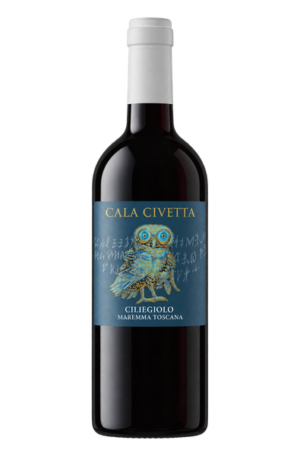
Cala Civetta 2021 Ciliegiolo Maremma Toscana DOC
Italian Red
Bright ruby-red colour has violet hues. Red fruit, cherry and violet aromas accompany a medium-bodied palate with ripe fruit, soft round tannins and a high-energy mouthfeel. The wine is lean and clean, with acidity and alcohol in balance. Made entirely from Ciliegiolo grown in Maremma, Tuscany, it contains thirteen percent alcohol and can accompany chicken or pork tenderloin.

Castello La Leccia 2021 Vivaio del Cavaliere Toscana Rosso IGT
Italian Red
Savoury and meaty aromas meet dried fruit and spice. Ripe black plum, bramble and bright red cherry appear with supple, structured tannins, acidity and a full finish. The blend uses Sangiovese, Malvasia Nera, Syrah and Ciliegiolo. Grapes are harvested by hand in September, followed by temperature-controlled fermentation and seven days of skin maceration. Maturation lasts six months in concrete.
Montemelino 2019 Ciliegio Rosato
Italian Rosé
Fresh fruit and pleasant acidity define a balanced rosato. Ciliegiolo is the sole variety. The grapes are lightly direct-pressed before temperature-controlled fermentation in stainless steel. The vineyard lies about 250 metres above sea level on clay soil with a south-easterly exposure and spurred-cordon training. Harvesting is done by hand in September, with yields capped at five thousand kilograms per hectare.
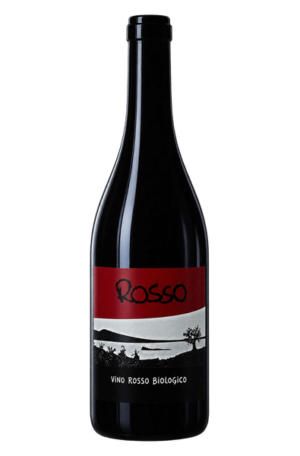
Le Coste 2022 Rosso Lazio
Italian Red
Mostly Grechetto Rosso, a local Sangiovese clone, is joined by small amounts of Ciliegiolo, Colorino, Canaiolo and Vaiano. The grapes come from biodynamically cultivated volcanic soils in Lazio. Hand harvesting is followed by destemming, ten days on the skins and fermentation with indigenous yeasts in barrels. The wine then ages for one year in old Slavonian oak before bottling without filtration, fining or added sulphites.
Monastero Suore Cistercensi 2019 Benedic Lazio Rosso
Italian Red
Pale and translucent in the glass, this gentle red favours clarity over weight. Sangiovese and Ciliegiolo bring fresh red-fruit character, while a two-week maceration adds light grip without sacrificing delicacy. Natural fermentation and restrained cellar work preserve an unadorned, quietly savoury profile. The result remains clear and composed, with fresh fruit continuing through a clean, understated finish that suits the wine's light touch.