









Selection
Selection
Meerlust 2024 Chardonnay
South African White
$61.99
Bright pale yellow colour has a green hue. Pear, lemon zest, yellow apple and toasted almond appear in the delicate aroma. The palate is structured and linear, with focused stone fruit, balanced acidity, citrus and minerality. Fruit comes from weathered granite and rocky greywacke with shale. Fermentation uses selected yeast or proceeds spontaneously in barrels and concrete, followed by maturation and light fining.
Domaine Jean Bourdy 2020 Côtes du Jura Blanc Chardonnay
French White
$61.99
Golden colour accompanies fruit, sherry-like notes, yeast, Indian spice and umami. Herbs add an incense-like detail. Nuttiness, ripe pear, baked apple, briny minerality and lively acidity are also present. Made entirely from Chardonnay, the dry white comes from clay-limestone soils and grey marl. Biodynamic vineyard work is certified by Demeter. It may be opened several hours before service.
Emilio Vada 2024 Cua Rusa Langhe Nebbiolo
Italian Red
$61.99
Live ruby colour has light violet reflections, with raspberry, rose and violet. The palate is full, harmonious and slightly dry, with a lingering aftertaste. Nebbiolo grows in calcareous, clay-rich soil. Fermentation takes place in temperature-controlled stainless steel with daily pumpovers. Malolactic fermentation follows, and the wine remains in stainless steel before bottling in April or May.
Tenuta di Saragano 2018 Montefalco Rosso Riserva
Italian Red
$81.99
Sangiovese forms sixty percent of the blend, with twenty percent each Merlot and Sagrantino. Ruby colour tends toward garnet, with black cherry, ripe wild berries, cedar and tobacco. The profile is soft and harmonious, with refined tannins. The twenty-five-year-old vineyard lies at 500 metres on sandstone and clay. Maturation includes French barriques, large barrels and a year in bottle in an underground cave.
Mandirola 1913 2021 Tantèi Timorasso Riserva
Italian White
$81.99
Jasmine, gardenia, honeysuckle and orange blossom accompany fresh and baked heirloom apples and pears. The profile is lush, with honeycomb, stone fruit, bitter orange marmalade, crunchy acidity and stony minerality. Timorasso comes from a vineyard more than ninety years old. Fermentation starts in concrete, finishes in wood, then returns to concrete before ageing on lees and in bottle.
Domaine Jamet 2020 Équivoque Côtes du Rhône
French Red
$137.99
Cassis, soaked black cherry, liquorice and ink accompany spice, black fruit, graphite, rose petal and black olive. Smoke is also present. The wine has fine, extended tannins. Syrah grows on schist and is harvested by hand. Vinification uses partial destemming, indigenous yeast and about fifteen days of maceration. Maturation lasts twenty-two months in older oak barrels before bottling.
Mark Haisma 2023 Bourgogne Pinot Noir
French Red
$92.99
Airy, fresh notes include a hint of pepper. The profile is direct and wide, with depth and powdery tannin. Delicate, vivid fruit has good intensity without heavy extraction or density. Pinot Noir comes from the communes of Gevrey-Chambertin and Brochon. The fruit is harvested by hand, fermentation uses indigenous yeast, and maturation takes place in oak barrels.
Domaine du Closel 2018 La Jalousie Savennières
French White
$81.99
Bright gold colour accompanies acacia, linden, citrus and mineral notes. The wine is dynamic, with fine acidity and balance. Chenin grows on schist and is picked early; the wine is dry, direct and saline. Vinification takes place in tanks, followed by maturation on fine lees without oxygen. Pounded apple, quince, acidity and salinity are also present.
Cantina Terlano 2022 Monticol Pinot Nero Riserva
Italian Red
$81.99
Intense ruby red colour accompanies wild strawberry, raspberry and cherry, with restrained spice and flint. The wine is balanced, with mineral elegance and a long finish. Pinot Noir grows at 450 to 650 metres on sandy porphyric gravel. Fermentation takes place in stainless steel, followed by twelve months in large wooden barrels and barriques, with blending three months before bottling.
Armand Heitz 2021 Bourgogne Rouge
French Red
$81.99
Vivid violet colour accompanies red and black fruit. The profile is delicate, with orange zest on the finish. Wild strawberry, raspberry, wax, crushed stone and light smoke are also present, together with fine, light tannins and a juicy core. Half the fruit ferments as whole clusters with native yeast, and maturation lasts eight months. The vines grow on silty clay over marl.
Château Coufran 2009 Haut-Médoc
French Red
$82.99
Deep crimson colour accompanies blueberry, blackcurrant and fine woody hints. The palate is full and ample, with concentrated, fleshy substance and tender tannins. Merlot forms eighty-five percent of the customary blend, joined by fifteen percent Cabernet Sauvignon. The vineyard lies on gravel and clay in the Haut-Médoc appellation, with vines averaging about fifty years of age across a single seventy-six-hectare block.
Château de Carles 2020 Haut-Carles Fronsac
French Red
$82.99
Fresh blackcurrant, raspberry, cherry, blueberry, violet and cornflower accompany star anise, nutmeg and toast. The wine has freshness, concentration, energy and fine tannins, with a long aftertaste. A fresh-sap character and a slight chewiness are also present in the profile. The vineyard is farmed under a sustainable approach in the Fronsac appellation, within France’s Bordeaux region.
Domaine Fumey Chatelain 2022 Brouillé-Ménage Ploussard
French Red
$82.99
Old Ploussard vines grow on marl soils around Montigny-lès-Arsures and Arbois. Maturation takes place for ten months in large oak and stainless steel. The release combines a rich, dense profile with freshness, easy drinking and a confectionery note. The estate works with Jura red varieties including Ploussard, Trousseau and Pinot Noir across marl and limestone soils.
Domaine Naudin-Ferrand 2023 Le Clou 34 Aligoté
French White
$82.99
Aligoté comes from five parcels planted between nineteen thirty-four and nineteen fifty-three on shallow limestone soils. Most fruit comes from Le Clou, with La Croix, Egoulotte and Les Tilles also included. Fermentation takes place in stainless-steel and enamelled tanks, with seven months on fine lees without bâtonnage. The production record also includes bentonite fining, light filtration, gravity bottling and a small sulphur addition.
Luis Seabra 2021 Mono A Alfrocheiro
Portuguese Red
$82.99
Alfrocheiro comes from sustainably grown vines in granitic soils with quartz. The vineyard lies in Dão, in the foothills of the Serra da Estrela mountain range. Forty percent whole clusters ferment with indigenous yeast in a wooden vat, followed by a twenty-six-day maceration and fourteen months in Eastern European oak. The wine is bottled directly from barrel without fining or filtering. Aromatic character and gentle tannins are also present.
Château Malartic-Lagravière 2016 La Réserve de Malartic Red
French Red
$82.99
Merlot forms sixty percent of the blend, with thirty percent Cabernet Sauvignon and five percent each Cabernet Franc and Petit Verdot. Ripe blueberry accompanies a supple, medium-bodied profile and a long, silky finish. Vinification uses thermoregulated stainless-steel or oak vats, while maturation lasts fifteen months in French oak barrels. The cuvée is a red from Pessac-Léognan.
Domaine Marcel Deiss 2016 Huebuhl
French White
$82.99
Almond, citrus zest and toasted detail accompany an aromatic profile and an acid structure. The 1.6-hectare vineyard lies at Bergheim between Gruenspiel and Rotenberg on lacustrine clay. Muscat is planted alongside members of the Pinot family, and noble rot is part of the site record. The wine is soft and rich, with a tonic, refreshing character.
I Vigneri 2020 Etna Rosso
Italian Red
$82.99
Woodland berries, volcanic stone, unripe cherry and undergrowth appear together. Marked tannins and acidity accompany a mineral character and good persistence. The red colour is vivid rather than intense. Nerello Mascalese and Nerello Cappuccio form the blend, with fruit drawn from mountain vineyards around Randazzo. Day-to-night temperature changes and volcanic soil form part of the growing conditions.
Tenute Guardasole 2017 Boca
Italian Red
$83.99
Nebbiolo accounts for eighty percent of the blend, with twenty percent Vespolina. Rosehip and black pepper accompany fresh cherry, blackcurrant, floral notes, medicinal herbs and citrus detail. The wine is dry, with incisive tannins, spice and salinity. Its finish is long and broad. Vines grow below five hundred metres, and maturation lasts at least eighteen months in large oak casks.
Podere Sottoilnoce 2020 Funambol
Italian Sparkling
$83.99
Trebbiano di Spagna comes from certified-organic, twenty-five-year-old vines rooted in clay and limestone. Fermentation is spontaneous, and the wine is bottle-fermented, unfined and unfiltered. Yellow citrus, field flowers, aromatic herbs and mineral notes accompany citric acidity, fine bubbles and a dry, savoury finish. Residual sugar is below one gram per litre, while total sulphites remain under ten milligrams per litre.
Avennia 2015 Justine Columbia Valley Red Blend
American Red
$83.99
Black raspberry, black cherry, liquorice, cocoa, fresh herbs and crushed rock accompany savoury umami, sage, lavender and rosemary. The blend is fifty-five percent Grenache, thirty-two percent Mourvèdre and thirteen percent Syrah. Native-yeast fermentation includes fifteen percent whole clusters. Maturation lasts sixteen months in neutral French oak, and the wine is bottled unfined and unfiltered. Velvety tannins accompany a juicy fruit core and mouthwatering acidity.
Domaine de Cristia 2022 Châteauneuf-du-Pape
French Red
$91.99
Deep red-cherry colour accompanies floral and fruit aromas with liquorice. The attack is balanced and lively, with powerful, ripe tannins and a long, intense fruit-and-aroma finish. Grenache makes up seventy-five percent of the blend, joined by fifteen percent Syrah and ten percent Mourvèdre. Most of the fruit comes from a small lieu-dit with sand, clay, limestone and rounded-stone soils.
Domaine de Compostelle 2020 Pomerol
French Red
$84.99
Merlot makes up eighty-five percent of the blend, with fifteen percent Cabernet Franc. Cassis, roasted cherry, black fruit and pepper sit alongside mineral detail, juiciness, violet and incense. The tannins are racy, while the texture is round and supple with freshness. The finish is persistent, smooth and soft. Production totals twelve thousand thirty-four bottles, with maturation divided between tank and barrel.
Château Cabrières 2018 Châteauneuf-du-Pape
French Red
$84.99
Deep ruby colour accompanies ripe dark berries, cherry and pungent flowers. A spicy element develops with air. The palate is broad and pliant, with juicy cherry cola, black raspberry and a hint of liquorice. Even tannins are present, along with a persistent finish carrying cherry and spice. The blend comprises Grenache, Syrah, Mourvèdre and Cinsault from the Châteauneuf-du-Pape appellation.
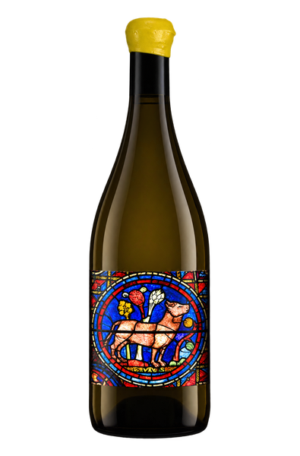
Domaine de l’Écu 2018 Taurus
French White
$84.99
Melon de Bourgogne comes from sixty-year-old vines in a seventy-are parcel on granite and orthogneiss. Harvesting is manual. Pneumatic pressing without settling and indigenous-yeast fermentation are used. Maturation includes twelve months on lees in an underground tank and twelve months on fine lees in older Burgundy oak. Citrus, lemon, grapefruit, white flowers, dried fruit, almond and toast are present.
Poplar Grove 2016 The Legacy
Canadian Red
$99.99
Cabernet Franc leads the blend at thirty-three percent, joined by twenty-five percent Malbec, fifteen percent Merlot, fourteen percent Cabernet Sauvignon and thirteen percent Petit Verdot. Savoury cedar, lead pencil and red fruit accompany fresh red cherry, dried herbs and dense, sweet tannins. Estate-grown grapes were hand-picked and sorted. Production included extended maceration, twenty-one months in French barriques and two years in bottle.
Burrowing Owl 2013 Malbec
Canadian Red
$99.99
Deep purple-ruby colour accompanies Bing cherry, Damson plum, blackberry, vanilla, liquorice and cocoa. The wine is medium to full in body, with silky texture and ripe, round tannins. Sweet black cherry, baked plum, pepper and wet earth are also present. Grapes were hand-harvested from the Eva Vineyard, and maturation lasted twenty-one months in mixed oak barrels.
Black Hills 2006 Nota Bene
Canadian Red
$99.99
Cabernet Sauvignon makes up forty-seven percent of the blend, with thirty-seven percent Merlot and sixteen percent Cabernet Franc. Tobacco leaf, green olive, sage, tomato leaf and menthol sit beside coffee, pepper, cassis and saddle leather. The palate is round, dry and moderately smooth, with light tannins. Smoky, meaty and savoury notes are also present. Alcohol is fourteen-point-seven percent.
Black Hills 2001 Nota Bene
Canadian Red
$99.99
Cabernet Sauvignon accounts for forty-six percent of the blend, with thirty-five percent Merlot and nineteen percent Cabernet Franc. Dry cedar, peppery leather, green bean and bell pepper sit beside mint, tobacco and smoky vanilla. The wine has ample extract and fourteen percent alcohol. Production totalled 1,800 cases. Root vegetable, smoky liquorice and peppery olive are also present.
Black Hills 2002 Nota Bene
Canadian Red
$99.99
Cabernet Sauvignon accounts for forty-eight percent of the blend, with thirty-seven percent Merlot and fifteen percent Cabernet Franc. Black pepper, roasted bell pepper, roots, leaves and saddle leather sit beside smoky vanilla, green bean, olive, cassis, black cherry, stewed tomato and resin. The entry is rich and smooth, with ripe tannins. Alcohol is fourteen-point-five percent.