










2005
M. Chapoutier 2005 Banyuls Vin Doux Naturel
Dried fig, raisin and blackberry lead a generous fortified profile, joined by raspberry, cherry, mint, black pepper and a light truffle note. Sweetness is balanced by fresh acidity and soft tannins, keeping the palate lively rather than heavy. Silky and refined through the finish, it suits fruit desserts or firm cheese, while a slight chill brings extra definition.
Moncontour 2005 Nectar de Moncontour Vouvray
Layered tropical fruit moves through yellow plum, peach and apricot, with dried fig, quince and honey adding deeper concentration. The palate is soft and round yet held by fine tension, bringing candied fruit, fresh almond and gentle spice into focus. A long, waxy finish carries sweetness with clarity. Serve with blue cheese, fruit tart or almond cake.
Costers del Siurana 2005 Miserere Priorat 750 mL
Blackberry, black plum and preserved dark fruit lead into warm spice, leather and a measured tobacco note. The palate is full-bodied and mature, with concentrated fruit held by rounded, ripe tannins rather than hard edges. Savoury oak and earthy detail add depth as the wine opens, while a steady mineral line keeps the richness composed. The finish is long, dry and gently spiced.
Château Haut-Bergey 2005 Pessac-Léognan Red Blend 750 mL
Blackberry and currant open with cedar, leather, forest floor and a measured touch of cinnamon and clove. Medium-full and focused, the palate carries ripe red and black fruit over chalky, fine-grained tannins and lively acidity. Tobacco, liquorice and smoky earth add savoury depth without weighing it down. Mature yet still composed, it finishes long and mineral, with dried cherry, orange peel and gentle spice.
Duckhorn 2005 Merlot Napa
Blackcurrant and ripe cherry lead a full, richly layered palate, joined by dark chocolate, violet and liquorice. Smoky oak adds depth without obscuring the fruit, while dense, intricate tannins provide definition and length. Generous yet composed, it finishes with lingering dark berry and cocoa tones. Pair with lamb, roast beef or mushroom dishes.
Ciacci Piccolomini d’Aragona 2005 Brunello di Montalcino Limited Edition Sponsorship Label Giro d’Italia 2010 750 mL
Wild berries, cassis and white cherry lead the fruit profile, accompanied by spice and smoke. The nose is vertical and intense, while the palate is toned down in dimension. Sangiovese provides the varietal basis and Tuscany the regional context. Berry fruit, spice and smoke remain the focus, with an intense aromatic profile followed by a smaller-scaled palate.
Cakebread 2005 Cabernet Sauvignon Napa
Forest berries and dried herbs open with an earthy, lightly smoky edge. The palate is firmly structured, carrying blackcurrant and crushed blackberry beneath measured oak and fine-grained tannins. Savoury detail keeps the dark fruit composed through the persistent finish. Decant before serving with roast beef, lamb or aged hard cheese.
Duckhorn 2005 Cabernet Sauvignon Napa
Blackberry, cassis and blueberry liqueur shape a fragrant, deeply fruited nose. The palate expands through black cherry and dark plum, with firm tannins and clear acidity giving the fruit definition. Vanilla and tobacco emerge on the powerful, structured finish. Decant before serving with roast beef, grilled lamb or aged cheddar.
Boudreaux Cellars 2005 Cabernet Sauvignon Washington
Dark, concentrated and dense, with a slightly reserved nose that opens toward blackberry liqueur and savoury herbs. The palate is full-bodied and lush, carrying substantial fruit through a compact, structured frame. Its weight is balanced by herbal lift, leaving a focused, warming finish with lingering dark-fruit depth.
Two Hands 2005 Ares Shiraz 750 mL
Ripe plum, blueberry and blackcurrant lead with raspberry and blackberry, followed by coffee, dark chocolate, smoke and liquorice. The palate is dense and full-bodied, yet unusually precise, with concentrated fruit carried by a refined texture. Cedar, vanilla and a savoury earthy note add depth without obscuring the fruit. The finish is long and layered, lingering on dark berries, chocolate, smoke and fine spice.
Torbreck 2005 The Pict Mataro
Forest floor and black truffle meet blueberry and blackberry liqueur on a deep, complex nose. The palate is full-bodied and layered, with concentrated dark fruit carried by firm structure and a compact, savoury frame. Mature yet still powerful, it benefits from decanting and suits slow-roasted lamb, braised beef, venison, grilled mushrooms or aged hard cheese.
Revana 2005 Cabernet Sauvignon Napa Valley
Ripe black raspberry leads a supple, concentrated palate, deepening into coffee, anise, spice and smoke. Subtle herbs and an iron-like mineral note bring savoury definition to the powerful fruit. Vertically structured yet polished, it carries dark berry and roasted tones through a long, composed finish. Decant and serve with grilled beef or lamb.
Caymus 2005 Special Selection Cabernet Sauvignon Napa
Black cherry and blackberry lead a generous, fruit-forward profile, with vanilla, seasoned oak and earthy notes adding depth. Creamy in both flavour and texture, the palate is broad and smooth without losing its savoury outline. Dark fruit and gentle spice carry evenly through the long, polished finish. Serve with grilled steak or braised short ribs.
Chateau Leoville Barton 2005 Saint-Julien
Blackberry, cassis and kirsch lead a deep, structured profile, joined by candied violet, wood smoke and cardamom. The palate is full and concentrated, with grainy tannins and fresh acidity framing the dark fruit. Cedar, graphite and leather bring classic savoury depth. The finish is long and persistent, returning to blackcurrant, spice and polished mineral tension rather than overt sweetness.
Chateau Trotte Vieille 2005 Saint-Emilion Grand Cru
Black cherry, plum and blackcurrant lead a complex, mineral profile, joined by liquorice, earth and truffle. The palate is medium to full in body, with fine tannins and fresh acidity keeping the fruit precise. Cedar, tea leaf and a measured chocolate note add savoury depth. The finish is long and layered, returning to plum, herbs and limestone-like mineral tension.
Château Haut-Bailly 2005 Pessac-Léognan 750 mL
Mature and composed, with blackcurrant, blackberry and dark plum framed by graphite, tobacco and worn leather. The palate is generous without becoming heavy, its ripe fruit held in place by fine, persistent tannins and a savoury mineral line. Cedar and earth emerge with air, while measured acidity keeps the texture fresh. The finish is long and quietly complex, carrying dark fruit, pencil lead and gentle spice.
Ornellaia 2005 Bolgheri Superiore 750 mL
Red and black berries lead an elegant, complex bouquet, with tobacco, spice and a light balsamic note developing behind the fruit. The palate is full and enveloping, framed by densely woven tannins that feel ripe, soft and polished. Dark cherry, blueberry and crushed stone add definition, while fresh acidity keeps the concentration measured. The finish is long, fruity and quietly savoury.
Joseph Phelps Insignia 2005 Napa Valley
Deeply coloured, concentrated and layered, with black cherry, cassis, blackberry and currant lifted by dried violet, rose, anise, graphite, cedar and roasted herb. The palate is classically structured, combining vibrant fruit with fresh acidity, polished tannins and a mineral edge. Rich yet balanced, it finishes persistent and mouth-coating; allow generous air and serve with grilled beef or lamb.
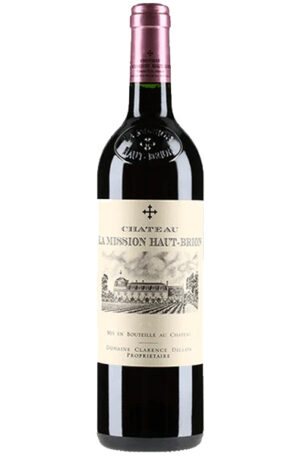
Château La Mission Haut-Brion 2005 Pessac-Léognan
Sweet blackberry, cassis and spring flowers open over crushed rock and earthy mineral notes. Full-bodied and richly layered, the palate combines warm dark fruit with velvety yet firm tannins and an energetic backbone. Tobacco, cedar and savoury spice add depth before the exceptionally long, textured and precise finish.
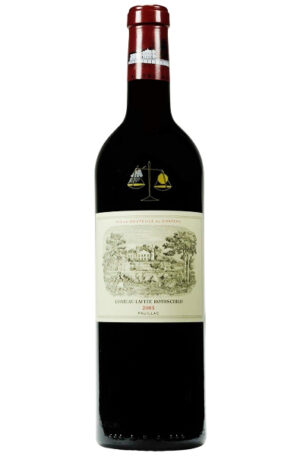
Château Lafite Rothschild 2005 Pauillac
Youthful and classically structured, with pure red fruit, cassis and flowers layered with lead pencil, cigar box, thyme and a saline mineral note. The palate is full-bodied, bright and firm, combining chewy tannins with impressive freshness and length. Best held for further development; if opened now, give it four to six hours in a decanter and serve with roast beef or lamb.