










Casas del Bosque
Casas del Bosque
AboutCasas del Bosque
The Cuneo Solari family founded Casas del Bosque in 1993 at Las Dichas, in Chile’s Casablanca Valley. Its western valley setting lies close to the Pacific, where fog, ocean breezes and cool nights give the grapes a long growing season. The winery stands among the vineyards, with facilities for every stage of winemaking on the estate.
Casa Viva 2022 Pinot Noir
Chilean Red
$21.99
Red cherry, strawberry and soft plum lead this fresh, medium-bodied Pinot Noir, with orange peel, violet, cinnamon and a quiet earthy note adding detail. Bright acidity gives the fruit lift, while supple tannins carry the palate into a balanced, gently spiced finish. Serve at cool room temperature with roast chicken, mushroom dishes, grilled salmon or mild, creamy cheeses.
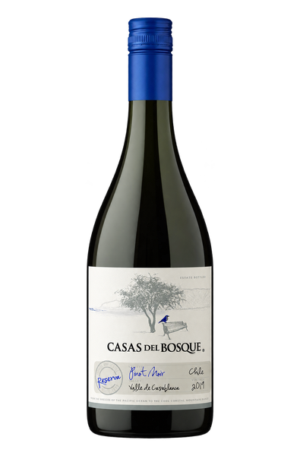
Casas del Bosque 2019 Reserva Pinot Noir
Chilean Red
$26.99
Cherries, strawberries and hay shape the aroma. The palate is light, fresh and balanced, with gentle acidity and a clean, fruity finish. Fruit comes from ungrafted Pinot Noir vines in Chile’s western Casablanca Valley, planted in sandy-loam and clay-loam soils. The wine contains 13.1 percent alcohol and is vegan, sustainable, organic and biodynamic. Serving options include charcuterie, cold meats or grilled asparagus with goat cheese.
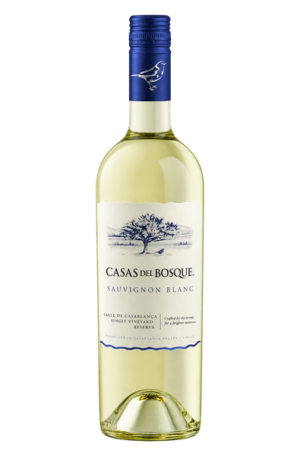
Casas del Bosque 2022 Reserva Sauvignon Blanc
Chilean White
$27.99
Passion fruit, grapefruit, currant and cassis are joined by fig, apple blossom, pineapple, melon and citrus. The palate carries pronounced yet agreeable acidity, good length and a clean, precise finish. The fruit comes from Las Dichas in the western Casablanca Valley. After a short press maceration, free-run juice ferments at controlled temperature, then rests on its lees for several weeks before blending.
Casas del Bosque 2019 Reserva Carménère
Chilean Red
$29.99
Black cherry, plum, dry leaves, green bell pepper, chocolate and spice meet a soft, plump palate with supple tannins and good length. The fruit grows in Rapel Valley, largely around Almahue in Peumo, on well-drained loamy alluvial soils. Half the wine completed malolactic fermentation in barrel and aged there for about six months; the rest completed malolactic fermentation in tank.