












Can Leandro
Can Leandro
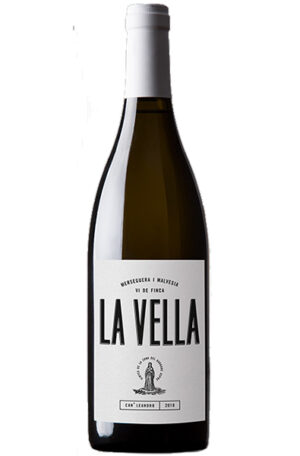
Can Leandro 2023 La Vella
Spanish White
Ripe peach fruit and immediate freshness lead the way, with a gently wild edge that gives the wine personality without heaviness. The palate is light on its feet, softly textured and easy to follow, finishing clean rather than sweet. A lively, food-friendly white for vegetable dishes, simple seafood, rice dishes or relaxed aperitif service.
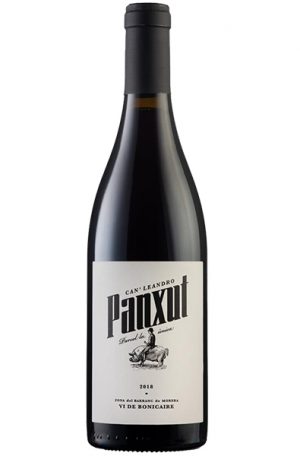
Can Leandro 2020 Panxut
Spanish Red
Fragrant strawberry, red currant and orange zest lead a bright, juicy palate, with wild blackberry, dried herbs and pepper adding savoury depth. Fresh acidity and soft, gently chewy tannins keep the rare local variety lively and composed. The finish is crunchy, lightly spiced and mouthwatering. Serve with charcuterie, grilled pork, roast peppers or lentils.
Can Leandro 2024 Les Finques Valencia
Spanish Red
Monastrell forms sixty percent of the blend, joined by thirty percent Garnacha and ten percent Bonicaire and Merseguera. The grapes come from dry-farmed vineyards across several holdings around Ontinyent, with both shaded and sunny mountain exposures. The wine matures for four months in 225-litre French oak barrels and contains thirteen and a half percent alcohol. It is classified as a red wine under DO Valencia.
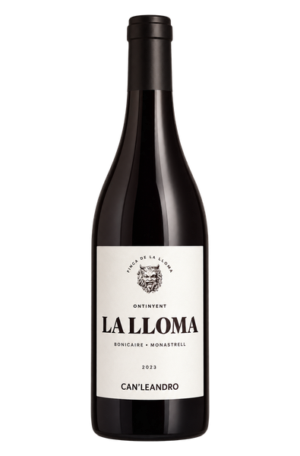
Can Leandro 2023 La Lloma
Spanish Red
Monastrell and Bonicaire come from vines between fifty and seventy years old. Bonicaire is partly fermented with stems in clay amphora, while Monastrell goes into five-hundred-litre oak. Maturation lasts about six months. Red fruit, fruit compote, floral and balsamic notes accompany a light profile with a long, fruity finish; black fruit, sweet spice and a mineral note are also present.
Can’ Leandro 2023 L’Arenal
Spanish Red
Violet, ripe black fruit, smoky spice and savoury notes appear alongside dark plum, blueberry, cedar and liquorice. Bright acidity accompanies well-integrated oak, structure and weight. The single-plot wine is made entirely from Monastrell grown on sandy silt over a limestone crust at 550 metres. Forty percent of the stems are retained during a thirty-five-day fermentation and maceration in oak casks, followed by eight months in French oak.