











Bordeaux
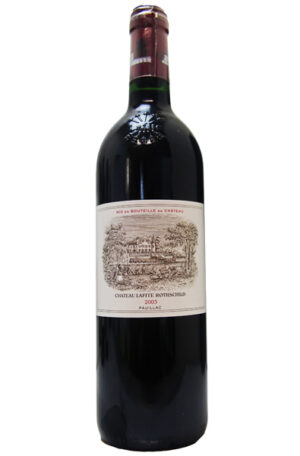
Château Lafite Rothschild 2003 Pauillac
Generous and expressive, with ripe red berries, cassis and roasted dark fruit layered with cedar, herbs, tobacco leaf, truffle and spice. The palate is full and concentrated, combining silky polish with opulent richness and a long, harmonious finish. Bottle variation is possible, so stand upright and decant carefully, tasting as it opens. Excellent with roast beef or game.
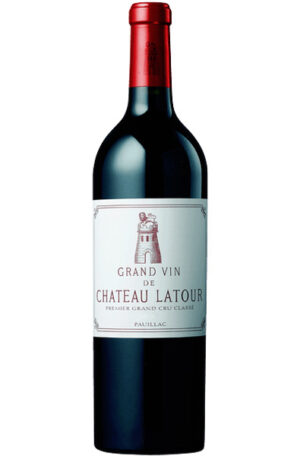
Château Latour 1990 Pauillac
Open and expressive for a mature first growth, with red currant, cassis and black cherry joined by liquorice, tobacco, leather and cedar. The full-bodied palate is lush and concentrated, its ripe tannins carrying savoury earth, herbs, espresso and kirsch through a powerful, spicy finish. Decant for about two hours and serve at cellar temperature with lamb, beef or game.
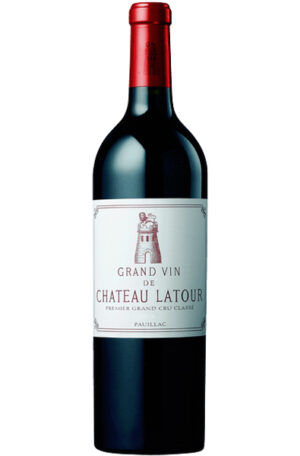
Château Latour 2005 Pauillac
Black currant and black olive anchor a deep, brooding bouquet, layered with cedar, walnut, graphite, bitumen and savoury spice. The palate is muscular and intensely concentrated, its grainy tannins and cedary oak carrying through a firm, mineral and chocolate-toned finish. Still youthful, it rewards patience; if opened now, decant for about three hours and serve with roast leg of lamb.
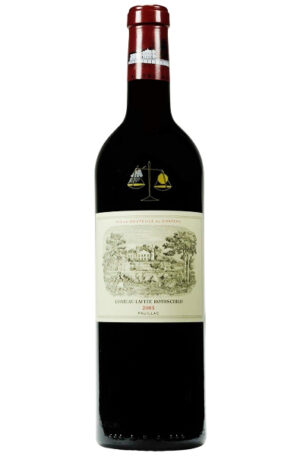
Château Lafite Rothschild 2005 Pauillac
Youthful and classically structured, with pure red fruit, cassis and flowers layered with lead pencil, cigar box, thyme and a saline mineral note. The palate is full-bodied, bright and firm, combining chewy tannins with impressive freshness and length. Best held for further development; if opened now, give it four to six hours in a decanter and serve with roast beef or lamb.
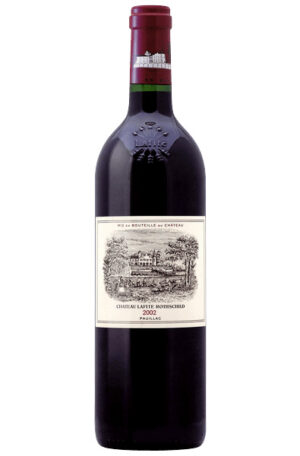
Château Lafite Rothschild 2002 Pauillac
Bright and classically shaped, with vibrant red berries, cherry and cranberry layered with mint, herbs, tobacco and cedar. The palate is crisp and energetic, balancing sweet and tart fruit with olive, citrus and a firm old-school structure. A two-hour decant brings out cassis, blackberry, cigar box and forest-floor complexity. Serve with roast lamb, veal or grilled mushrooms.
Château Lafite Rothschild 1998 Pauillac
Deep garnet with a faint brick edge, showing cassis and dark berry layered with sandalwood, cedar, tobacco and subtle mineral spice. The palate is concentrated yet remarkably poised, with polished fruit, fine-grained tannins and fresh acidity carried through a long, savoury finish. Give it generous air before serving with roast lamb, beef or earthy mushroom dishes.
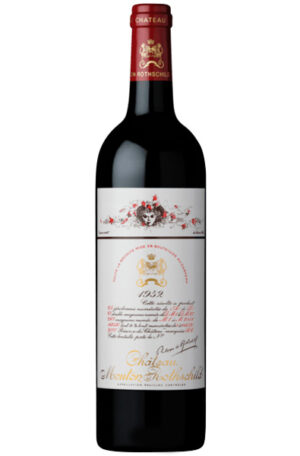
Château Mouton Rothschild 1952 Pauillac
Fully mature and richly textured, with blackberry, liquorice and leather carried by a broad, refined and complex bouquet. The palate is round and warming, balancing sweet fruit with drying tannins and a substantial, gently rounded finish. Bottle condition is essential at this age; stand upright, decant carefully for about ninety minutes and serve with lamb or slow-cooked beef.
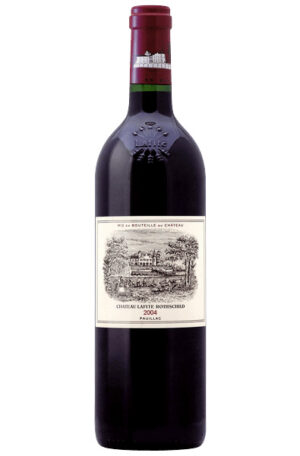
Château Lafite Rothschild 2004 Pauillac
Mint, cedar, tobacco and herbs lead a bright, savoury profile, with red berry, cassis and black fruit underneath. Medium-bodied and refined, the palate shows silky polish, lead-pencil detail and a salty mineral edge, finishing firm and slightly dry in a traditional style. Decant for one to two hours and serve slightly cool with roast chicken, lamb or lentils.
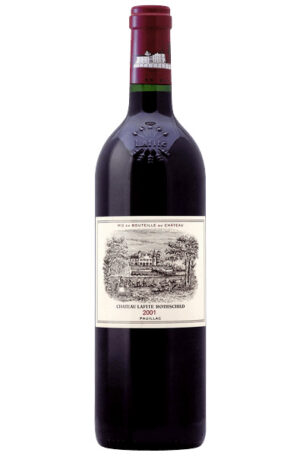
Château Lafite Rothschild 2001 Pauillac
Cassis, blackberry and red fruit sit at the centre of an increasingly mature bouquet, framed by cedar chest, tobacco, stone and forest floor. Supple and medium-bodied, the palate is polished and fresh, with refined tannins and a silky, composed texture. Decant for about two hours to encourage the secondary notes, then serve with roast veal, duck or mushroom dishes.
Chateau Lafite Rothschild 2004 Pauillac
Refined and aromatic, with blackberry, graphite and cedar unfolding over dark currant fruit. The palate is medium-bodied and precise, shaped by silky tannins and fresh, well-judged acidity. Tobacco and subtle earth emerge with air, while the fruit remains clear and composed rather than heavy. The finish is long, polished and quietly persistent, carrying cassis, cedar and mineral detail. An elegant mature Pauillac with depth held firmly in reserve.
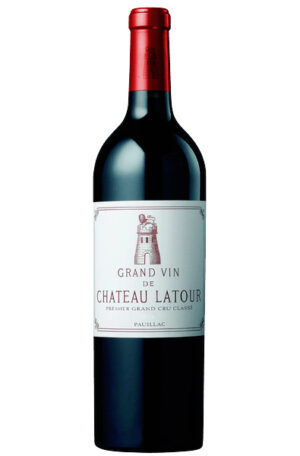
Château Latour 2000 Pauillac
Blackberry, currant and raspberry drive an intense bouquet, with cedar, cigar box, mint, vanilla, smoke and spice unfolding behind. The palate is full-bodied, dense and deeply concentrated, yet balanced by freshness and fine, abundant tannins. The finish is exceptionally long and layered. Allow three to four hours in a decanter and serve with truffled dishes, roast beef or game.
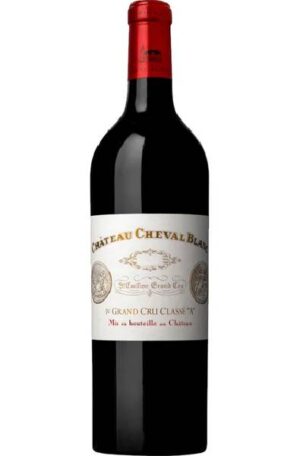
Cheval Blanc 2018
Deeply coloured and remarkably composed, with black cherry, blackberry and stewed plum lifted by violet, raspberry, mint and rose. Earthy notes of truffle, cocoa and damp soil add depth. The palate is dense yet fresh, framed by firm, fine-grained tannins and a long, mineral finish that feels precise rather than heavy.
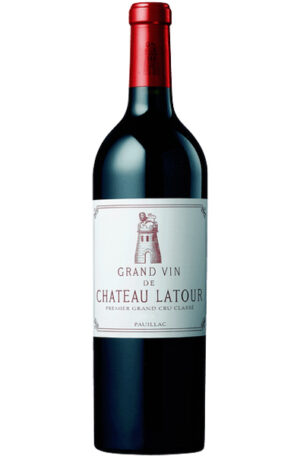
Château Latour 1998 Pauillac
Black currant and morello cherry sit beneath tobacco, black tea, earth, smoke and a gamey savoury note. Medium-bodied and tightly structured, the palate combines fresh acidity with substantial tannins, finishing elegant, long and spicy. Give it about two hours in a decanter to soften the frame, then serve with roasted meat, duck or lentils with mushrooms.
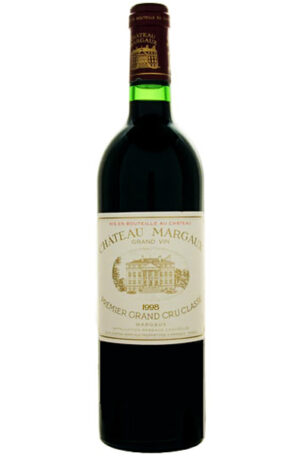
Margaux 1998 Margaux
Mature garnet with a fine amber rim, offering blackcurrant, dried plum and fig alongside mint, cedar and an earthy gunflint note. The palate is elegant and layered, combining graceful bottle-aged complexity with polished tannins, fresh acidity and a restrained core of dark fruit. Long and composed on the finish, it opens beautifully with a thoughtful decant.
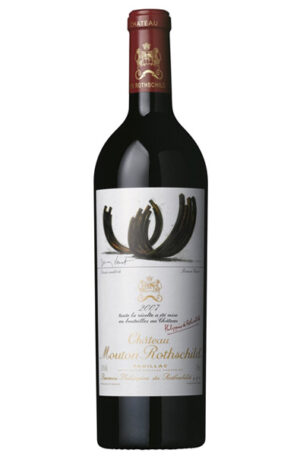
Château Mouton Rothschild 2007 Pauillac Magnum
Smooth and classically shaped, with blackcurrant, black cherry and ripe dark fruit joined by coffee, cedar, tobacco, cigar box, herbs, mineral and a faint floral lift. Medium-bodied, the palate combines fresh forest notes with ripe tannins, polished structure and excellent balance. It is generous up front, then finishes long, savoury and composed; serve with roast lamb or beef.
Chateau Latour 1989 Pauillac
Evolved dark ruby with amber at the rim, offering ripe black cherry, currant, caramel, coffee, cedar and spice. The palate is medium-bodied, cohesive and smooth, with black fruit, gravel, graphite and pencil-box detail. Gentle grip and satisfying depth carry the savoury fruit into a composed, quietly persistent finish.
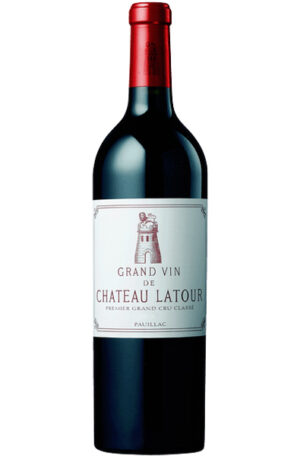
Château Latour 1995 Pauillac
Black currant, blackberry and black olive lead a mature, generous bouquet, with liquorice, pepper, smoke and cigar box adding depth. Full-bodied yet refined, the palate is concentrated and savoury, balancing fresh acidity with supple tannins and a long mineral finish. A three-hour decant suits its sturdy structure. Serve with saddle of lamb, roast beef or braised short ribs.
Château Haut-Brion 1995 Pessac-Leognan
Deep and refined, with blackcurrant, plum and blackberry joined by graphite, cedar, tobacco leaf, leather, earth and subtle smoke. The palate is full-bodied yet elegant, combining ripe dark fruit with polished, still-present tannins, bright acidity and mineral precision. A long, savoury finish rewards about three hours in a decanter; serve with roast lamb, veal or game birds.
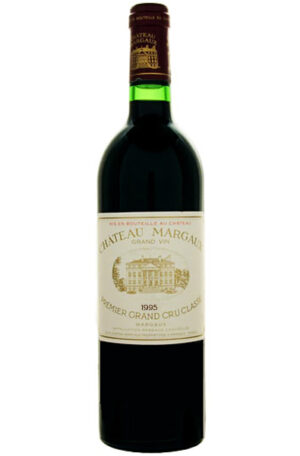
Château Margaux 1995 Margaux
Restrained and sophisticated, with blackcurrant and black olive framed by roasted coffee, cedar, toast and a mineral lift. The medium-bodied palate shows real density without heaviness, combining concentrated ripe fruit with aristocratic acidity, firm tannins and finely integrated oak. Long, dry and precise on the finish, it rewards a two-hour decant and pairs beautifully with roast lamb.
Château Haut-Brion 1990 Pessac-Leognan
Opulent and mature, with ripe blackcurrant, mulberry and red currant layered with cedar, fine leather, tobacco, mushroom, chocolate and warm spice. The full-bodied palate is round and concentrated, balancing sweet fruit with fresh acidity, mature silky tannins and excellent depth. A long, pure finish follows; decant for about two hours and serve with beef tenderloin or roast lamb.